
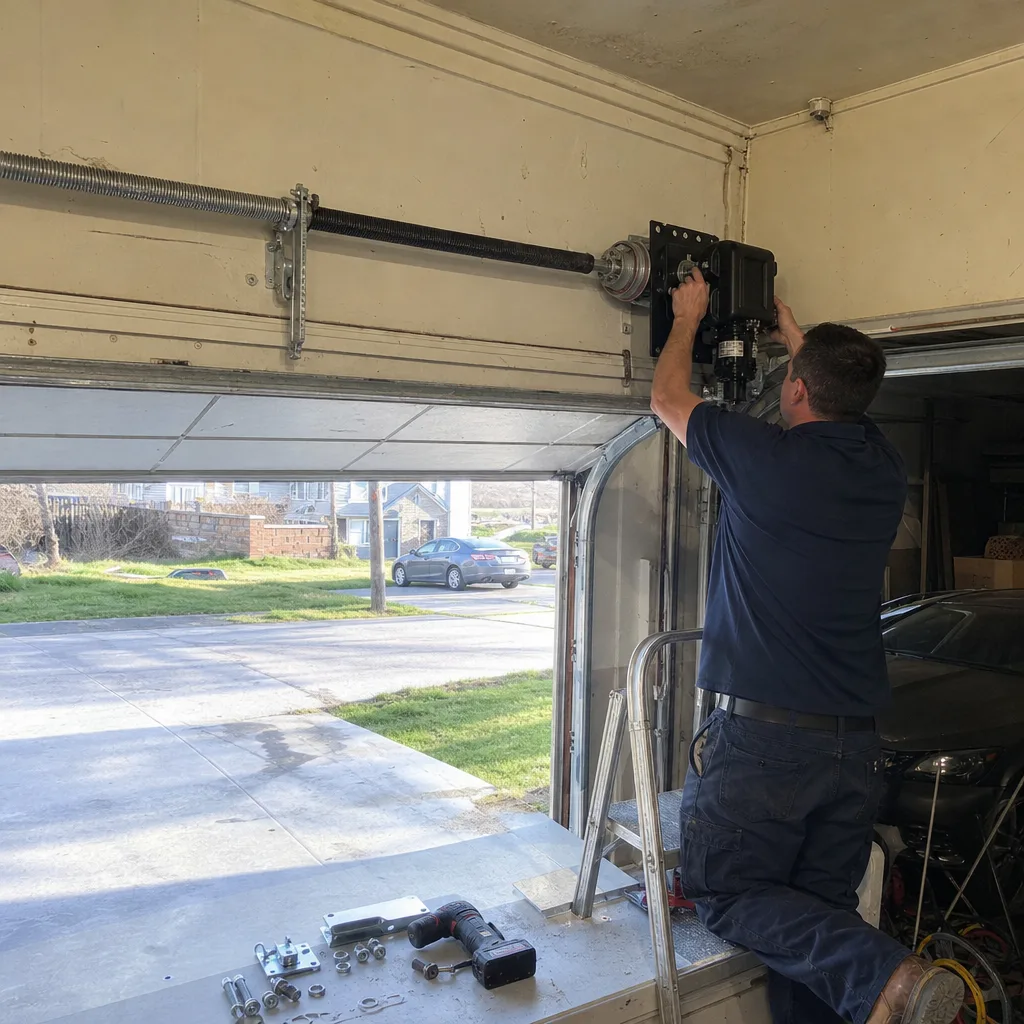
Last updated November 23, 2026
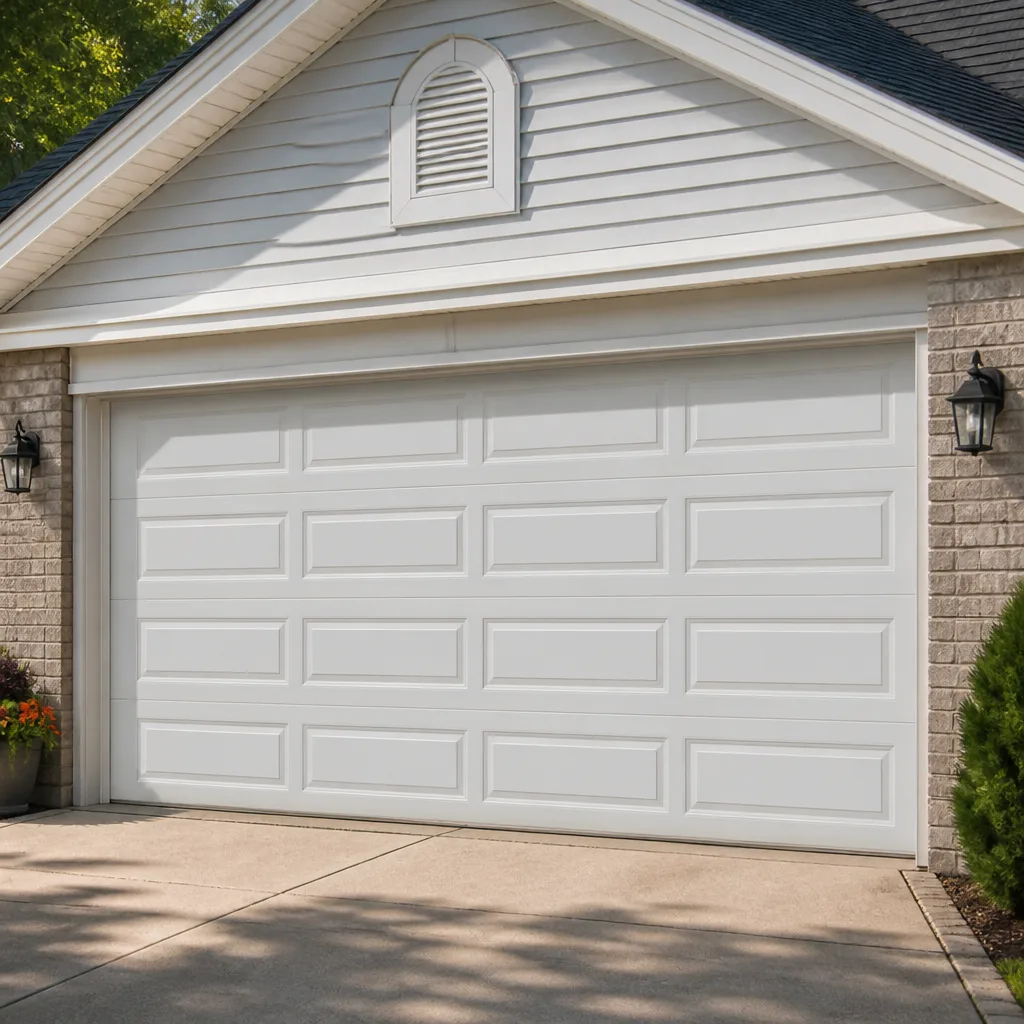 Raised-panel steel
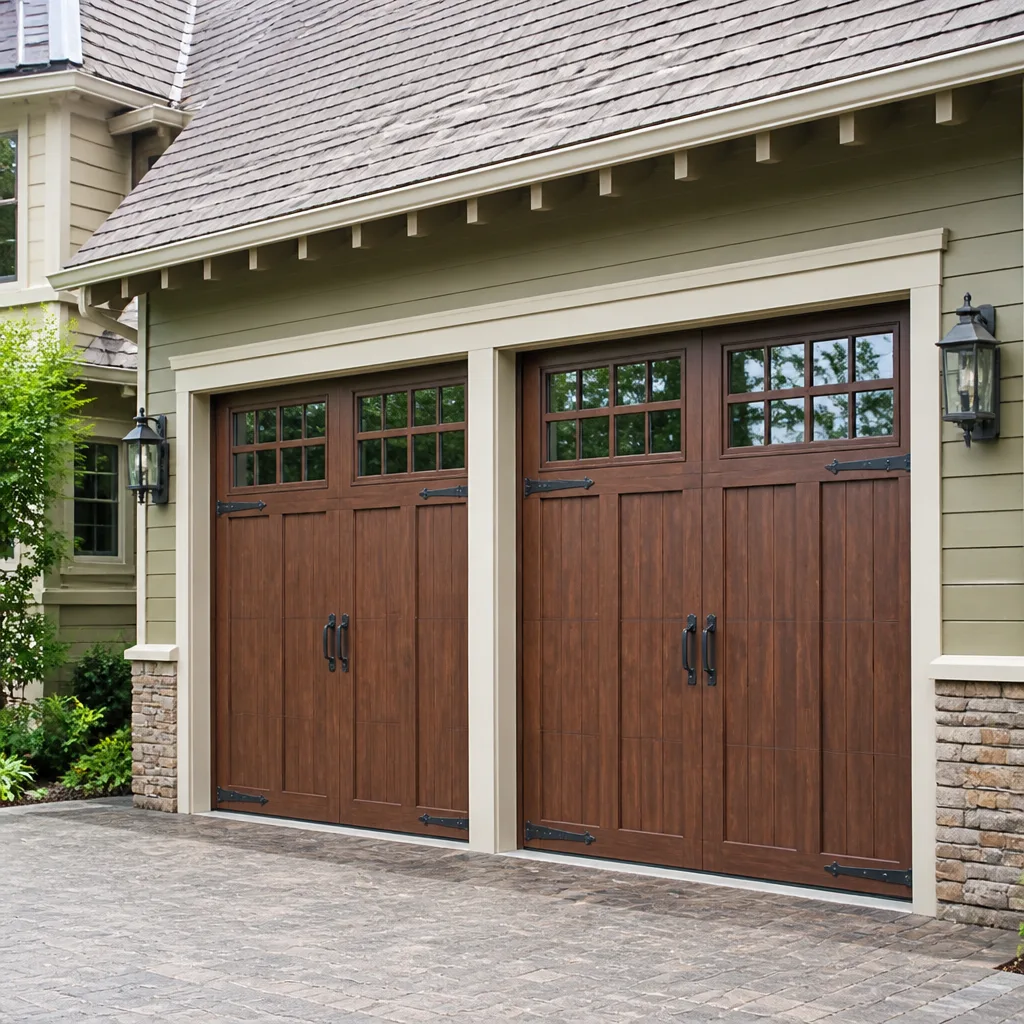 Carriage house
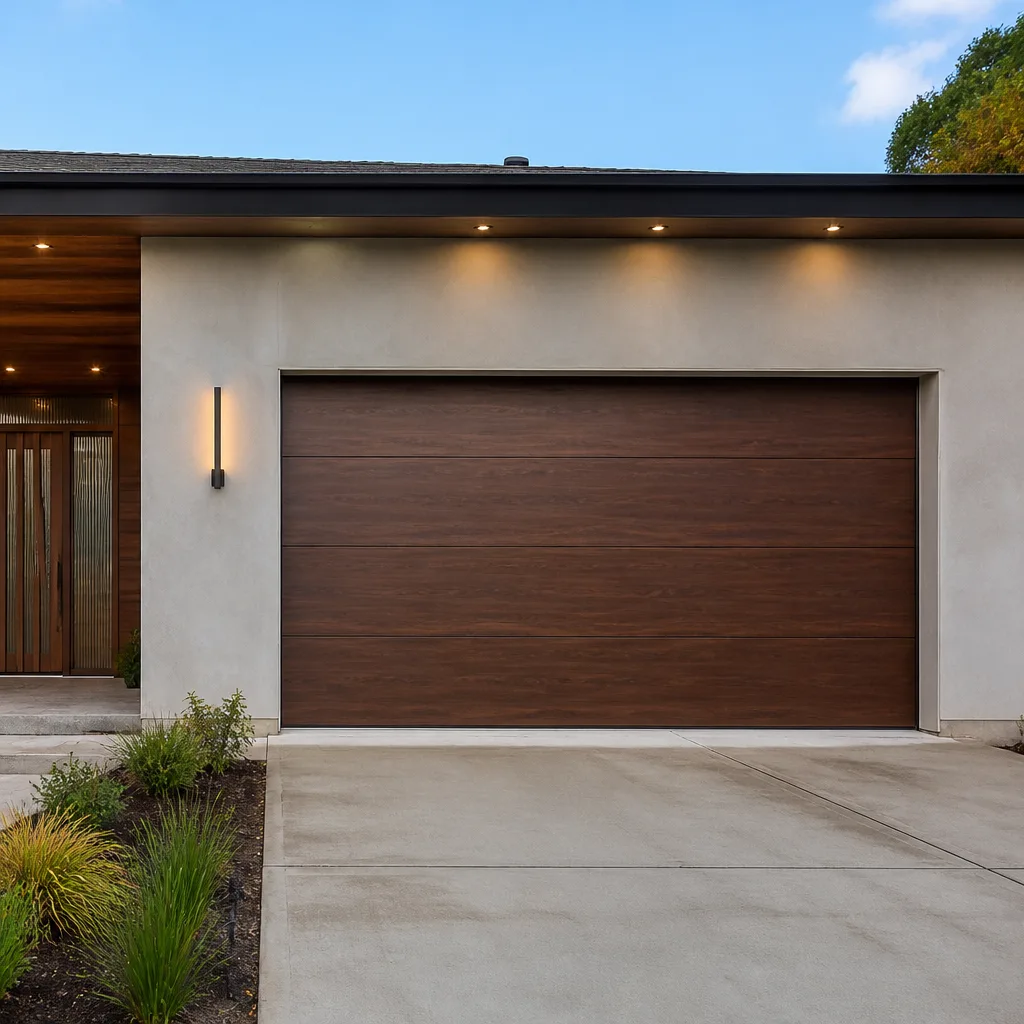 Modern flush
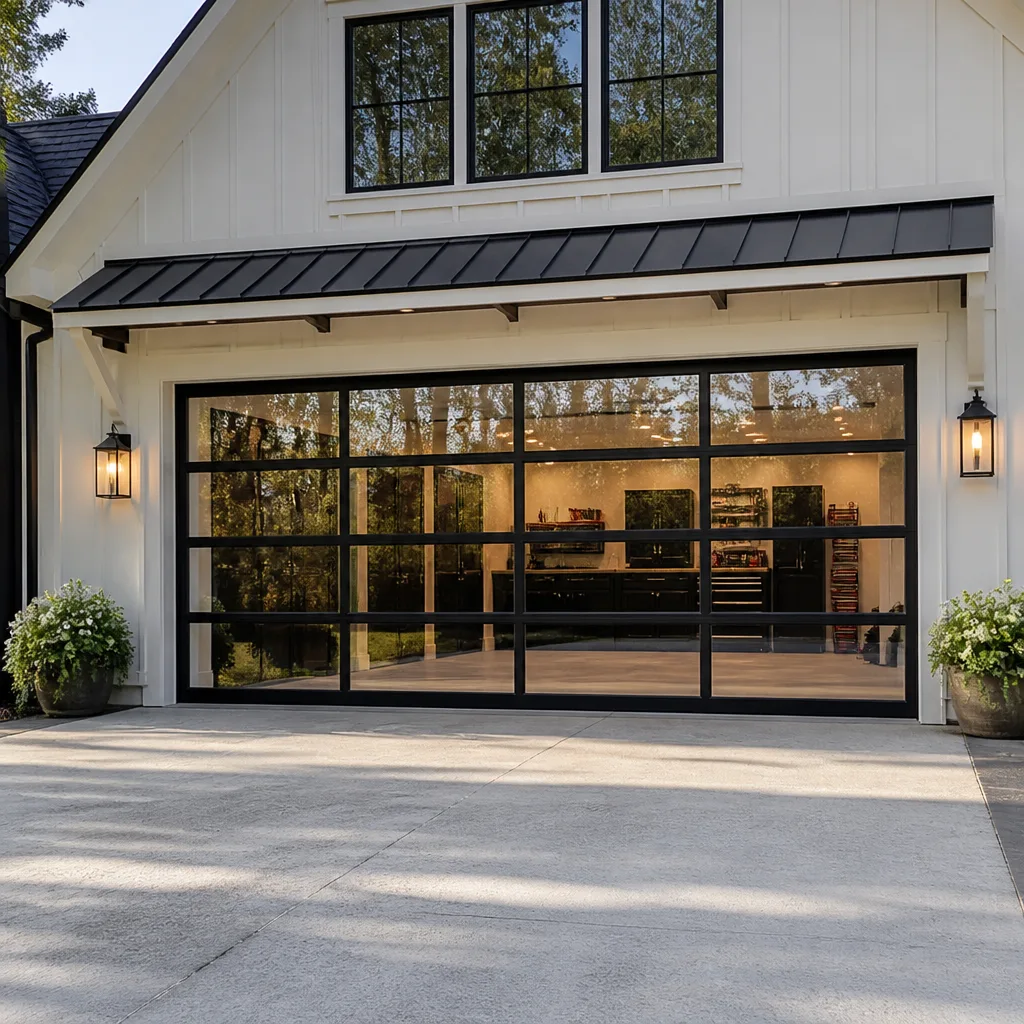 Full-view glass
 LiftMaster openers
 Chamberlain openers
Full 25-point door and opener safety check with every visit - springs, cables, rollers, tracks, and your LiftMaster or Chamberlain opener included
You get a price before we start. It does not change when the pro arrives.
Get your free estimateGarage Door Repair Maintenance Checklist for Morgantown Homeowners
Most “maintenance checklists” tell you to lubricate your springs. Almost none tell you that using the wrong lubricant, including WD-40, speeds up wear instead of preventing it. That single omission is why so many garage doors in Morgantown start squealing, then sticking, then failing months earlier than they should. A checklist is only useful if it tells you what a good result looks like and what a bad one looks like, side by side. This guide pairs every inspection step with a clear pass/fail standard, gives realistic time estimates, names the right product for each component, and flags which tasks are genuinely safe to do yourself versus which ones are on the list only so you know when to call a technician.
Quick Answer
A garage door maintenance checklist for Morgantown homeowners covers four things: quarterly lubrication and visual checks (about 20 minutes), a balance and force test (about 10 minutes), an annual full inspection of springs, cables, rollers and hardware (about 45 minutes), and knowing which findings mean stop and call a professional. Lubrication, tightening exposed bolts, and testing the safety reverse are safe for most homeowners. Spring and cable work is never a DIY job.
Styles & brands we work with
- Raised-panel steel
- Carriage house
- Modern flush
- Full-view glass
- LiftMaster openers
- Chamberlain openers
Table of Contents
- Why Morgantown Doors Wear Differently
- The 20-Minute Quarterly Checklist
- The Right Lubricant for Each Part (and What Not to Use)
- How to Run a Balance Test and Force Test at Home
- Visual Wear Indicators You Can See Without Removing Hardware
- The Full Annual Inspection: A Realistic Time Budget
- Which Tasks Are DIY-Safe and Which Are Call-a-Technician
- Opener and Smart-Home Maintenance
Why Morgantown Doors Wear Differently
Garage doors in Morgantown run through real seasonal swings. Summers bring humid air off the river valleys, and winters bring hard freezes and repeated thaw cycles. That combination works on a door in two ways at once. Metal contracts in the cold and expands in the heat, which loosens fasteners over time and puts extra stress on the joints where panels meet. Humidity gets into hinges, rollers and tracks, and any bare metal starts to corrode faster than it would in a drier climate.
The hillside neighborhoods around Morgantown add their own wrinkle. On sloped driveways and graded lots, a door can sit slightly out of level even when the hardware is healthy, and the opener has to work a little harder on every cycle. That’s not a defect, it’s the site. But it does mean the balance test matters more here than it might on a flat lot in a milder region.
Cold weather also changes how lubricants behave. A product that feels slick in July can turn tacky or nearly solid at 20 degrees, which drags on the opener and the springs. Choosing the right lubricant for the season is the single highest-value habit in this whole guide. Our technicians have up to 15 years of experience with the freeze-thaw cycle that shapes how doors age here, and the pattern is consistent: doors that get the right lubricant at the right interval last noticeably longer between repairs.
The 20-Minute Quarterly Checklist
This is the routine you can do four times a year in about the time it takes to brew and drink a coffee. Set a reminder for the start of each season, since the seasonal shift is exactly when problems surface. Do it in daylight with the door closed and the opener unplugged.
- Look at the door from outside, straight on. Pass: panels sit level and even, with no visible gaps at the seams. Fail: a panel that looks tilted, cracked, or separated from its neighbor.
- Check the weather seal along the bottom. Pass: the rubber or vinyl seal touches the floor along its full length when closed. Fail: daylight visible under the door, or a seal that is cracked, torn, or flattened hard.
- Run a finger along the hinges and rollers. Pass: smooth and slightly slick. Fail: gritty, dry, or leaving rust residue on your finger.
- Listen to a full open-and-close cycle. Pass: steady motor hum with a soft roll. Fail: grinding, squealing, popping, or a door that shudders partway up.
- Test the safety reverse. Place a roll of paper towels flat under the closing door. Pass: the door reverses on contact. Fail: it keeps pressing down.
- Eyeball the springs above the door. Pass: straight, tight coils. Fail: a visible gap in a torsion spring, or an extension spring that looks stretched out of shape.
That’s it for the quarterly check. No tools beyond your eyes and hands, and nothing you can break by looking. Anything that fails on this list moves to the annual inspection or to a call. Write down what you find each quarter; a small log makes it obvious when something is trending worse rather than just acting up once.
The Right Lubricant for Each Part (and What Not to Use)
Here’s the part almost every checklist gets wrong. WD-40, the standard blue-and-yellow can most people reach for, is a solvent and light penetrating oil, not a lubricant. It cleans and displaces moisture, which feels like progress for a day or two, then evaporates and leaves your moving parts drier than before. Used repeatedly, it strips whatever real lubricant was left and accelerates wear. The same goes for general-purpose household oil on springs and tracks.
The right products depend on the component and the season:
- Torsion and extension springs: a purpose-made garage door spring lubricant or a silicone-based spray. Springs need a dry film that won’t hold grit. Avoid heavy grease, which collects dust and turns into an abrasive paste.
- Hinges and roller stems (not the roller wheels): white lithium grease works well in mild weather. In Morgantown’s colder months, a silicone spray holds up better because lithium grease can stiffen and drag when temperatures drop.
- Rollers: a couple of drops of silicone spray on the stem only. Never grease the wheels themselves, since lubricant on the wheel surface makes them slip and wear flat.
- Tracks: nothing. Tracks should stay dry and clean. Wipe them with a damp cloth, then dry them. Lubricant in the tracks attracts dirt and gums up the rollers.
- Opener rail and chain (if chain-driven): a light application of the manufacturer’s recommended lubricant. Belt-drive openers generally need none.
A quick tip for the cold: apply silicone spray in the fall before the first hard freeze, not after. Cold-weather complaints we hear most often in Morgantown, like a door that groans and moves sluggishly in January, are usually a lubrication problem rather than a failing opener. If you’re not sure what’s on your door, wipe the surface with a clean rag first so you’re not layering a new product on top of an old, wrong one. When a door still drags after a proper lubrication pass, the cause is usually mechanical rather than a product issue, and that’s when it’s worth having a technician look. That’s the case for garage door repair rather than more spray.
How to Run a Balance Test and Force Test at Home
These two tests are the heart of any good maintenance routine, and they’re the ones most homeowners skip. Both are safe, both take minutes, and both give you a clear pass/fail. The balance test tells you whether the springs are still doing their share of the lifting. The force test tells you whether the opener’s safety systems are working.
Balance test
- Unplug the opener so it can’t engage.
- Pull the manual release cord to disconnect the door from the opener.
- Lift the door by hand to about waist height, then let go.
- Pass: the door stays put, or drifts just slightly either way.
- Fail: the door slams down hard, or springs up on its own. Either one means the spring tension is wrong and needs a trained adjustment. Stop using the door until it’s corrected.
Force-resistance and safety reverse test
- Reconnect the door and plug the opener back in.
- Close the door with the wall control. Halfway down, grip the bottom edge lightly and pull up. Pass: the door reverses immediately. Fail: it continues down against your pull.
- Open the door partway and press the bottom edge. Pass: the door reverses to open. Fail: it keeps trying to close.
- Place a flat object about an inch and a half high under the closing door. Pass: the door reverses on contact.
A door that fails the balance test is a garage door spring repair question, not an opener question, no matter how much the opener seems to be struggling. A door that fails the force test is a safety problem, and it should not be operated until it’s fixed. If your opener’s behavior changed rather than the door’s, look at garage door opener repair instead.
Visual Wear Indicators You Can See Without Removing Hardware
You don’t need to take anything apart to spot the parts that are close to failing. These are the signs a trained eye looks for, and they’re all visible from the floor with the door closed or open. When any of these show up, it’s time for a professional to take a closer look, not more lubricant.
- Torsion springs: a clean gap in the coil, meaning the steel has snapped. A single spring may also show rust pitting or a visibly stretched, uneven wind.
- Extension springs: a spring that looks longer than its neighbor, or that hangs loosely with the door closed.
- Cables: frayed strands, a cable that looks slack, curled, or is sitting off its drum on one side. A cable is under extreme tension, so never touch it, just note it.
- Rollers: flat spots, cracks in the nylon, or a wheel that wobbles on its stem.
- Hinges: rust bleeding at the joint, or a hinge plate that has pulled slightly away from the panel.
- Panels: a hairline crack near a hinge, a dent that has deformed the seam, or a bottom panel that’s rusted through.
- Tracks: bends, dents, or a gap between the track and the wall bracket.
In Morgantown, the humidity makes corrosion the most common early warning sign. Rust doesn’t just look bad. It thins the metal at exactly the points under load, which is why a door that has lived through a few damp summers can fail at a hinge that looked fine a year earlier. Keep the paint on your door in good condition, touch up chips promptly, and keep the bottom panel and the area near the floor clean and dry. Clopay and Amarr doors are painted at the factory, and a small chip left to feed on humidity is where corrosion usually starts. For older models, Wayne Dalton and Craftsman doors respond the same way to a good paint touch-up routine.
The Full Annual Inspection: A Realistic Time Budget
Once a year, set aside an hour and go deeper than the quarterly routine. Here’s how the time actually breaks down, so you can plan around it rather than start and get interrupted. Have a screwdriver, a rag, a spray lubricant, and a flashlight ready before you start.
- Balance test and force test (10 minutes): run both, as described above, and record the results.
- Tighten visible hardware (10 minutes): check the bolts on the hinges, roller brackets and the track brackets. Snug them, don’t overtighten. Loose fasteners are the most common cause of rattle.
- Clean the tracks (10 minutes): wipe them down with a damp cloth, dry them, and check for bends.
- Lubricate the moving parts (15 minutes): springs, hinge pivots, roller stems and the opener rail, using the right product for each.
- Inspect the springs, cables and rollers (10 minutes): using the visual checklist above.
- Check the weather seal and bottom panel (5 minutes): look for cracks, splits or gaps.
That leaves a little slack, which is realistic. If the annual inspection turns up a fail on the balance test, a visible spring gap, or frayed cables, the job has moved past the checklist. Those are the parts under the heaviest tension, and they need someone trained to handle them. We can’t say it often enough around Morgantown: a checklist is there to catch a problem early, and the best outcome is knowing when to stop and pass it to a pro. Most problems found on the annual inspection are minor and simple to resolve. The ones that aren’t are exactly the ones this routine is designed to surface before they become a car stuck in the driveway.
Which Tasks Are DIY-Safe and Which Are Call-a-Technician
This is the distinction most checklists leave out entirely. Knowing which side of the line a task falls on is what separates a useful maintenance habit from a dangerous one. The good news is the safe list covers most of what you’ll do, and the pro list is short but absolute.
Genuinely DIY-safe
- Lubricating springs, hinges and roller stems with the correct product.
- Tightening exposed bolts on hinges and brackets.
- Cleaning the tracks and keeping them dry.
- Testing the safety reverse and force settings.
- Cleaning the photo-eye sensors and checking their alignment.
- Replacing the bottom weather seal.
- Testing the balance (lifting by hand with the opener disconnected) and observing the result.
Call-a-technician only
- Adjusting or replacing torsion springs. These are under extreme tension and can cause serious injury if handled incorrectly. Never attempt this yourself.
- Replacing cables or drums. Same risk, same rule.
- Straightening bent tracks. Very easy to make worse and to lose the door’s alignment.
- Adjusting spring tension after a failed balance test. The test is safe, the adjustment is not.
- Any repair that requires getting on a ladder to reach a moving component. Ladder height plus spring tension is a combination that belongs to trained people.
The safest rule: if it involves the springs or cables, or if it requires a ladder and tools beyond a screwdriver, stop. This is where a trained professional earns their place on the job, and it’s why spring work is a specialty of its own. Our technicians have up to 15 years of experience handling torsion and extension springs safely, and we work on the eight major brands found on most Morgantown homes, so you’re not waiting on a second visit for a part or a specific piece of training.
Opener and Smart-Home Maintenance
Your opener gets less attention than the door, but a few habits keep it working longer and keep the smart features useful. The opener’s job is to move a balanced door, not to force a heavy one. If the door is out of balance, the opener wears out faster and the safety settings drift. Fix the door first and the opener will thank you.
- Test the safety reverse monthly with the paper-towel roll test described above. This is the one test you shouldn’t wait a quarter to run.
- Clean the photo-eye sensors with a dry cloth. A smudge or a spider web on the lens is the most common reason a door refuses to close.
- Check that the wall button works reliably. A sticky button or a loose wire is easy to spot and easy to fix.
- Update smart features. If your opener has LiftMaster or Chamberlain myQ, or a Genie Wi-Fi model, check for firmware updates through the app. It’s the least glamorous maintenance on the list and the one that keeps app control and alerts reliable.
- Watch the light and sound. A flickering light, repeated clicking, or a motor that sounds strained are signals worth having checked before they turn into a failure.
If your opener is a Craftsman or Genie model that’s been in service for a long time, the maintenance habits above are even more worth following, since parts for older units go out of circulation. Our team works on both legacy brands and modern smart-enabled systems, so a door that’s been in the family a while is no harder for us to maintain than a newer one. What makes the difference is matching the service to what the opener actually is, not treating every motor the same way. When the opener is beyond routine maintenance, garage door opener repair or a full replacement is a conversation about the specific unit and how it’s used.
Common Mistakes to Avoid
- Spraying WD-40 on the springs and calling it lubricated. It’s a solvent, and it leaves the metal drier than it found it. Use a silicone-based or spring-specific lubricant instead.
- Greasing the tracks. Tracks should be clean and dry. Grease collects dirt and grit, and the rollers bind up faster, which is a particular problem in Morgantown’s humid summers.
- Ignoring a failed balance test. A door that slams down or springs up on its own is telling you the spring tension is wrong. Running it anyway wears out the opener and is unsafe.
- Forcing a door that’s stopped or is struggling. If the door won’t move or moves hard, stop and call. Forcing it can damage panels, bend tracks, or snap a weakened spring.
- Skipping the fall lubrication. In our climate, the cold-weather drag on a dry door is real. A silicone-based pass before the first hard freeze is the cheapest insurance against a January failure.
- Tightening bolts until they squeal. Snug is right. Over-tightened fasteners strip the metal and can crack a hinge or bracket.
- Treating the checklist as one-and-done. The balance and force tests are worth re-running monthly, and the full quarterly check should be four times a year, not once. Small drifts caught early stay small.
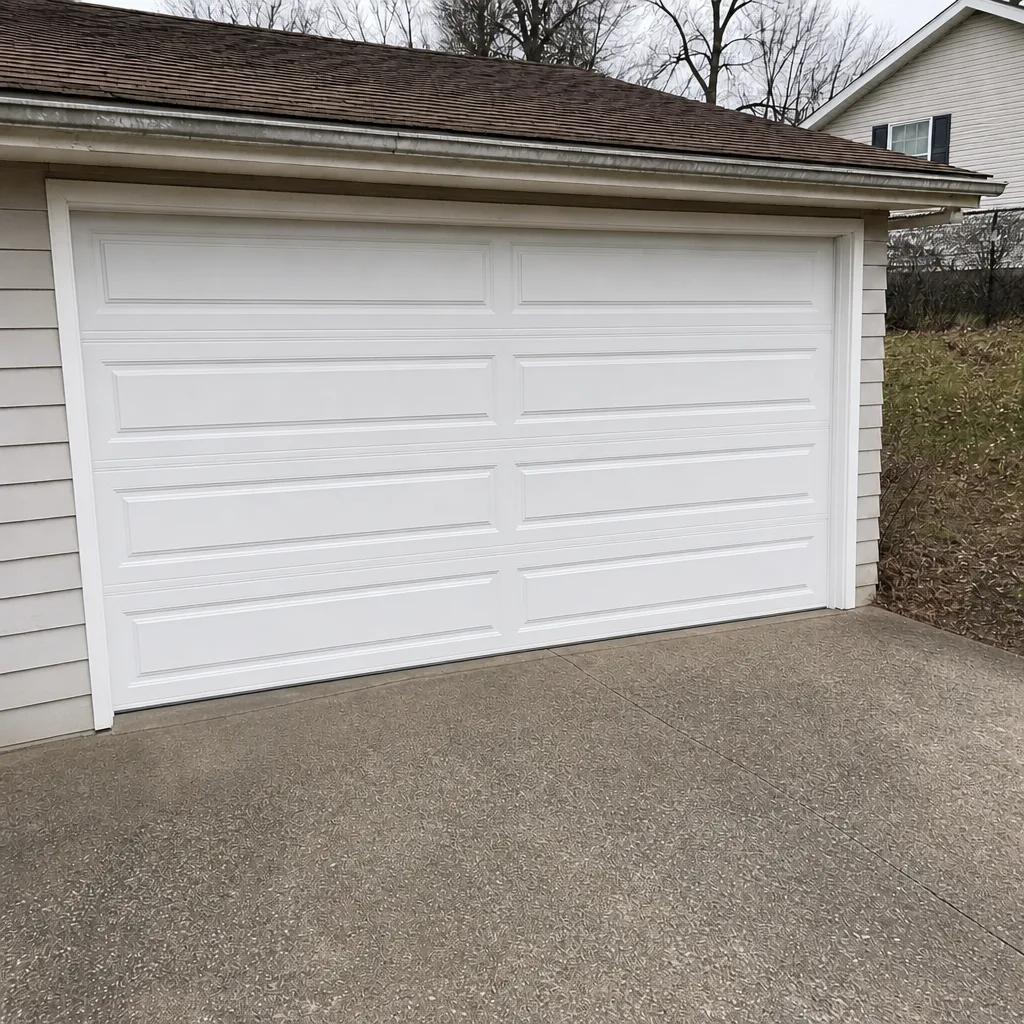
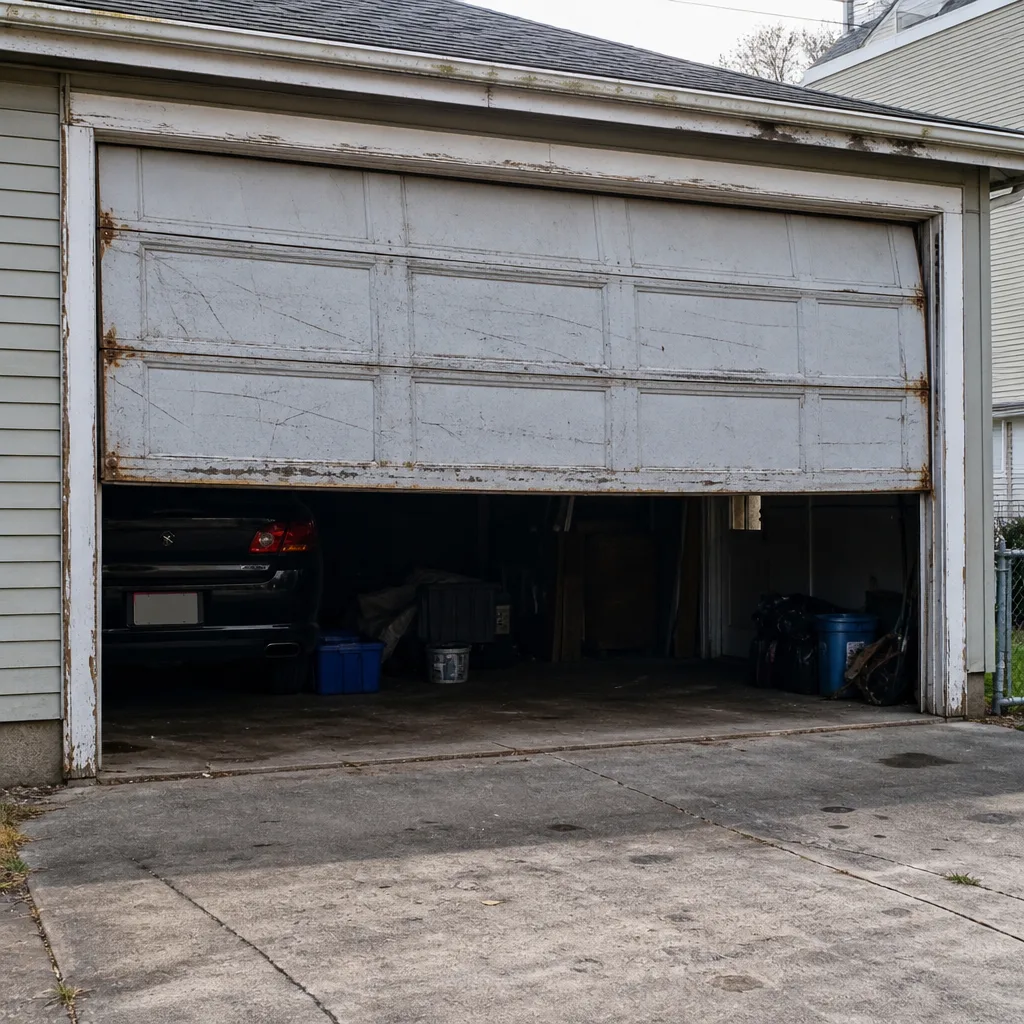
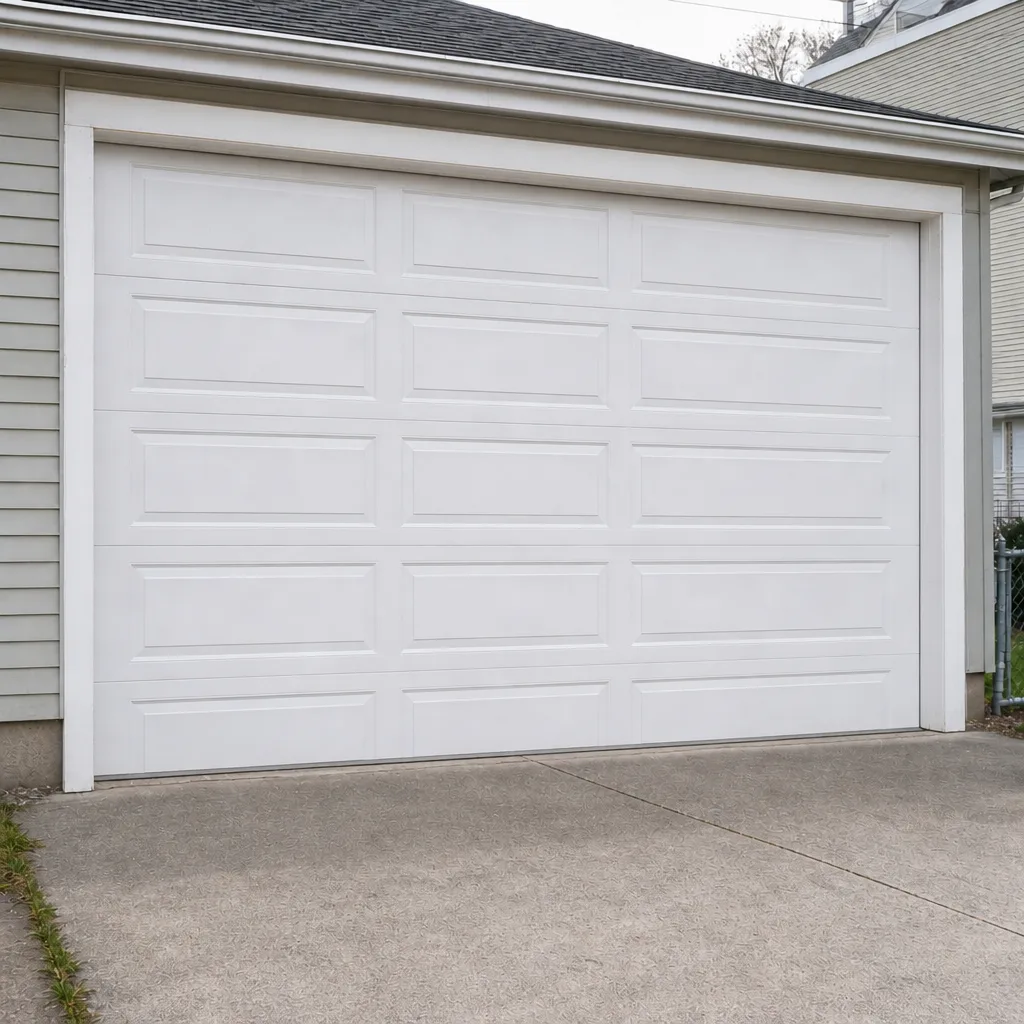
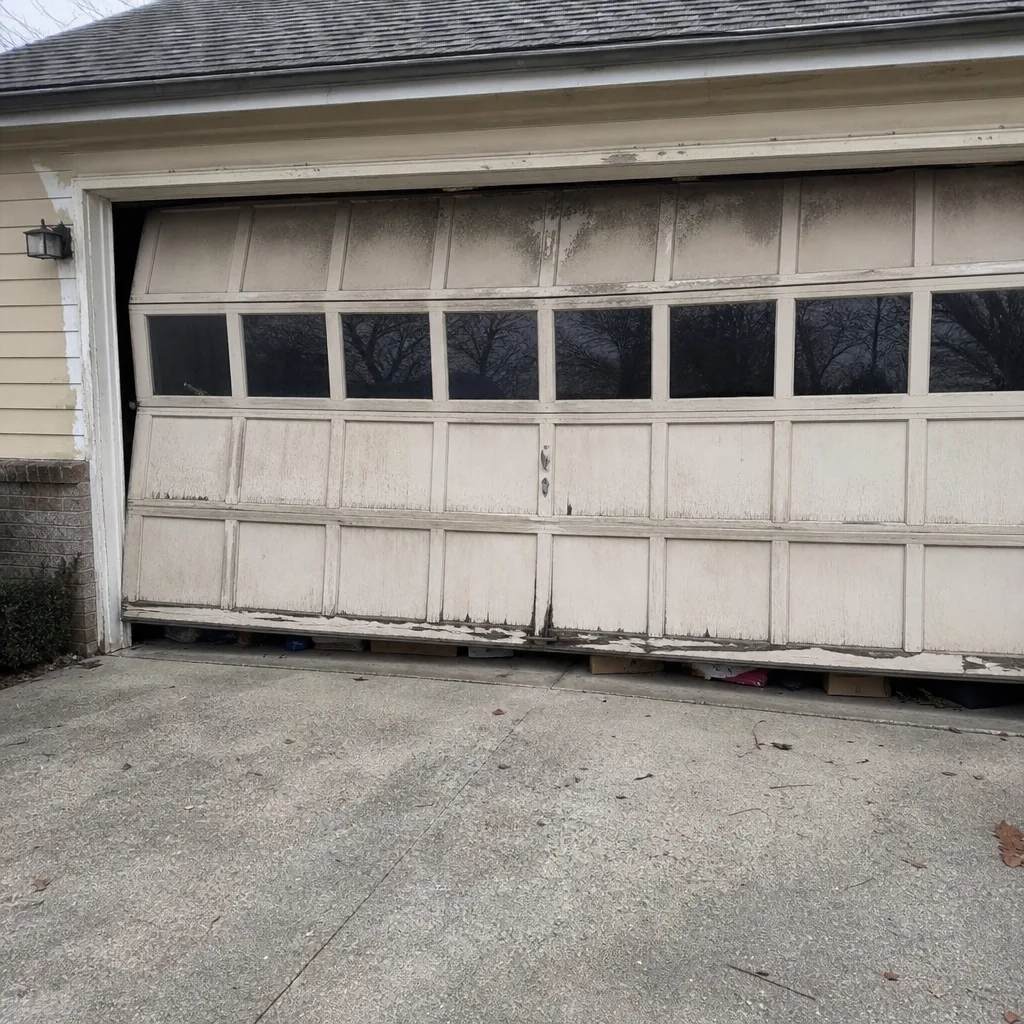
See the difference
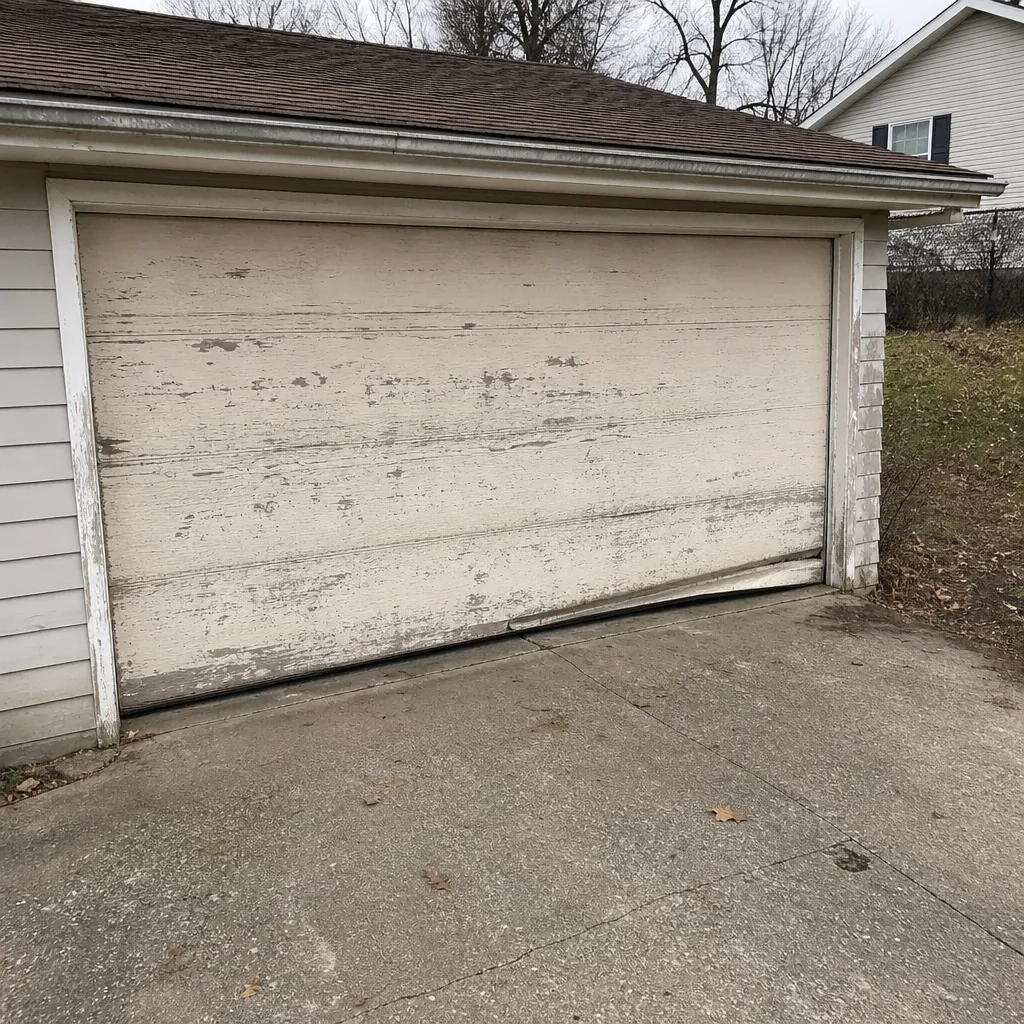 Before
 After
 Before
 After
 Before
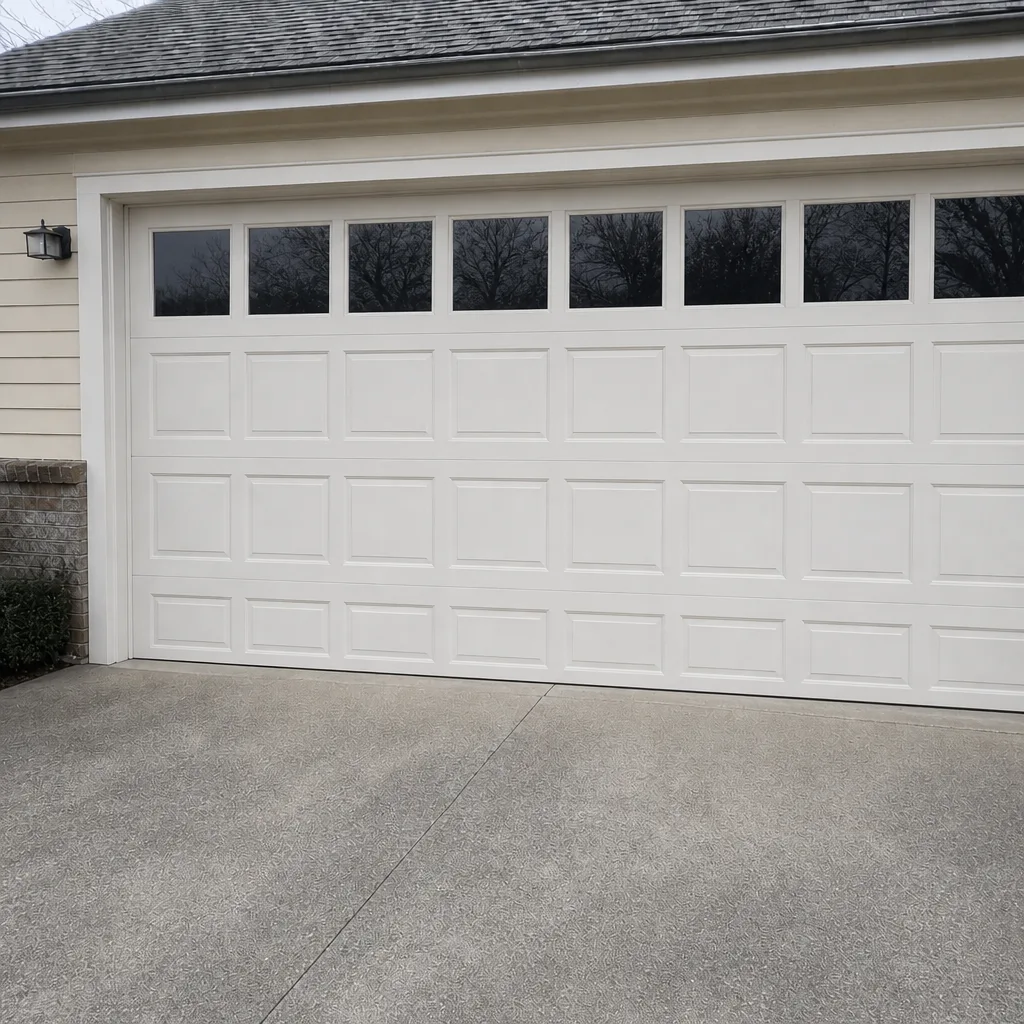 After
When to Call a Professional
Some failures on this list are routine and some are a signal to stop using the door. Call a professional if you find a visible gap in a torsion spring or a stretched extension spring, if the balance test shows the door dropping or rising on its own, if cables are frayed or off their drums, if the safety reverse fails after you’ve tested it correctly, or if the door has come off its track. Also call if the door won’t open or close at all, if it’s visibly out of level, or if any repair requires a ladder and a moving part. Garage Door Repair Morgantown offers free estimates in Morgantown, and our team works on the eight major brands found in most homes here. Call (844) 625-7628 and we’ll get the right next step moving. We answer 24/7, and fast dispatch runs 7am to 7pm, Sunday through Friday.
Frequently Asked Questions
The balance test. Disconnect the opener, lift the door to waist height, and let go. If it stays roughly put, the springs are doing their job. If it drops or rises on its own, the spring tension is wrong and the door needs a professional adjustment. Call (844) 625-7628 for an exact quote on that work, since estimates are free.
No. WD-40 is a solvent and light penetrating oil, not a lubricant, and repeated use strips the real lubricant off your springs and hinges. Use silicone spray on springs and roller stems, and white lithium grease on hinges in mild weather. If the door still drags after correct lubrication, it’s a repair issue, not a lubrication one. Call (844) 625-7628 and we’ll take a look.
Plan on a 20-minute self-check every quarter and a full inspection once a year. Run the balance test and the safety reverse test monthly, since those are the ones that catch a failing spring or a safety problem early. In our climate, do the fall lubrication pass before the first hard freeze rather than after. If anything fails, don’t wait for the next quarterly date, call (844) 625-7628 for a free estimate.
Look for a clean gap in a torsion spring, an extension spring that hangs visibly longer than its neighbor, or heavy rust pitting on the coil. A door that feels heavier than usual or fails the balance test is another strong sign. Never touch or adjust a spring yourself; call (844) 625-7628 and we’ll diagnose it and give you a written price before any work starts.
Yes, for many repairs. We offer same-day service on a lot of door and opener problems, and we answer 24/7. Fast dispatch runs 7am to 7pm, Sunday through Friday. We’re closed Saturday, so a call that comes in on Saturday is booked into the next opening on Sunday. The price is quoted and agreed before any work starts, and estimates are free. Call (844) 625-7628 for a quote.
No, not after the written estimate. The price is per job and is agreed before any work begins. We look at the door, the springs, the opener and the hardware, then quote it in writing. What you agree to is what you pay. Call (844) 625-7628 for a free estimate.
The local pros we connect you with are licensed and insured as their state requires, and our team’s technicians have up to 15 years of experience with door and opener systems. We work on the major brands found in most homes here, including LiftMaster, Chamberlain, Genie, Clopay, Amarr, Wayne Dalton, Craftsman and Raynor. Call (844) 625-7628 to talk through your door.
The Bottom Line
A maintenance checklist is only worth following if it tells you what a bad result looks like. Run the 20-minute quarterly check with clear pass/fail standards. Use the right lubricant for the right component, and never WD-40 on a spring. Balance-test the door monthly, run the safety reverse test at the same time, and treat a failed balance test as a call to a professional rather than a to-do for later. Anything involving springs or cables isn’t a homeowner job, no matter how small the adjustment seems. Set a reminder, keep a short log, and adjust the routine to the humidity and the hard freezes that shape how doors age in Morgantown. Catching one bad spring early is worth a year of good habits. That’s the whole point of the checklist.
If you find something on this list that shouldn’t wait, or you’d rather have the work checked by someone who does it every day, we’re ready. Garage Door Repair Morgantown handles repair, spring work, opener service, and full installation, so the same team can see your door through from the first sign of trouble. Call (844) 625-7628 for a free estimate. We answer 24/7. Fast dispatch, 7am-7pm, Sunday through Friday.
Written by the team at Garage Door Repair Morgantown.