
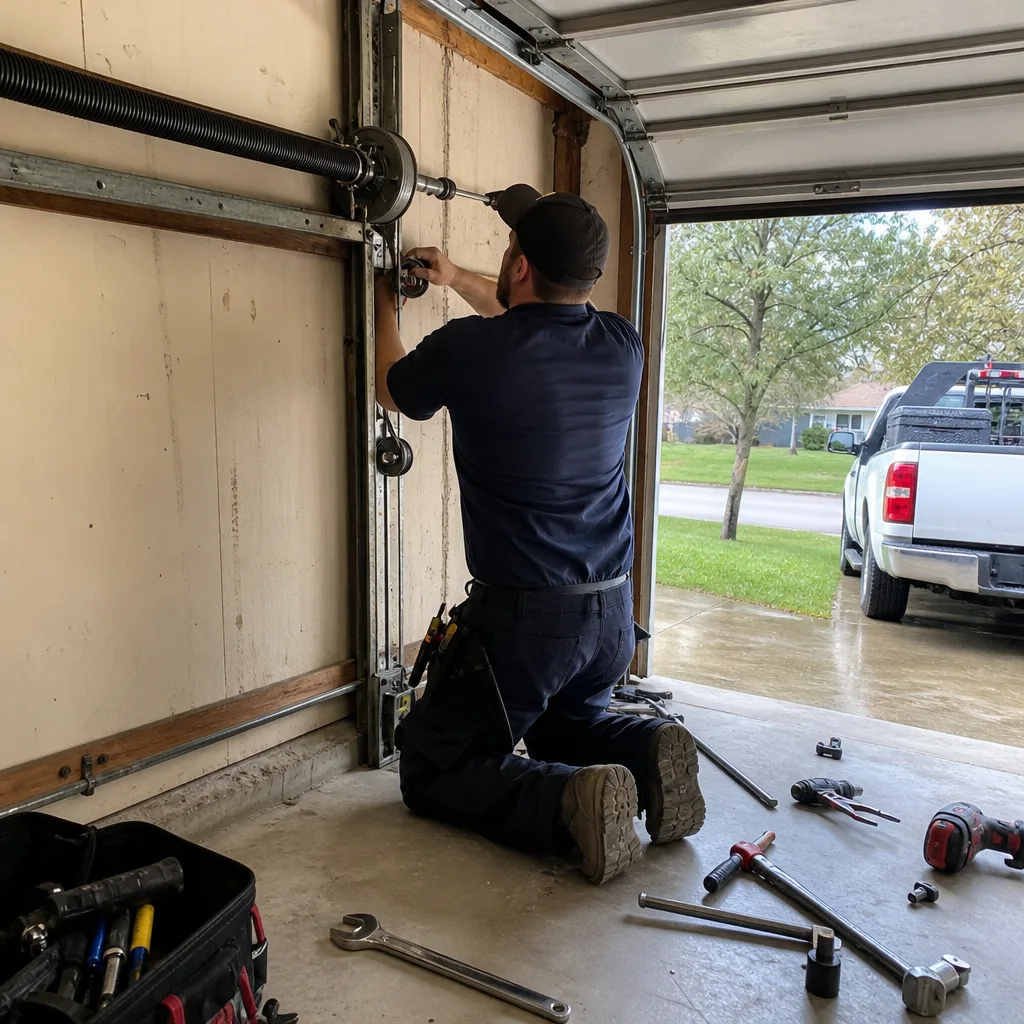
Last updated November 23, 2026
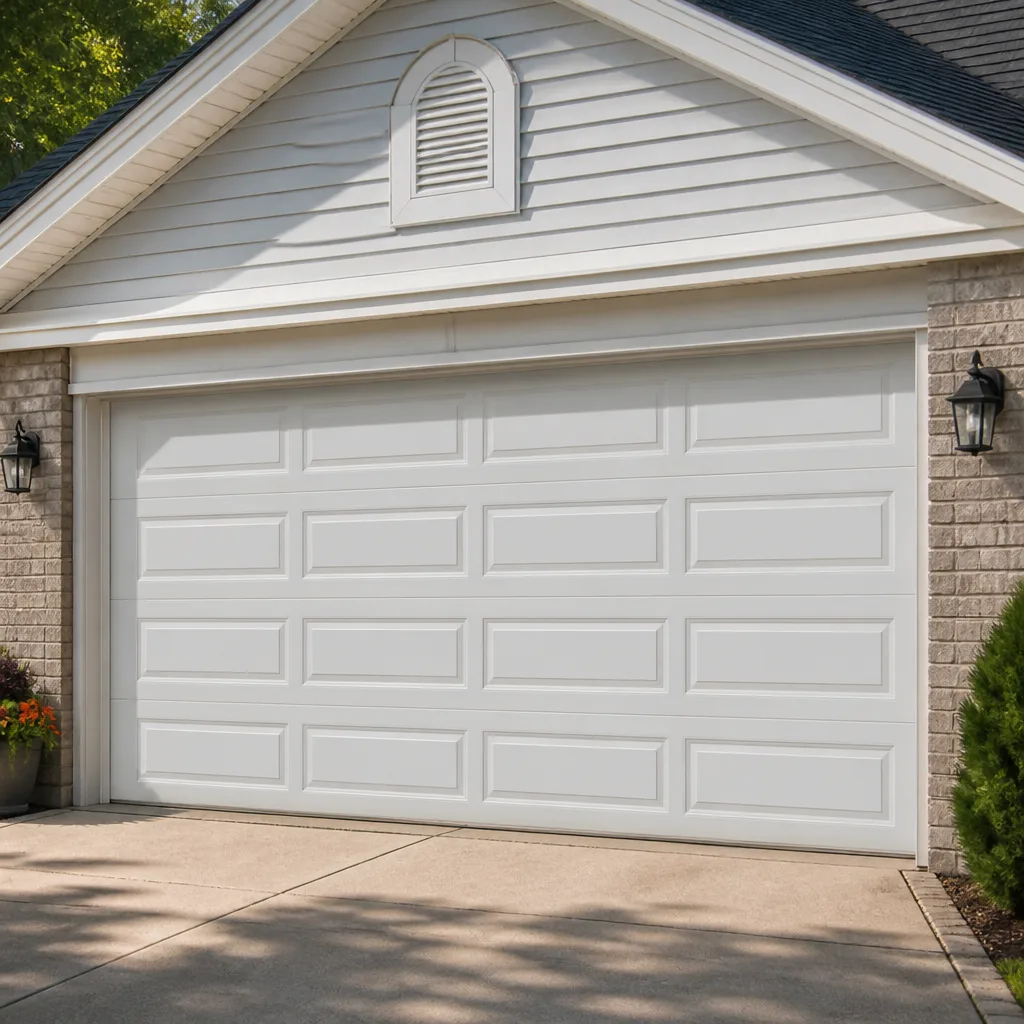 Raised-panel steel
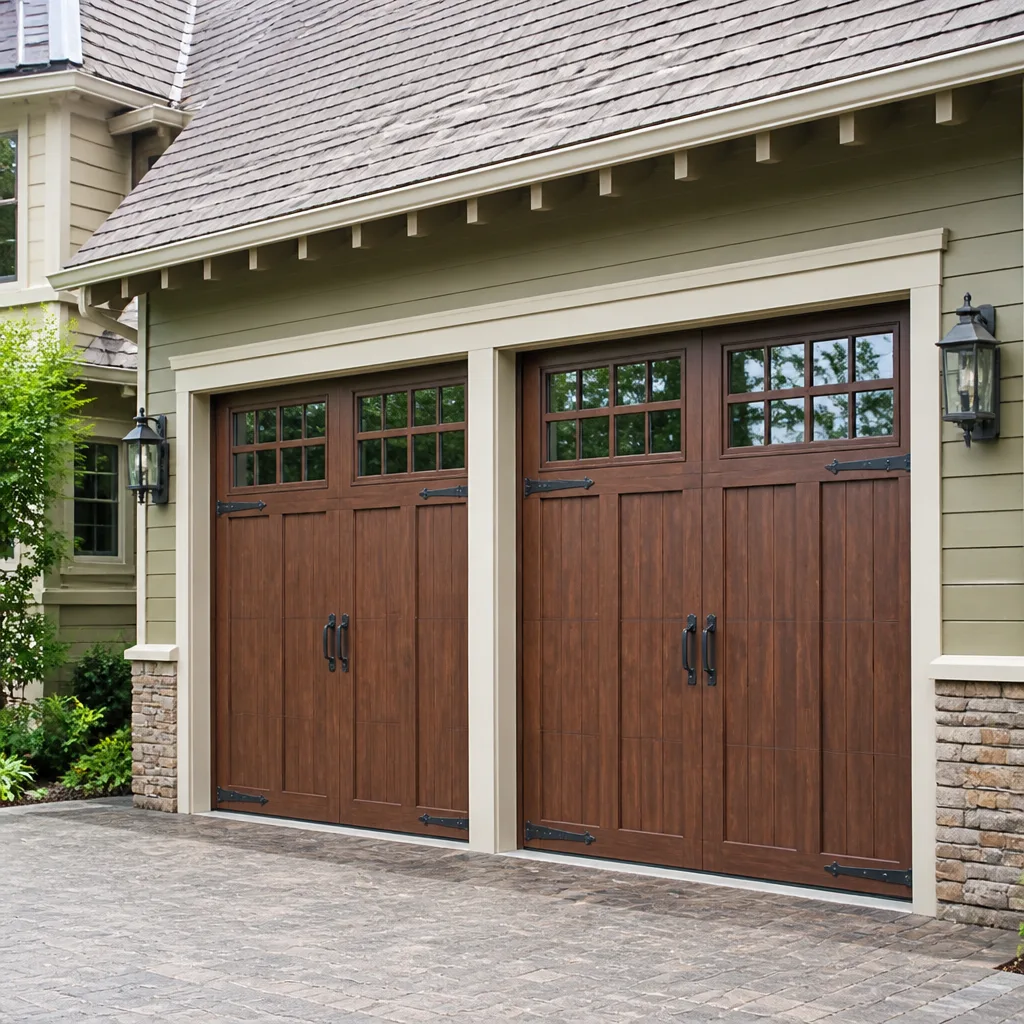 Carriage house
 Modern flush
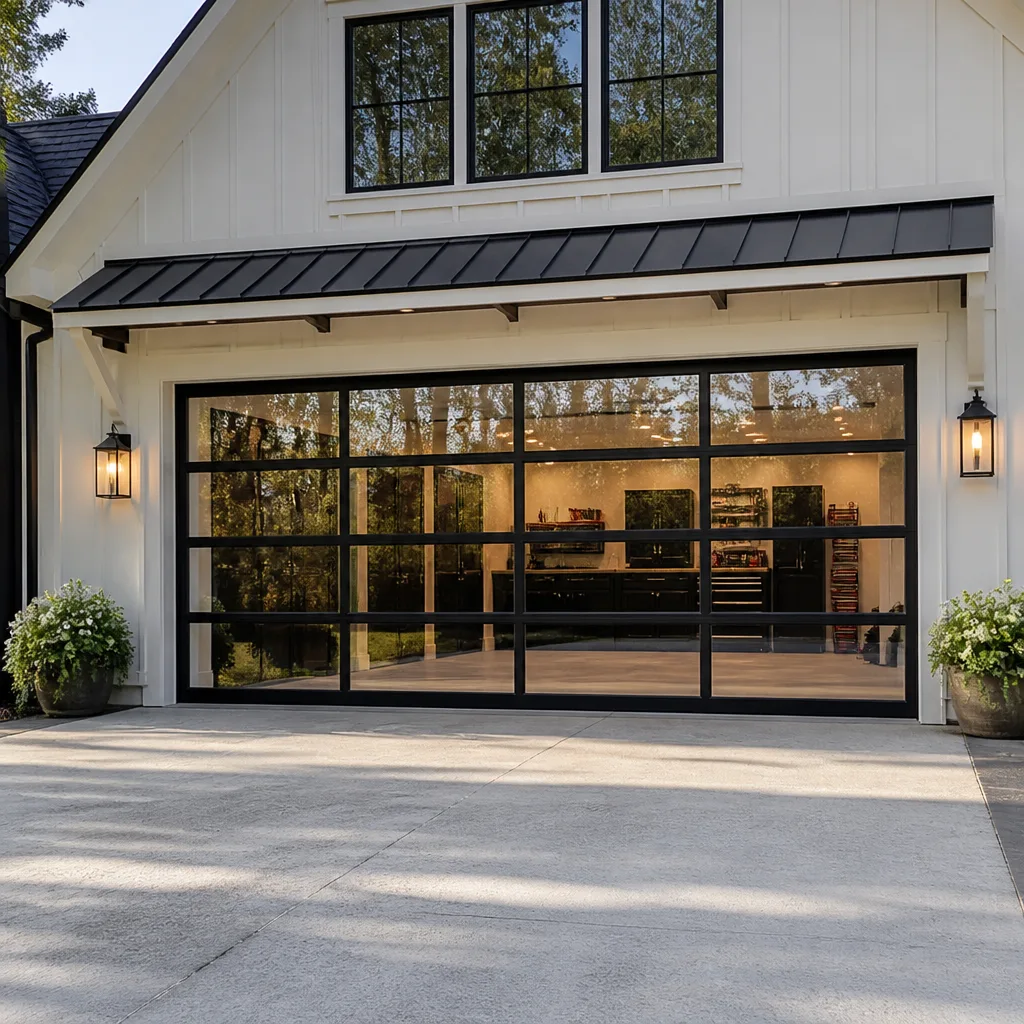 Full-view glass
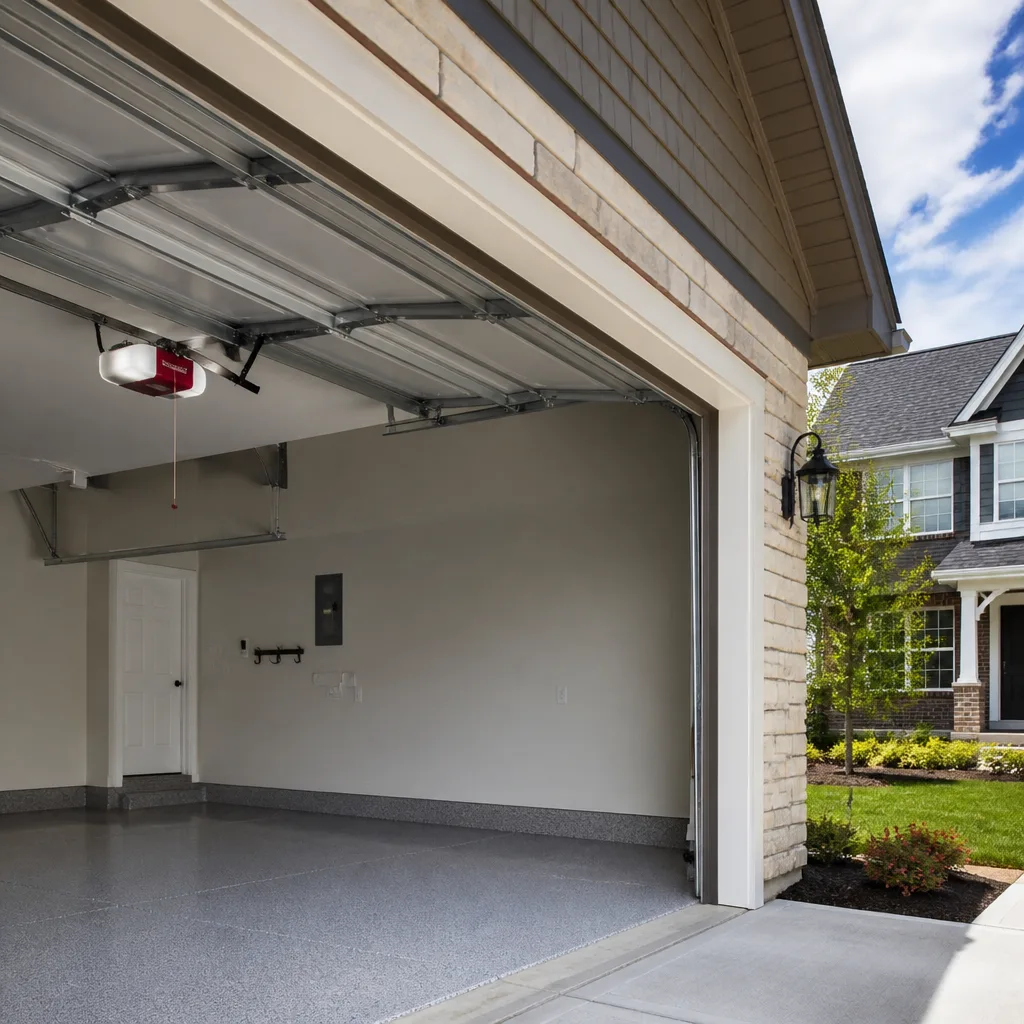 LiftMaster openers
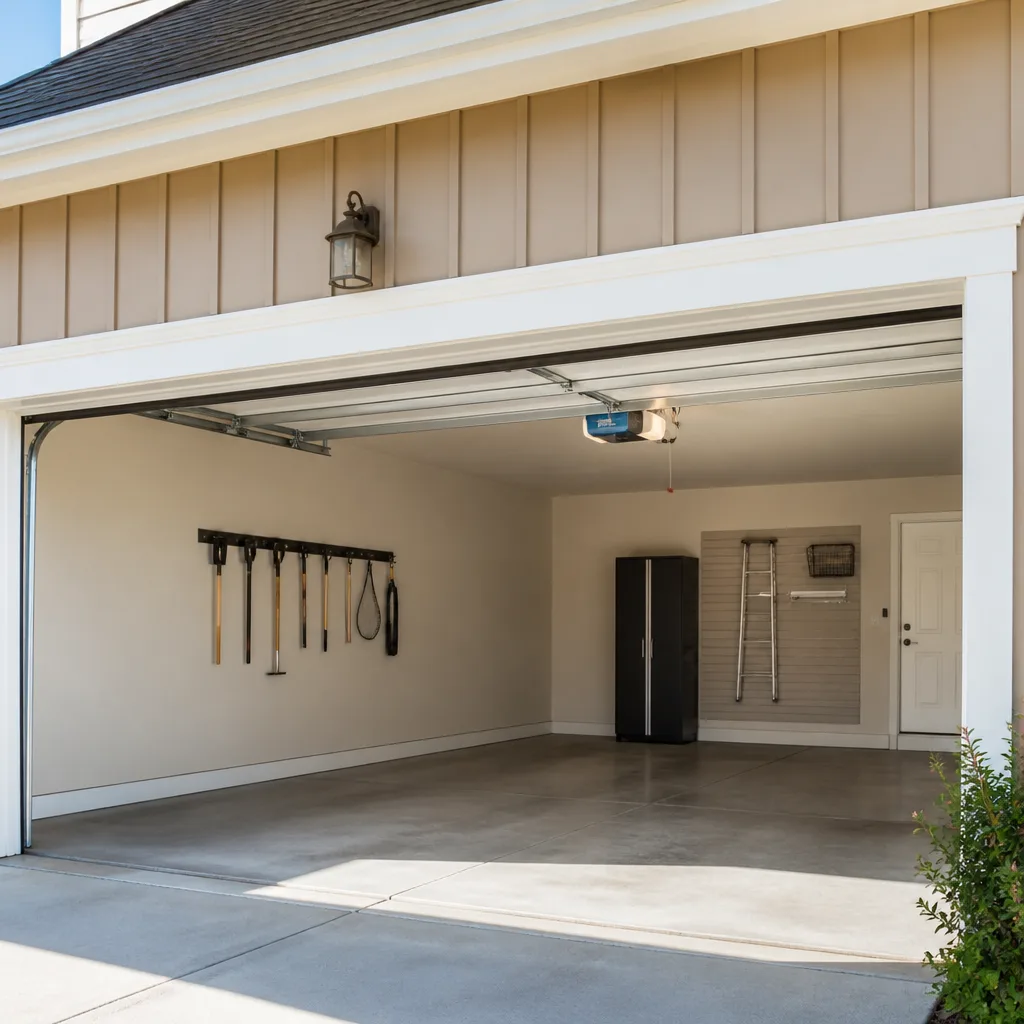 Chamberlain openers
Full 25-point door and opener safety check with every visit - springs, cables, rollers, tracks, and your LiftMaster or Chamberlain opener included
You get a price before we start. It does not change when the pro arrives.
Get your free estimateDIY vs Professional Garage Door: The Morgantown Homeowner’s Decision Guide
Most garage door advice treats DIY as a skill question: are you handy enough? That’s the wrong question. The real split is between tasks that carry stored-energy injury risk and tasks that don’t. A torsion spring holds enough energy to do serious damage if it lets go, and no video transfers the feel of a properly wound spring. A misaligned safety sensor or a squeaking roller does not carry that risk. This guide sorts every common garage door job into those two buckets, walks through the real cost math on spring work, explains how West Virginia law treats a self-performed repair when you sell your house, and shows the middle-path options that cut billable time without touching anything dangerous. Morgantown homeowners get a decision framework, not a sales pitch.
Quick Answer
Safe DIY garage door tasks in Morgantown are limited to safety sensor alignment, lubrication, weather seal replacement, remote and keypad programming, and visual inspections. Springs, cables, cable drums, and track realignment should go to a trained technician because they store or transfer dangerous force. Spring work also tends to be cheaper done professionally once you count specialty tools and the odds of a callback mistake.
Styles & brands we work with
- Raised-panel steel
- Carriage house
- Modern flush
- Full-view glass
- LiftMaster openers
- Chamberlain openers
Table of Contents
- The Definitive DIY vs Professional Task List
- The Real Cost Comparison for DIY Spring Replacement
- How West Virginia Law Treats a Self-Performed Spring Repair
- The Middle Path: Parts You Buy, Labor You Hire
- Prep Work That Cuts Billable Technician Time
- Morgantown Climate and What It Does to Your Door
- Brand-Specific Realities: Old and New Openers
- How to Explain What You Already Tried
The Definitive DIY vs Professional Task List
The single most useful thing you can do before picking up a tool is sort the job. Here’s how we break it down, and it’s the same breakdown we use when a Morgantown caller describes a problem over the phone.
Genuinely safe for a competent homeowner:
- Aligning or cleaning safety photo-eye sensors when the door reverses or won’t close. This is the most common false alarm and costs nothing to fix.
- Lubricating hinges, rollers, and the torsion bar bearing plates with a proper garage door lubricant (not WD-40, which attracts grit).
- Replacing the bottom weather seal, which is a straightforward pull-and-slide job on most doors.
- Programming remotes, keypads, and Wi-Fi openers like LiftMaster or Chamberlain myQ units.
- Replacing batteries in remotes and safety sensors.
- Visual inspection: listening for grinding, checking that the door is balanced when you release the opener, looking at cable wear with your eyes only.
Requires a trained technician:
- Torsion spring replacement or adjustment. This is the one job where the safety margin is genuinely thin.
- Extension spring replacement, which is less tense than torsion but still carries stored energy and needs proper safety cables.
- Cable replacement and cable drum work, because a slack cable can snap under load.
- Track realignment or replacement, since the door’s weight runs on the track and a wrong bend can drop it.
- Panel replacement on a door with tensioned springs still installed.
- Opener motor and gear replacement, plus limit-switch adjustment on older units.
- Anything involving the door’s balance, which is a spring-and-cable job by definition.
That split, not a general “handy or not” judgment, is the whole decision. If the job is on the second list, no amount of confidence closes the safety gap.
The Real Cost Comparison for DIY Spring Replacement
Here’s where the DIY math usually falls apart, and it’s worth walking through honestly. A homeowner pricing out a torsion spring replacement tends to count three things: the spring, the time, and the video. The actual ledger has more lines.
What a DIY spring replacement really involves:
- The spring itself, which must match wire gauge, inside diameter, and length to your door’s weight. Buy the wrong one and the door is either too heavy or dangerously oversprung.
- Winding bars, which you likely don’t own and which aren’t the same as a screwdriver or a pipe.
- A proper ladder and the physical clearance to hold tension safely while winding.
- The odds of a callback mistake: a mis-sized spring, a wound-but-not-seated spring, or a door left unbalanced. Each of those means starting over or calling someone anyway.
- Your time on a job that takes a trained technician a short visit and takes a first-timer most of an afternoon.
Now stack that against a professional repair. A written estimate covers parts, the right spring for your door, and the winding done by someone who’s handled torsion springs many times. Our technicians have up to 15 years of experience with exactly this work, and spring repair is a named service for us, not an add-on. For most Morgantown homeowners, once you add the correct spring, the tool, and the real chance of a redo, the gap between DIY and professional closes fast. And the professional route comes with a price quoted and agreed before any work starts, so there’s no invoice surprise at the end. For a detailed breakdown of what a spring job runs, see our garage door spring repair page.
A word on pair replacement: springs are matched, and replacing only one side of a matched pair usually means the other fails soon after. Price a pair, not a single spring, when you’re comparing DIY and professional.
How West Virginia Law Treats a Self-Performed Spring Repair
This is the part almost nobody mentions, and it matters if you ever plan to sell. In West Virginia, a homeowner who performs their own repair generally must disclose known material defects to a buyer when selling. Garage door springs and cable systems are part of the home’s mechanical systems, and a self-performed repair that wasn’t done to standard can become a disclosure issue or a repair-negotiation headache at closing.
The safe way to think about it:
- Keep records of anything you do yourself, including part numbers and receipts. A paper trail protects you more than a memory does.
- If you’re not confident the repair is to standard, disclose it rather than hope it doesn’t come up. A buyer’s inspector will check the door.
- A professional repair with a written estimate is easier to disclose and easier to defend than an undocumented DIY job.
- For anything involving springs or cables, the disclosure question is real. That’s another reason those jobs are better left to a trained technician.
We’re not attorneys, so for a specific transaction, ask a West Virginia real estate attorney or your agent about disclosure requirements. The general point holds: self-performed spring work follows you to the closing table.
The Middle Path: Parts You Buy, Labor You Hire
Not every decision is all-DIY or all-professional. There are middle paths, and they can be smart when used carefully.
Option one: buy the part, hire the labor. Homeowners sometimes source a spring, a roller set, or a weather seal themselves and hire a technician to install it. This can work for lower-risk parts like rollers and seals. For springs, be cautious: a technician can’t stand behind a spring they didn’t spec, and a mismatched spring is a problem for both of you. Ask before you buy, and expect the technician to confirm the part fits your door before installing it.
Option two: do the safe prep, hire the risky work. Clear the garage floor, move the car, remove anything hanging near the tracks, and note the exact symptoms. That reduces the time a technician spends on setup, and a cleaner job site means a faster assessment. For a Morgantown home with a tight garage, clearing the bay is real time saved.
Option three: split the job. Have a technician handle the springs and cables, and do the sensor alignment, lubrication, and weather seal yourself afterward. You get the dangerous work done safely and still keep the small stuff off the bill.
Whatever path you choose, get the price in writing first. The written estimate sets the final price, and we quote and agree it before any work starts.
Prep Work That Cuts Billable Technician Time
If you’re hiring out, a little preparation goes a long way. Here’s what actually helps, in order:
- Clear the bay. Move the car, the mower, the bikes. A technician who can work unobstructed finishes faster.
- Write down the symptoms. Does the door reverse? Grind? Stop halfway? Does the opener light blink a code? Specifics save diagnostic time.
- Note the brand and model. Check the opener housing and the door’s edge label. Knowing you have a Craftsman or Wayne Dalton unit up front means the right parts and know-how arrive the first time.
- Test the balance yourself, safely. With the door closed and the opener disengaged, lift the door by hand about halfway and let go. A balanced door stays put; a door that drops or rises on its own has a spring problem. Don’t force anything.
- Don’t disassemble anything first. Taking apart a track or a spring assembly before a technician arrives usually adds time, not saves it.
None of that touches stored energy. It just means the visit is focused on the actual repair.
Morgantown Climate and What It Does to Your Door
Morgantown sits in the Appalachian foothills, and the seasons here work on a garage door in specific ways. Winters bring freeze-thaw cycles, and the freeze-thaw runs on the bottom seal, the concrete, and the metal tracks. Summer humidity swells wood door panels and works on steel hardware, which is why lubrication matters more here than in a dry climate. The hillside terrain around neighborhoods like South Park and Woodburn means many garages sit on a slope, and a sloped driveway puts uneven load on one side of the door over time.
What that means for the DIY-vs-pro call:
- Weather seal replacement is a genuinely good DIY job here, because the seal takes a beating from freeze-thaw and is cheap to redo.
- Lubrication is a twice-a-year DIY task in this climate, not a once-a-year one.
- Sloped-driveway doors are more prone to track and balance problems, which land on the professional list.
- Springs under a door that’s been fighting a slope or a swollen panel wear faster, so a balance check is worth doing each season.
None of that changes the safety split, but it does change how often the safe tasks come up.
Brand-Specific Realities: Old and New Openers
Some DIY questions come down to the brand on your opener or door. Here’s how it plays out for the systems we see most in Morgantown.
LiftMaster and Chamberlain (including myQ): Remote and keypad programming is genuinely DIY-friendly, and the apps walk you through it. Once you’re into motor, gear, or logic-board territory, that’s a technician job. Smart-home pairing issues are often a simple fix but sometimes a board problem, and the diagnosis is where the value is.
Craftsman: Plenty of older Morgantown homes still run Craftsman openers, and the parts picture is more complicated than for current models. If your unit is older, a professional who knows the legacy line saves you chasing discontinued parts.
Wayne Dalton and Raynor: These doors show up on a lot of homes here, and panel and hardware compatibility matters. Buying a panel or a hinge yourself and having it not match is a common DIY dead end. A technician who knows the line can spec the right part the first time.
Our role is brand fluency across eight major garage door and opener brands, old and new, so the right part and the know-how arrive together. That’s the practical difference between a generalist and a specialist on an older door.
How to Explain What You Already Tried
If you’ve already attempted a repair, tell the technician exactly what you did. This is not a confession; it’s diagnostic information, and it prevents a wrong assumption. A technician who knows you’ve already replaced a sensor or re-seated a roller won’t waste time re-diagnosing it.
What to say, in order:
- What the door was doing before you touched it. The original symptom is the most valuable clue.
- What you changed or adjusted. Part numbers and brand names help. “I replaced the bottom seal” or “I reprogrammed the LiftMaster remote” tells the technician where to look.
- What happened after. Did the problem get better, worse, or stay the same? A changed symptom points to a different cause.
- Whether you touched anything with stored energy. If you loosened a spring, a cable, or a track bolt, say so plainly. The technician needs to check safety before doing anything else, and that’s a good thing.
Being straight about an attempted repair means the technician assesses the actual job, not the worst-case version. It also means the written estimate reflects what’s really needed.
Common Mistakes to Avoid
- Treating a torsion spring like a stretched rubber band. It’s not. It stores serious energy and releasing it wrong can injure you badly. Don’t improvise winding tools with screwdrivers or pipe.
- Replacing one spring of a matched pair. The second one usually follows soon after, so you pay twice. Price the pair.
- Using WD-40 as a garage door lubricant. It attracts grit to the rollers and tracks, which makes the grinding worse over time. Use a proper garage door lubricant.
- Ignoring a door that reverses for “no reason.” That’s usually a sensor alignment issue, and it’s free to fix. Don’t call it in as a mystery when a two-minute check settles it.
- Bending the track to “fix” a bind. A track that’s been bent by hand rarely returns to true, and a misaligned track drops doors. That’s a professional job.
- Buying parts before confirming fit. A spring or panel that doesn’t match your door’s weight or brand is money spent on a return trip to the store.
- Letting a DIY attempt go undocumented before a sale. In Morgantown, as elsewhere in West Virginia, a self-performed repair can become a disclosure item at closing. Keep receipts and be ready to explain the work.
See the difference
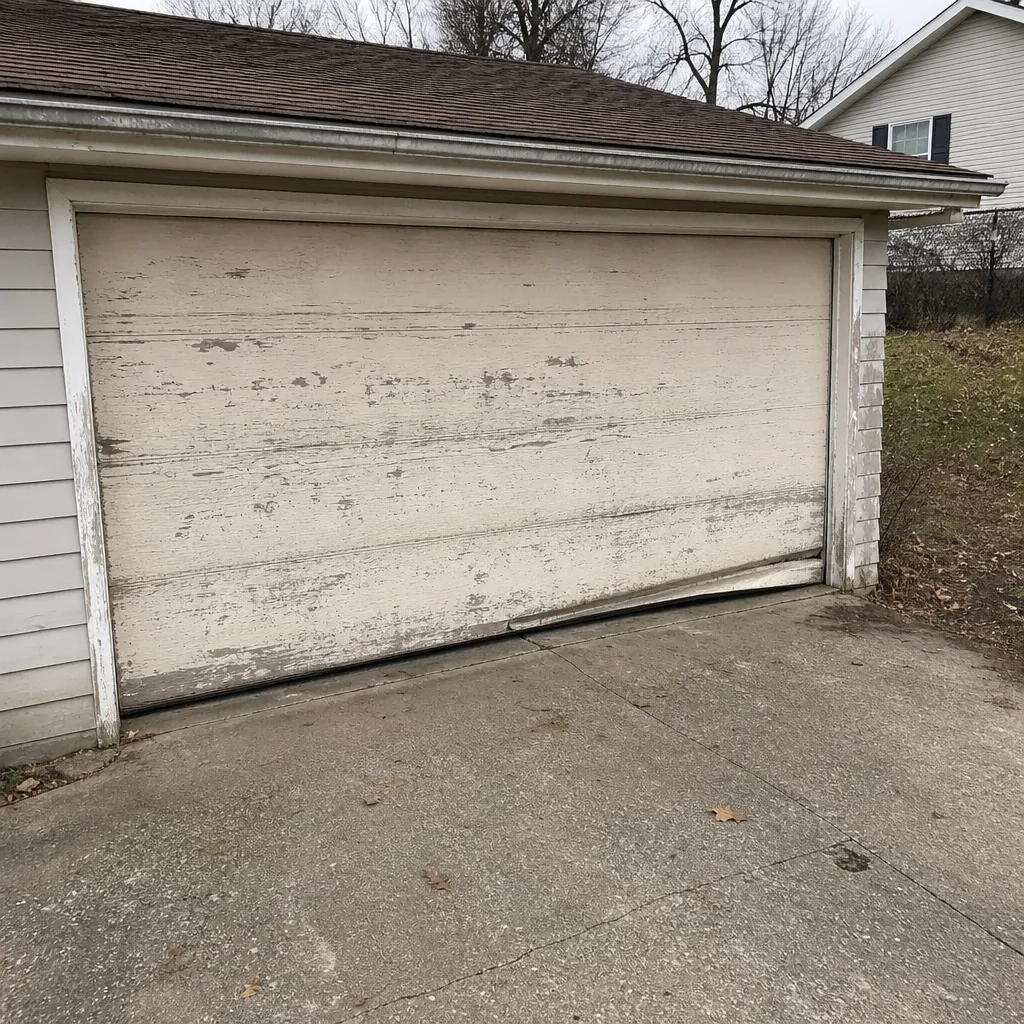 Before
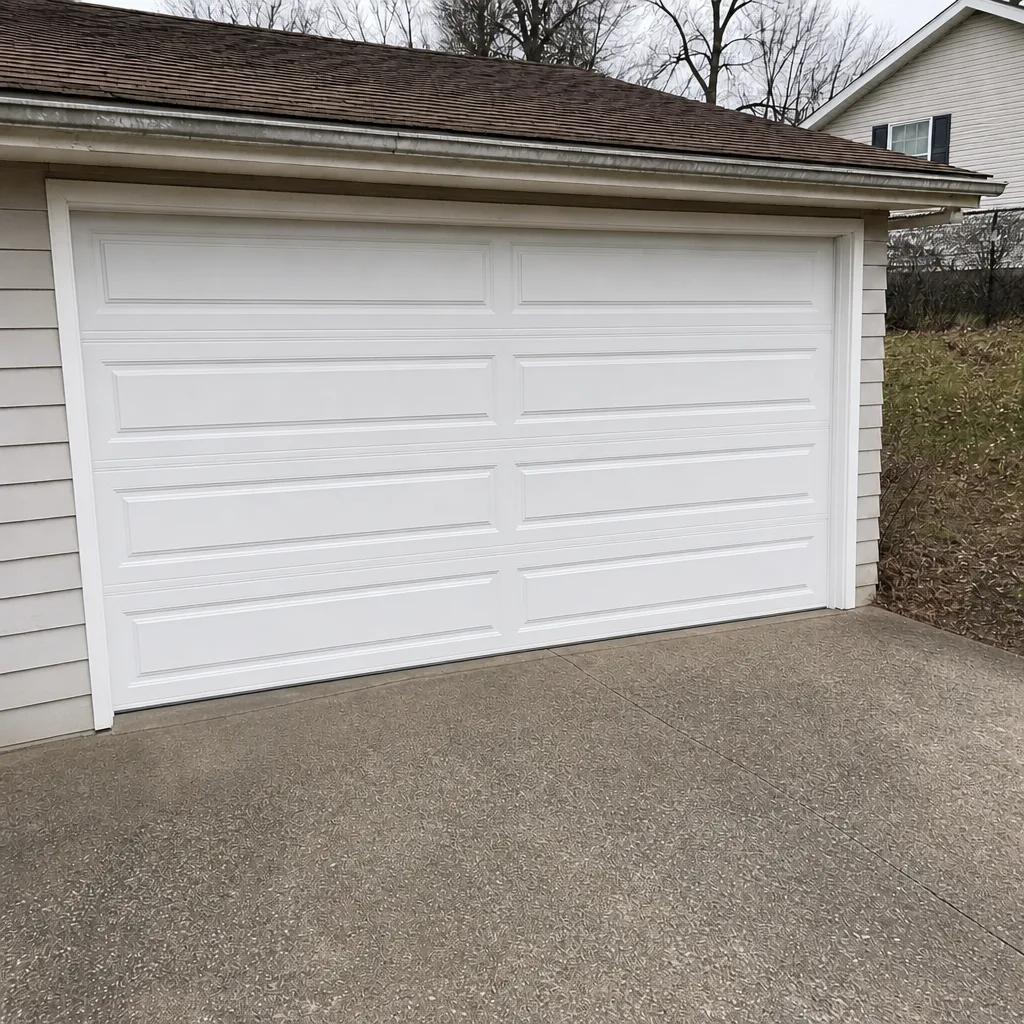 After
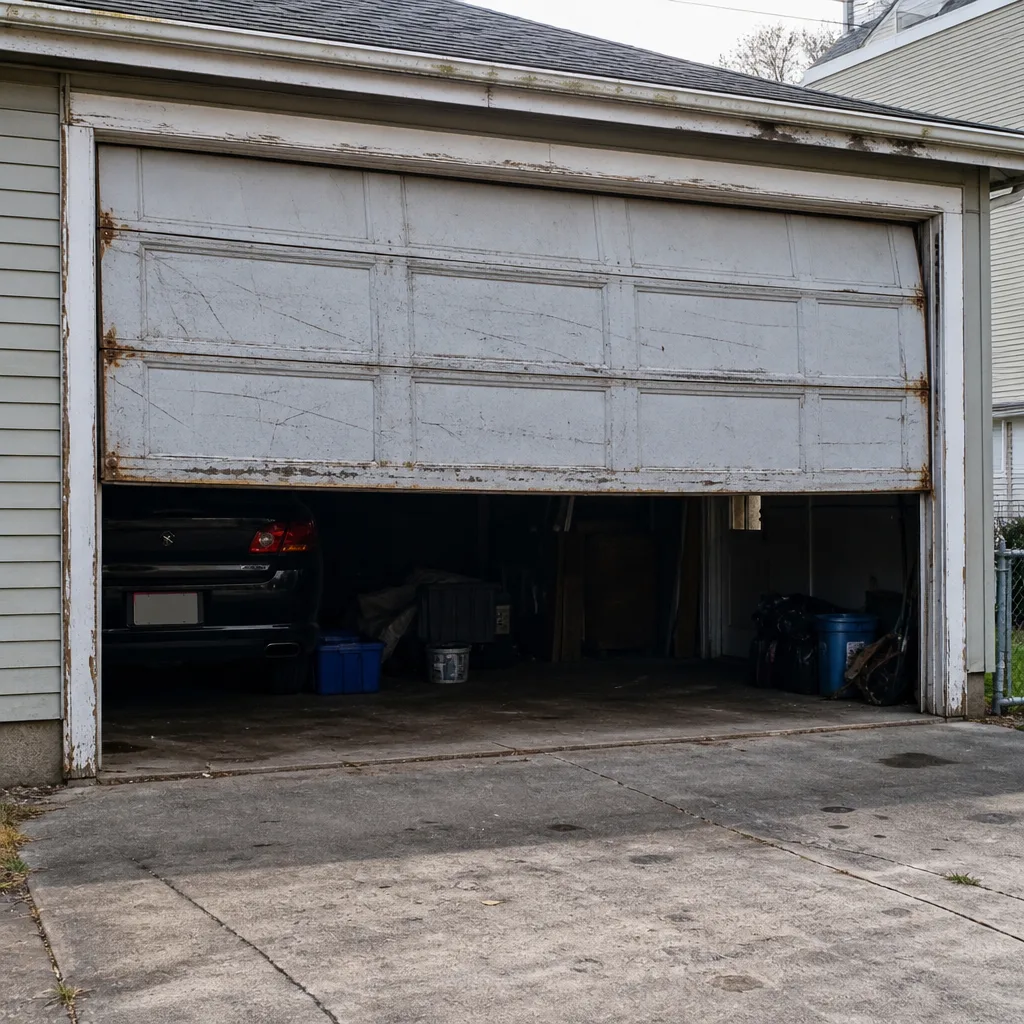 Before
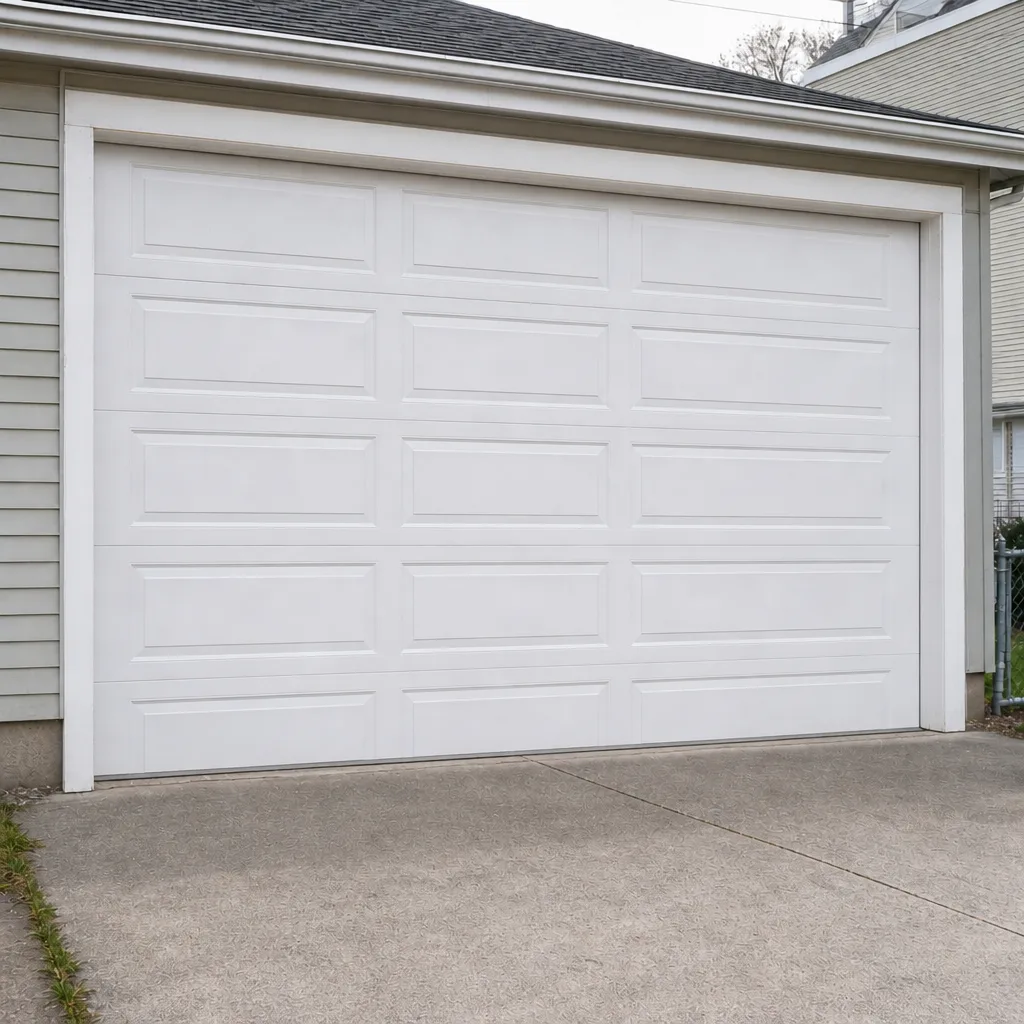 After
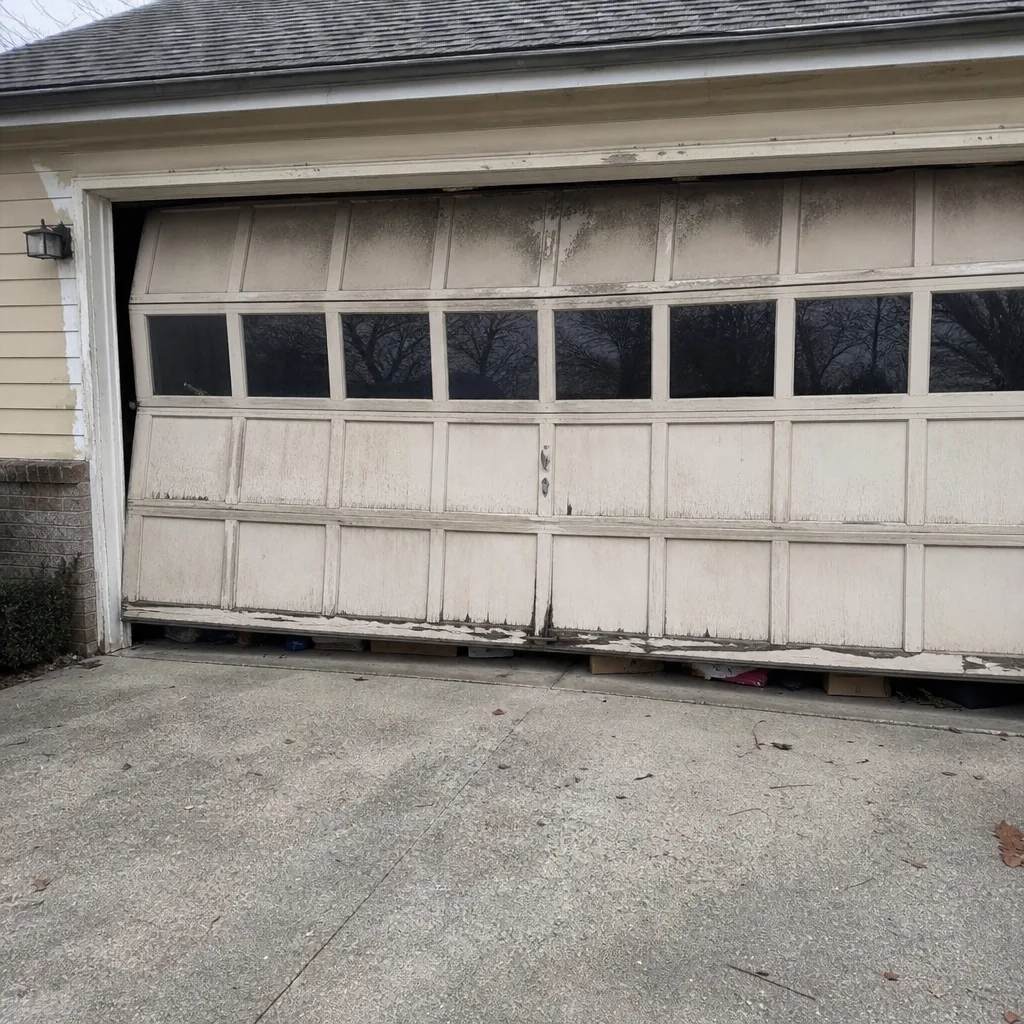 Before
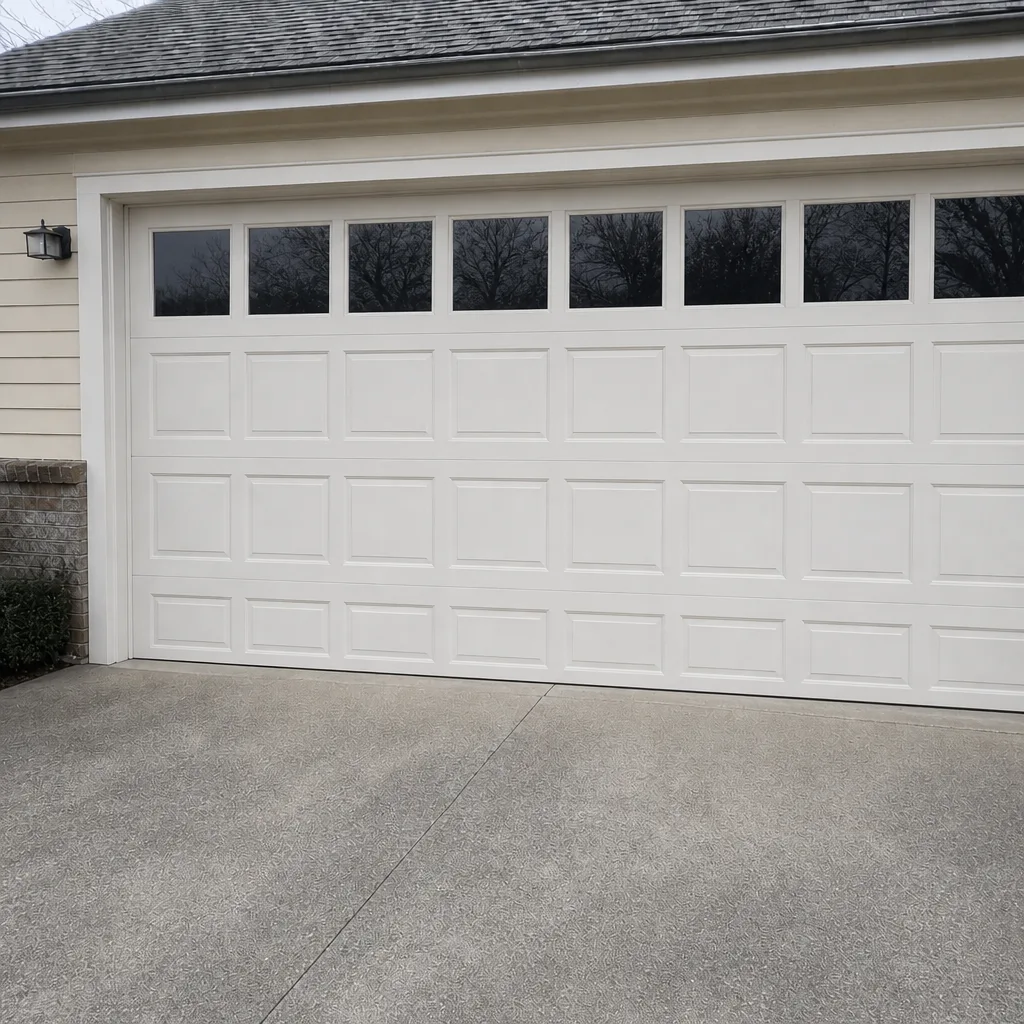 After
When to Call a Professional
Call a professional the moment the job touches a spring, a cable, a cable drum, or the track. That’s the line, and it doesn’t move based on how confident you feel. Also call if the door is unbalanced, if it drops or rises on its own when you release it, if the opener grinds or the motor runs without lifting the door, or if you’ve already attempted a repair and the problem is still there. If a door fails and you’re locked in or the house is left unsecured, that’s exactly what our emergency service is built for. Same-day service is often possible for repair work, and the price is quoted and agreed before any work starts. Garage Door Repair Morgantown offers free estimates in Morgantown. Call (844) 625-7628. We answer 24/7, with fast dispatch from 7am to 7pm, Sunday through Friday.
Frequently Asked Questions
You can, but it’s the one garage door job we’d steer almost everyone away from. Torsion springs store serious energy and release it instantly if mishandled, and the right spring must match your door’s weight. A professional spring repair removes the injury risk and usually costs less than the DIY path once you count the correct part, tools, and the chance of a redo. Call (844) 625-7628 for an exact quote; estimates are free.
Safety sensor alignment, lubrication, weather seal replacement, remote and keypad programming, and visual inspections are all safe for a competent homeowner. Springs, cables, cable drums, and track realignment should go to a technician. Anything that touches stored energy is on the professional list, no exceptions.
Prices are set per job by a written estimate, so the honest answer is that it depends on the job and the parts. What we can promise is that the price is quoted and agreed before any work starts, and the written estimate is the final price. Call (844) 625-7628 for a free estimate and a real number for your door.
No, not after the written estimate is agreed. We look at the door, agree the price with you, and then do the work. If we find something the estimate didn’t cover while we’re in there, we’ll tell you before anything changes, never after the fact. Call (844) 625-7628 to schedule a free estimate.
Often, yes. Repair work is a same-day service for many jobs, and a door that’s locked you in or left the house unsecured is exactly what our emergency service handles. We answer 24/7, with fast dispatch from 7am to 7pm, Sunday through Friday. Call (844) 625-7628 and we’ll get you on the schedule.
The local professionals we connect you with are licensed and insured as their state requires. Our technicians have up to 15 years of experience, and they work on eight major garage door and opener brands, including LiftMaster, Chamberlain, Genie, Clopay, Amarr, Wayne Dalton, Craftsman, and Raynor. Call (844) 625-7628 for a free estimate.
The Bottom Line
The DIY-versus-professional question for your garage door comes down to one line: does the job touch stored energy? Sensors, lubrication, seals, remote programming, and visual checks are yours to handle, and doing them saves real money. Springs, cables, drums, and tracks belong to a trained technician, because the risk isn’t skill, it’s the physics of stored energy releasing wrong. Once you count the correct spring, the tools, and the odds of a callback mistake, professional spring work usually wins on cost too. And if you’ve already tried a repair, tell the technician what you did; it’s diagnostic, not a confession. For garage door repair, garage door opener repair, spring work, or a new installation, one call fully handles it.
Ready to skip the guesswork? Call Garage Door Repair Morgantown at (844) 625-7628 for a free estimate. We answer 24/7, with fast dispatch from 7am to 7pm, Sunday through Friday, and the price is quoted and agreed before any work starts. Whether it’s a snapped spring, a stubborn opener, or a door you’re ready to replace, the team at Garage Door Repair Morgantown handles the whole job.
Written by the team at Garage Door Repair Morgantown.