
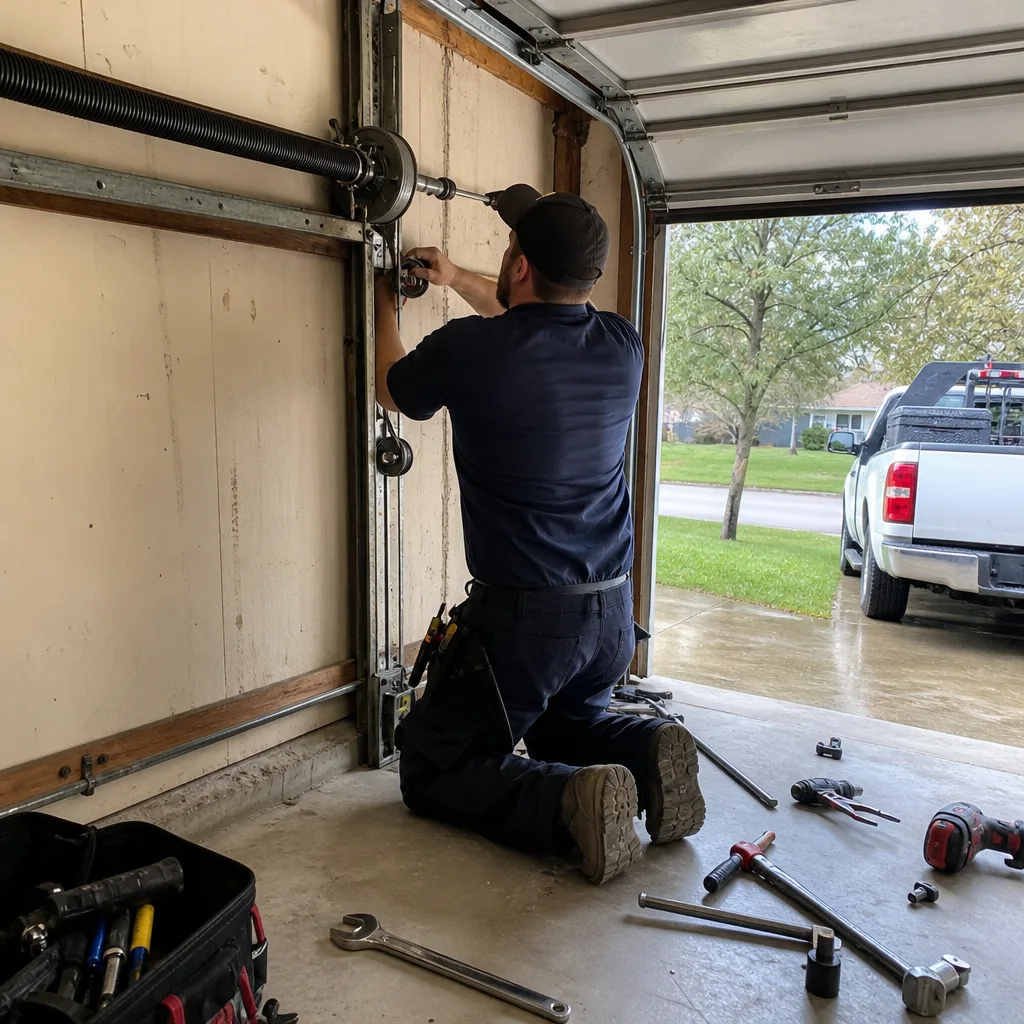
Last updated November 23, 2026
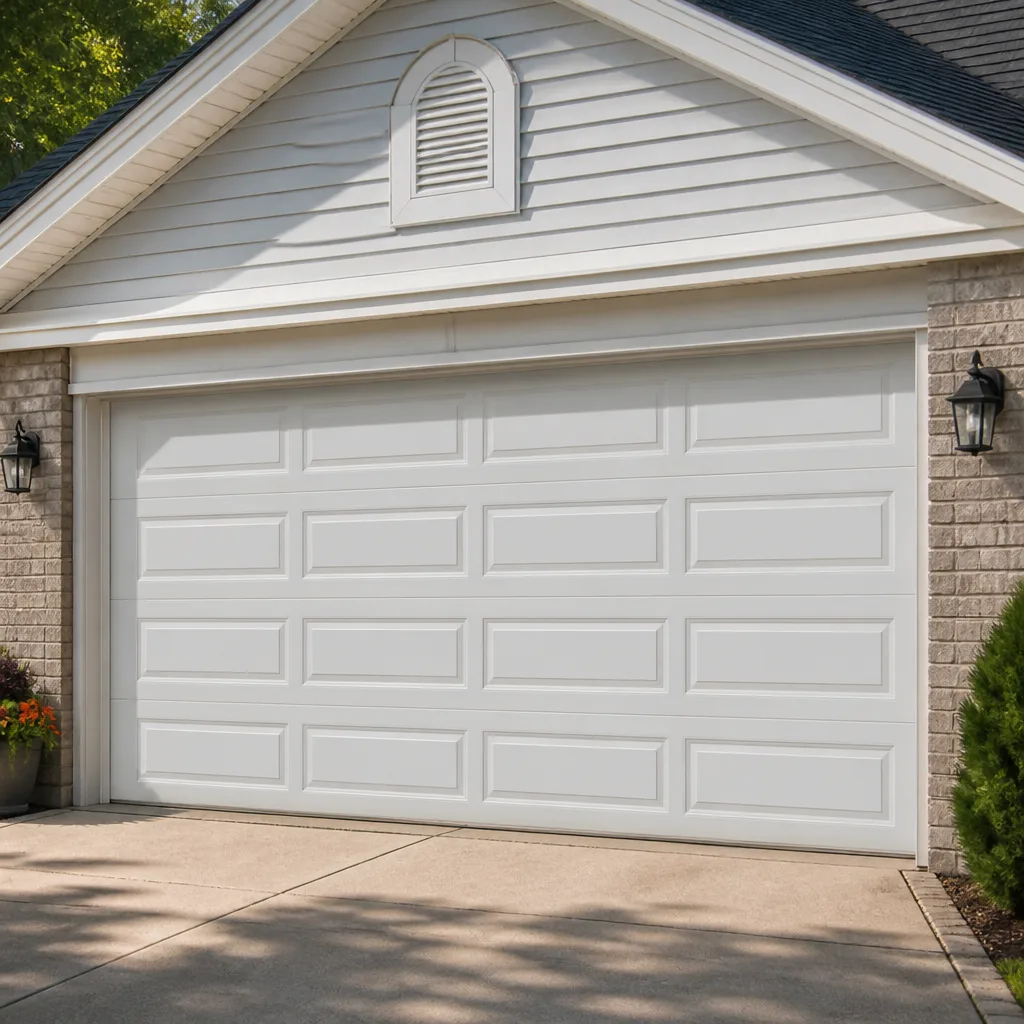 Raised-panel steel
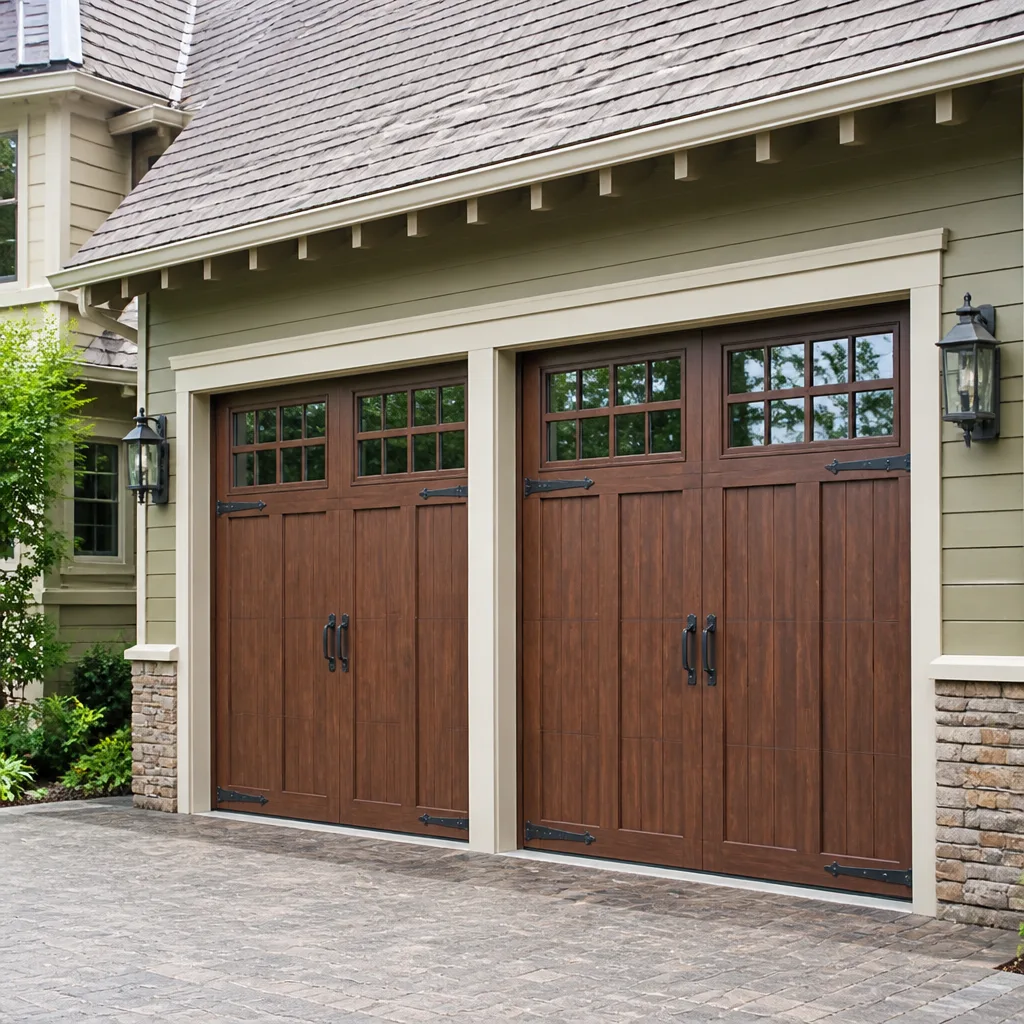 Carriage house
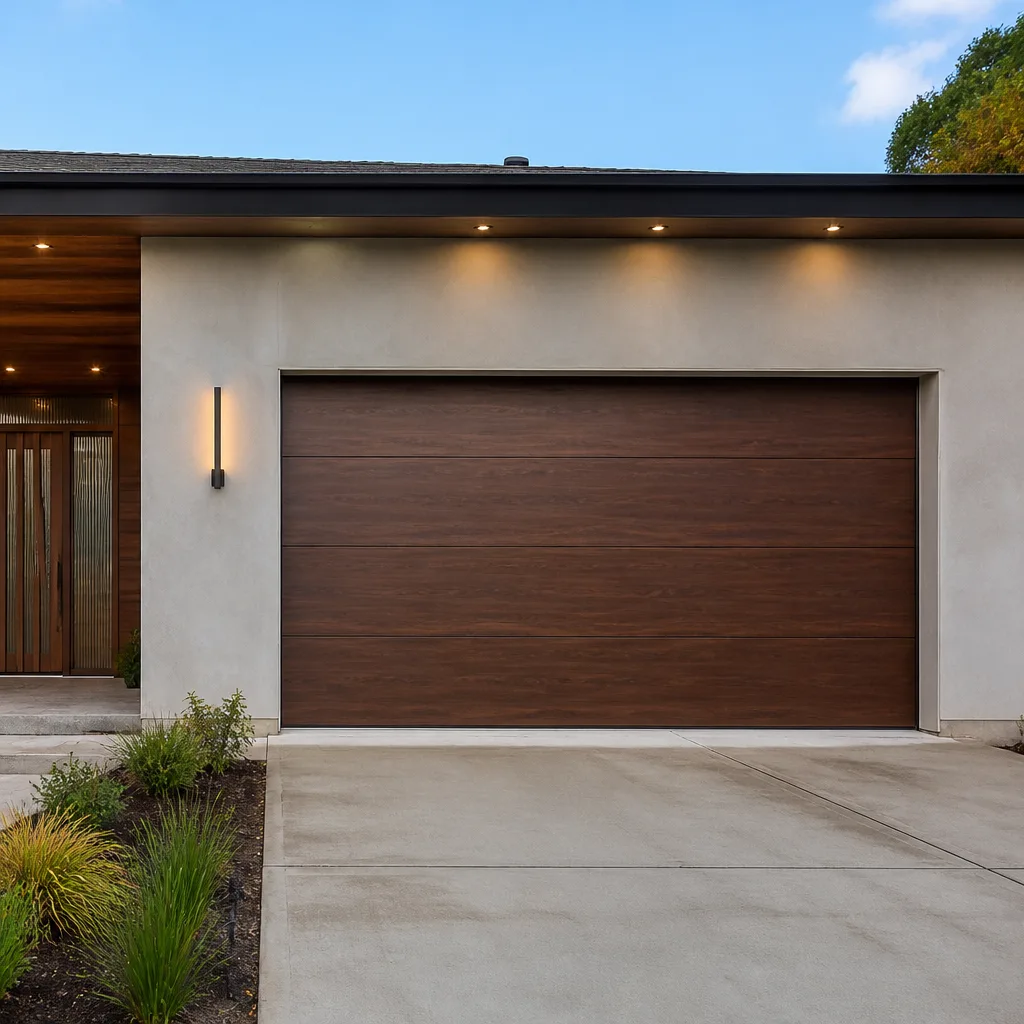 Modern flush
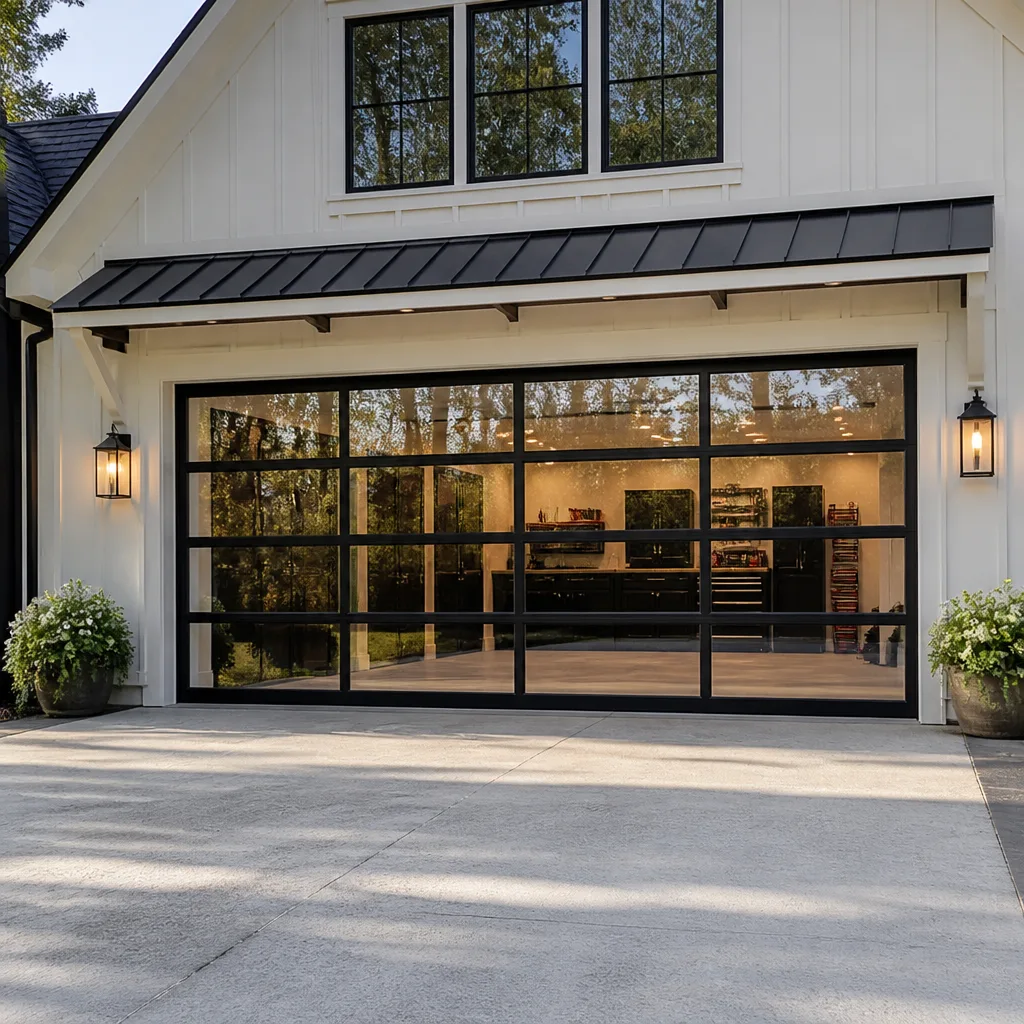 Full-view glass
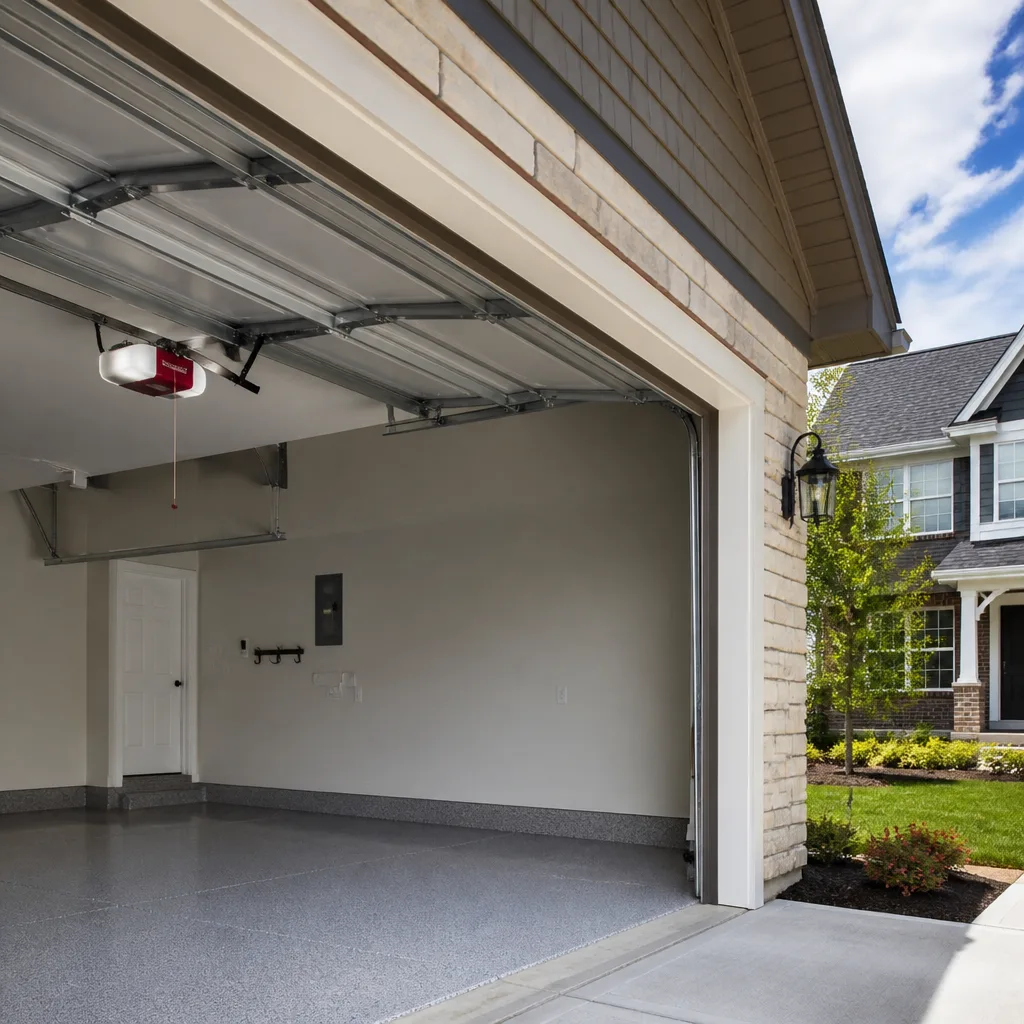 LiftMaster openers
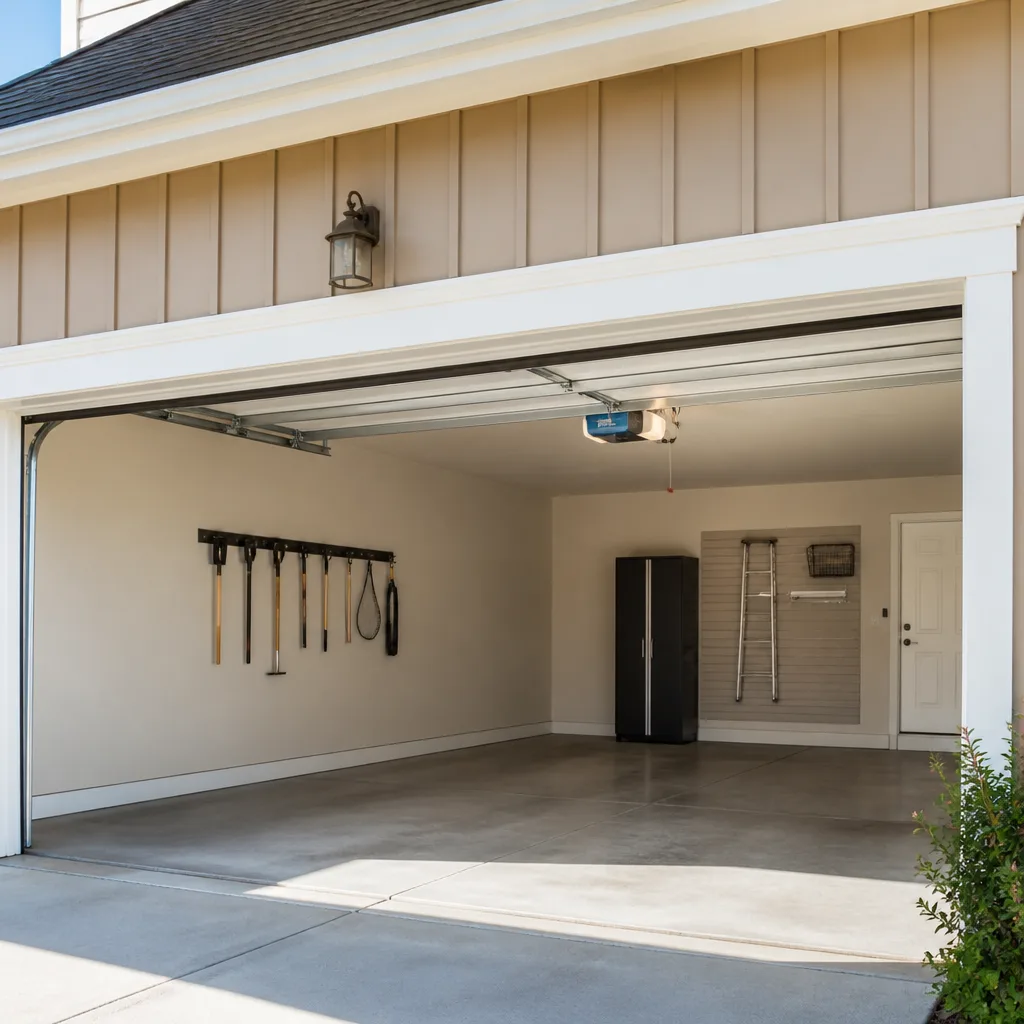 Chamberlain openers
Full 25-point door and opener safety check with every visit - springs, cables, rollers, tracks, and your LiftMaster or Chamberlain opener included
You get a price before we start. It does not change when the pro arrives.
Get your free estimateThe Complete Guide to Garage Doors in Morgantown
Most homeowners in Morgantown think about their garage door exactly twice: the day they buy the house and the day it stops working. That’s a mistake. Your garage door is the largest moving object in your home, and it runs through a full open-and-close cycle several times a day. Over a year, that adds up to roughly 1,500 cycles, and every one of them puts wear on springs, cables, rollers, and the opener. In Morgantown’s freeze-thaw climate, that wear shows up faster than most people expect, and it shows up on a schedule you can actually predict. This guide walks you through how the system works, what ages first, how local terrain and weather change the math, and how to tell a cosmetic issue from a safety-critical one. By the end, you’ll know what’s aging on your door right now.
Quick Answer
A garage door is a mechanical system with parts that wear on predictable schedules: springs typically last 7 to 9 years, cables 8 to 10 years, and openers 10 to 15 years. In Morgantown, the freeze-thaw cycle, hill-terrain installs, and road salt from Route 119 speed up that wear. The single most useful thing you can do is learn to read your door’s age and model, then match it against those lifespans so you fix small problems before they become structural ones.
Styles & brands we work with
- Raised-panel steel
- Carriage house
- Modern flush
- Full-view glass
- LiftMaster openers
- Chamberlain openers
Table of Contents
- How a Garage Door Actually Works
- Morgantown Terrain and How It Changes Your Door
- Component Lifespans: What’s Aging on Your System Right Now
- Door Styles and Materials That Hold Up in West Virginia
- How to Read Your Door’s Model and Manufacture Date
- Cosmetic Issues vs. Safety-Critical Failures
- Opener Guide: Legacy vs. Smart-Home Systems
- A Practical Maintenance Schedule
How a Garage Door Actually Works
A garage door looks like one big panel, but it’s really five or six systems working together, and any one of them failing changes how the others behave. Understanding the parts makes every repair conversation shorter and every quote easier to read.
The springs carry the weight. There are two designs: torsion springs mounted on a shaft above the door, and extension springs that run alongside the horizontal tracks. Torsion springs are the standard on most Morgantown homes built in the last few decades. They do most of the work of lifting the door, which means your opener is really just guiding a door that the springs have already mostly lifted.
The cables connect the springs to the bottom of the door. The rollers travel the tracks. The opener pulls and pushes the whole assembly. And the safety sensors at the base of the door tell the opener when something is in the way.
- Springs store the energy to counterbalance the door’s weight
- Cables transmit that energy to the bottom bracket
- Rollers and hinges let the panels articulate as the door curves into the ceiling track
- Tracks guide the door and hold its alignment
- The opener provides the push, not the lift
- Safety sensors reverse the door if something crosses the beam
Once you see the door as a counterbalance system rather than a motorized slab, the repair logic makes sense. A door that feels heavy is usually a spring problem, not an opener problem. A door that jerks or shudders is usually a roller or track issue, not a spring issue. Recognizing which system is misbehaving saves you from paying for the wrong fix, and it’s the first thing we check when a homeowner calls Garage Door Repair Morgantown describing a door that “just feels wrong.”
Morgantown Terrain and How It Changes Your Door
Morgantown is built on hills, and hills change the math on garage doors in ways that flat-terrain guides never mention. Driveways here often slope, and many attached garages sit on a grade below the main floor of the house. That combination affects three things: door sizing, headroom clearance, and opener torque.
Sloped driveways mean the garage floor sits at an angle relative to the street. A door that’s installed square to a sloped apron can bind at the bottom corners, which puts uneven stress on the cables and springs. When we size a replacement door for a hillside home in areas like South Park or the neighborhoods climbing toward the Medical Center, we measure the apron slope, not just the opening. A door that fits the opening but binds on the apron will wear out its hardware years early.
Clearance is the second factor. Attached garages carved into a slope often have low ceilings, which limits which track configuration and which opener will fit. A low-headroom setup needs a different opener rail and sometimes a different spring design to clear the door in the up position.
Torque is the third. A heavier or taller door needs more lifting force, and on hilly lots the door is often oversize relative to a typical flat-lot door. That extra weight is why a builder’s-grade opener can feel underpowered on a hillside install. Matching the opener to the door’s actual weight, rather than the door’s nominal width, is what keeps a Morgantown door running smoothly for years.
Component Lifespans: What’s Aging on Your System Right Now
Every part of your garage door has a predictable service life, and knowing those numbers lets you plan repairs instead of reacting to failures. Here’s the breakdown we use when a homeowner asks what they should budget for next.
- Springs: 7 to 9 years. This is the most common failure point, and the part most homeowners never think about until it snaps.
- Cables: 8 to 10 years. Cables fray and kink near the drum; they rarely fail without warning.
- Openers: 10 to 15 years. Motors weaken gradually, so the failure is usually a slow decline in lifting force followed by a stall.
- Rollers: 5 to 7 years. Nylon rollers last longer than steel; worn rollers are the most common cause of a noisy door.
- Hinges and bottom brackets: 7 to 12 years. Hinges wear at the pivot points and develop slop over time.
- Weather seal: 3 to 5 years. The bottom seal takes the most abuse from West Virginia ice and grit.
If you don’t know your door’s install date, use the house’s build date as a rough proxy and add a few years for the wear Morgantown’s climate adds. A door on its second decade is almost certainly on its second set of springs. If you’re unsure, a professional inspection tells you exactly what’s near end of life rather than what already broke. That’s also the difference between calling us for garage door spring repair before a snap and calling after one, and the first is always the easier conversation.
A note on springs and safety. Torsion and extension springs are under extreme tension even when the door is closed. Adjusting or replacing them yourself is one of the most dangerous things a homeowner can attempt, and it’s not a job for a general handyman either. This is trained, tool-specific work, and we treat it as such.
Door Styles and Materials That Hold Up in West Virginia
Morgantown sits at the edge of a humid continental climate, which means hot, humid summers and cold winters with repeated freeze-thaw cycles. Add the road salt tracked in from Route 119 during the winter, and you have a fairly punishing environment for anything made of steel or wood. Door material and finish matter more here than they do in a milder region.
Steel is the workhorse. A well-finished steel door handles the local climate well, as long as the bottom edge and the panel seams are protected. That’s where salt-laden moisture collects and starts the rust that spreads. Steel doors are the most common choice for Morgantown homes for a reason: they’re durable, they hold up to the humidity, and they hold paint and finish longer than wood.
Wood looks great and demands the most upkeep. Wood doors need to be resealed regularly in this climate, and the bottom rail tends to absorb moisture from the ground. If you love the look, plan on more frequent maintenance.
Aluminum and composite doors resist rust entirely and handle humidity well. Composite doors have come a long way in appearance and are worth a look if you want wood’s look without the upkeep.
When it comes to panel designs, both Clopay and Amarr make models that fit the McMansion-style and traditional styles common in Morgantown subdivisions. The key is choosing a door whose bottom edge and steel gauge are rated for the local moisture, not just the one that matches the listing photo. Ask about the bottom seal and the factory finish; those two details do more for longevity here than the door’s color.
How to Read Your Door’s Model and Manufacture Date
You can usually figure out exactly where your door is in its service life without calling anyone. The information is on labels and stamps in a few predictable spots.
- Check the inside of the door panels. Most manufacturers print or sticker the model number and manufacturing date inside the top or bottom panel. Look for a label near the hinges.
- Check the opener housing. The opener unit has its own label with model number and manufacture date, usually on the side or back of the motor housing.
- Check the spring. Torsion springs often carry a paint stripe or stamp indicating their cycle rating. A spring rated for a certain number of cycles, divided by your door’s daily use, gives you a rough remaining life.
- Cross-reference with the house’s build date. If the door labels are gone, the home’s construction date and any inspection records are the next best benchmark.
Manufacturers stamp an install date on most openers and many door panels; once you have that date, compare it against the lifespans above. A door that’s ten years old and still on its original springs is living on borrowed time, and knowing that lets you choose when to replace rather than waiting for a failure to choose for you.
Cosmetic Issues vs. Safety-Critical Failures
Not every garage door problem is urgent, but some are genuinely dangerous. The trick is telling them apart in plain mechanical terms.
Cosmetic or low-risk:
- Faded paint or scuffed panels
- A slightly noisy door from worn rollers (annoying, but not a failure risk)
- A worn bottom seal that lets in a little air or water
- Minor dents in a single panel that don’t affect travel
Safety-critical:
- A snapped spring: the door will be extremely heavy and can come down hard
- A frayed or kinked cable: cables can whip when they fail
- A door that travels unevenly or binds in the tracks
- Safety sensors that don’t reverse the door
- Any door with a broken or sagging bottom bracket
A snapped spring or a frayed cable is not a wait-and-see problem. The door is holding a huge amount of stored energy, and the safe move is to stop using the door and get it looked at by someone trained in spring and cable work. Cosmetic damage can wait for a convenient time; a safety-critical failure should get a call the same day. That distinction is the heart of good garage door ownership in Morgantown, and it’s why we treat spring and cable work as its own disciplined service line rather than an add-on.
Opener Guide: Legacy vs. Smart-Home Systems
Openers fall into two broad camps: the legacy units (Genie and Craftsman among the most common) and the modern smart-home units (Chamberlain and LiftMaster, both of which support app-based control). Which one you have changes what “repair” means.
Legacy openers are simple, mechanically robust, and often repairable for years beyond their nominal lifespan. When a Genie or Craftsman unit fails, it’s usually the logic board, the drive gear, or the safety sensor circuit, and each of those is a discrete, fixable part. The mistake is assuming an older opener needs full replacement when a single component has failed.
Smart-home openers add a connected layer: Wi-Fi control, app integration, and in some cases a camera or a built-in battery backup. When these act up, the issue is often the network module or the app pairing rather than the motor, and getting them working again requires understanding the connected ecosystem, not just the mechanics.
Whether your opener is a legacy Genie or a newer Chamberlain, the right repair comes from knowing the specific system. That’s why our garage door opener repair work starts with identifying the model and its failure mode rather than guessing at a generic fix. We work on your brand so the diagnosis is precise the first time.
A Practical Maintenance Schedule
You don’t need to be mechanically inclined to keep a garage door healthy. A short, consistent maintenance routine prevents most failures and catches the rest early. Here’s a schedule that works for most Morgantown homes.
- Monthly: Test the safety sensors by placing an object in the door’s path and confirming it reverses. Listen for new noises or grinding.
- Monthly: Visually check the springs, cables, and bottom brackets for obvious damage or fraying.
- Seasonally: Clean and lubricate the rollers, hinges, and springs with a proper garage door lubricant (not WD-40). Wipe down the bottom seal, especially after winter salt exposure.
- Annually: Have the door professionally inspected, particularly if it’s more than seven years old. A trained eye catches subtle cable wear and track misalignment that are easy to miss.
- After any storm or hard winter: Check the tracks for debris, and test the full open-and-close cycle by hand.
Morgantown’s freeze-thaw cycle is the reason seasonal maintenance matters here. Every freeze expands moisture in small gaps; every thaw lets it drain. That cycling loosens hardware and stresses seals. A quick seasonal check heads off most of the trouble before it starts, and it keeps the biggest moving part of your home running the way it was designed to.
Common Mistakes to Avoid
- Treating a door problem as an opener problem. If the door feels heavy, it’s usually a spring or balance issue, not the motor. Replacing the opener without fixing the spring wastes money and leaves the real problem in place.
- Ignoring small noises. Grinding and squealing in a garage door are the early warning of roller and hinge wear. In Morgantown, the noise often shows up first after a hard freeze. Greasing or replacing the worn parts early prevents bigger repairs later.
- Assuming all springs are the same. Springs are rated by cycle count and door weight. Putting a cheap, low-cycle spring on a heavy Morgantown hillside door means you’ll be replacing it again soon. Match the spring to the door, not to the lowest price.
- Letting road salt sit on the bottom edge. Salt from Route 119 collects on the bottom rail and seal and starts rust and rot. Wiping it down periodically is a two-minute habit that adds years to the door.
- DIY spring or cable work. This is the mistake with real injury risk. Those parts are under extreme tension, and a wrong move can cause serious harm. Leave them to trained technicians.
- Skipping the professional inspection. Homeowners often wait until something breaks. An annual inspection while the door is still working catches failing parts on your timetable, not the door’s schedule.
- Buying a door on looks alone. The best-looking door on your block won’t last if it isn’t rated for the local humidity and terrain. Check the steel gauge and finish, not just the color.
See the difference
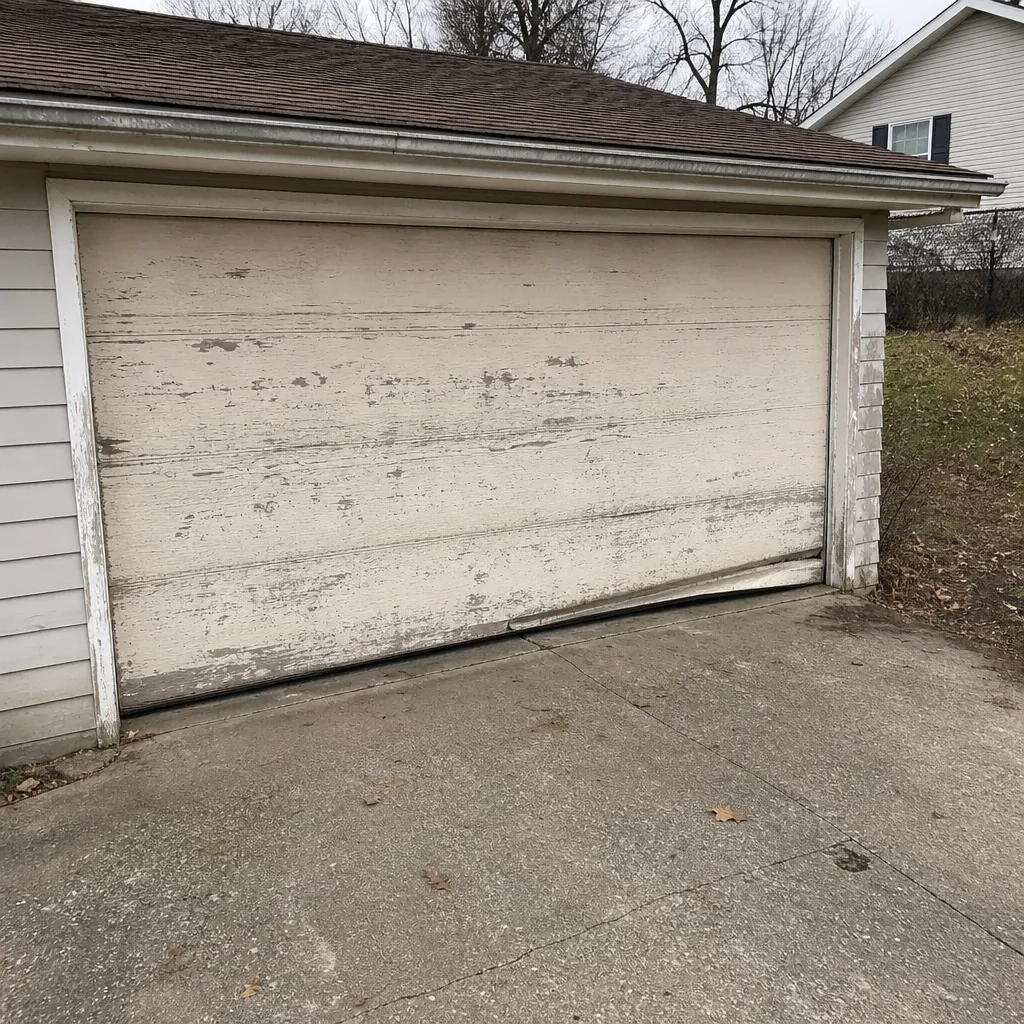 Before
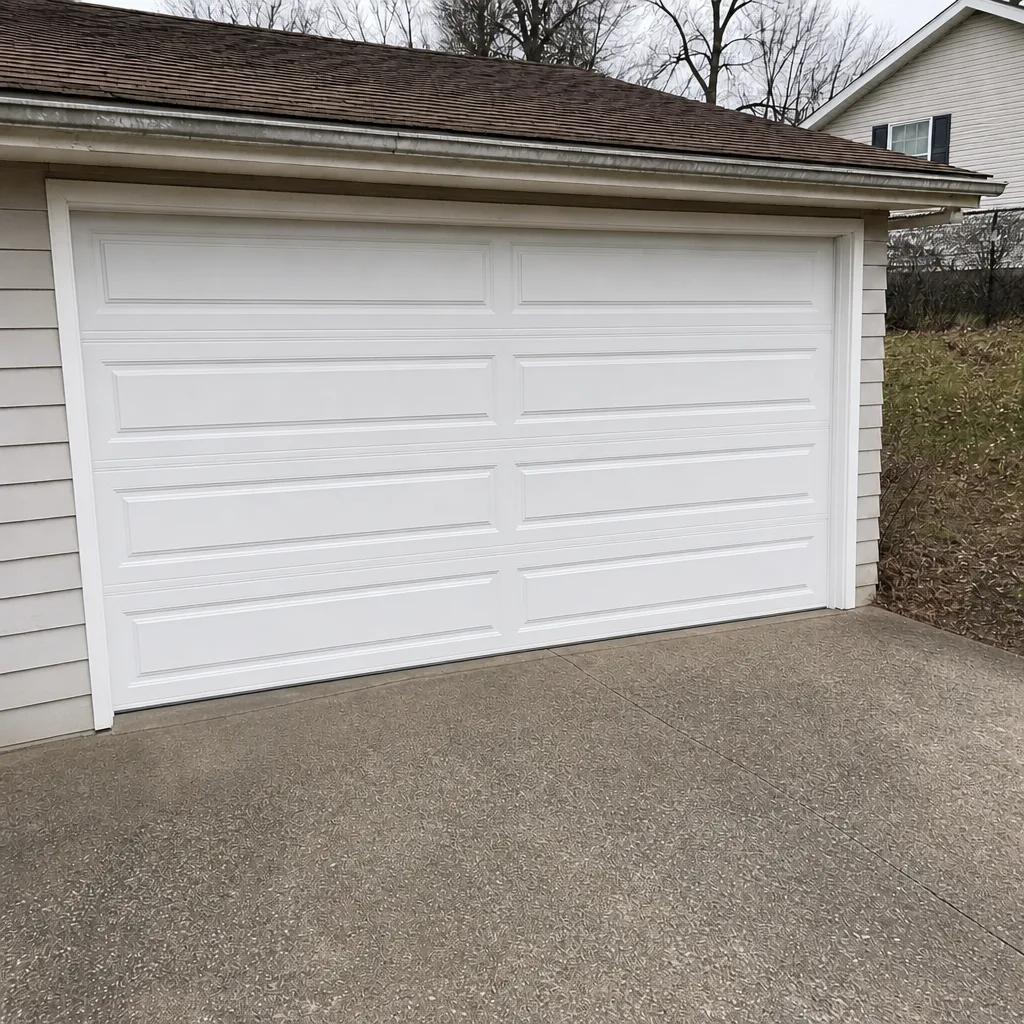 After
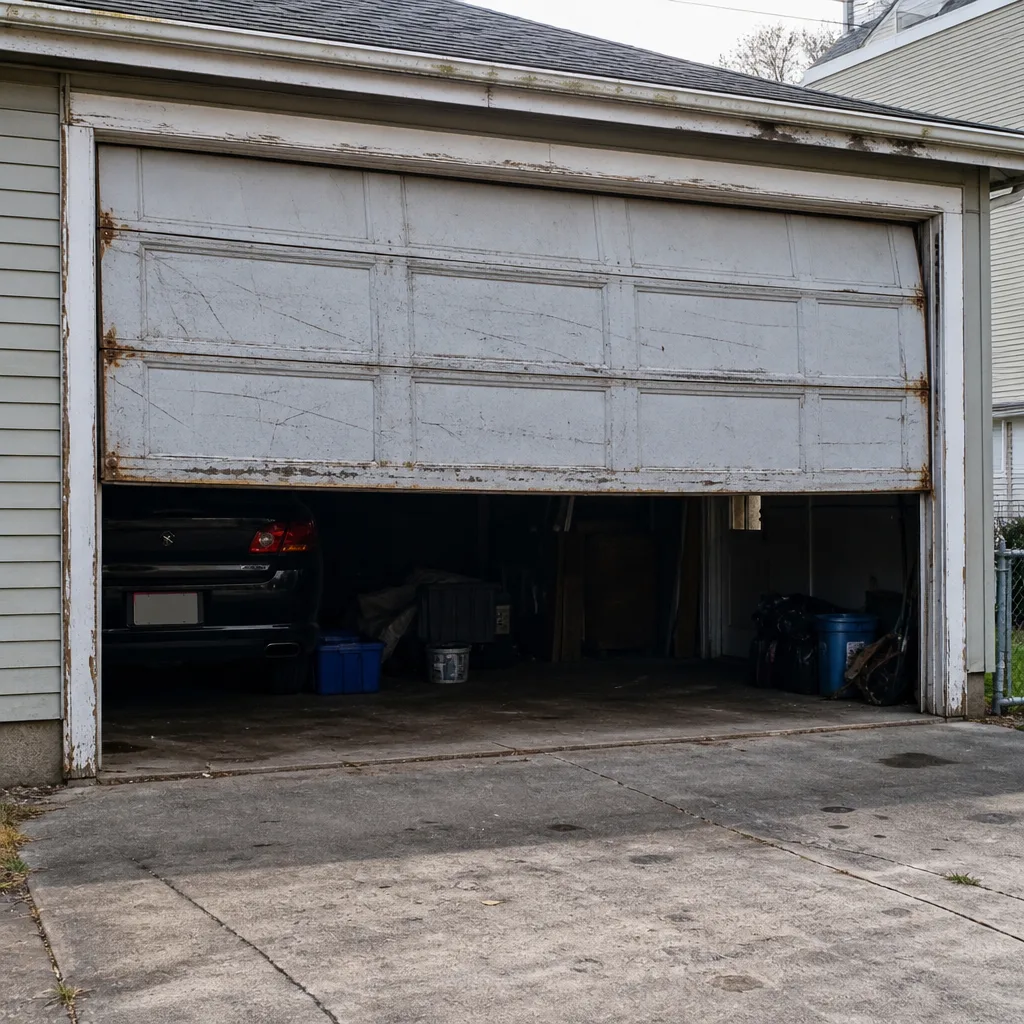 Before
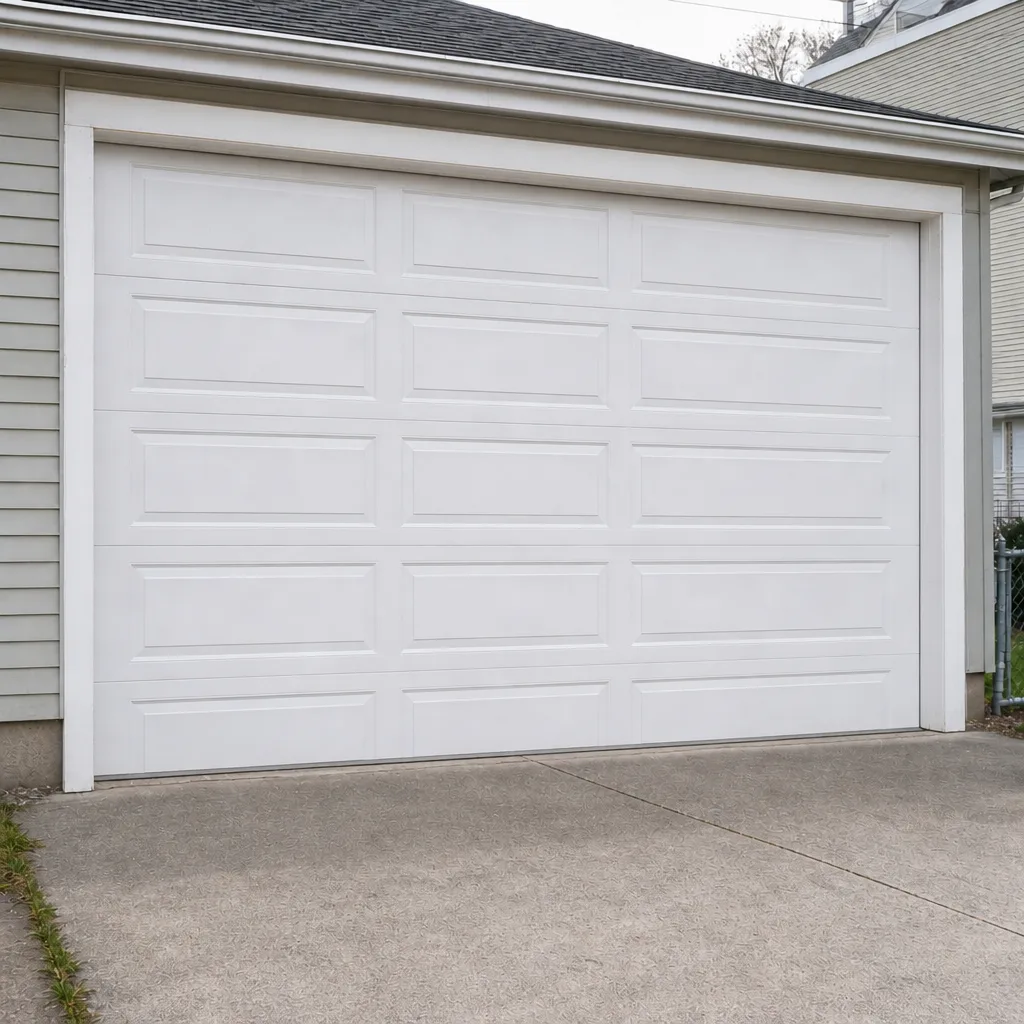 After
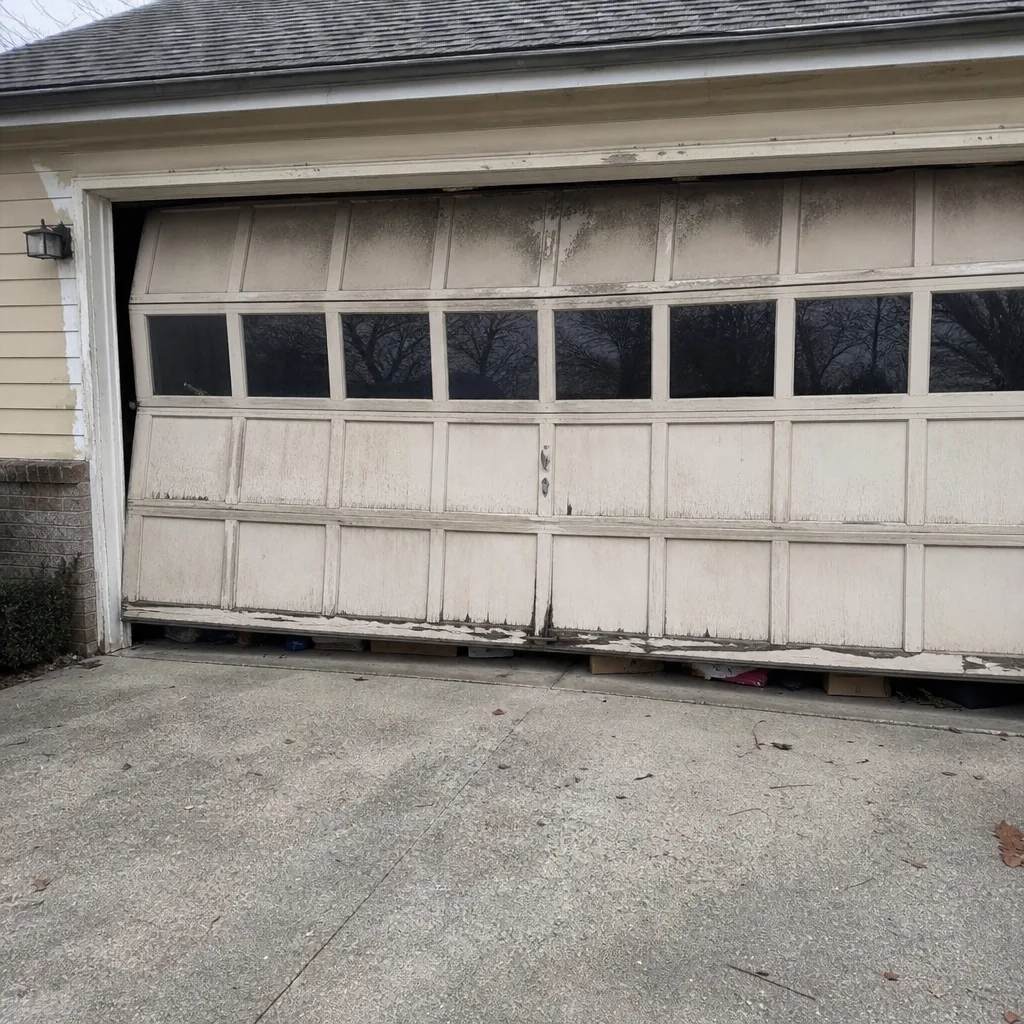 Before
 After
When to Call a Professional
Some garage door issues are genuinely urgent, and knowing when to stop using the door and call a professional is the most important skill in this guide. Call right away if a spring has snapped, a cable is frayed or hanging loose, the door is sagging or binding in the tracks, the safety sensors won’t reverse the door, or the door comes down too fast. These are all safety-critical, and running the door in that condition risks injury or further damage. For those, Garage Door Repair Morgantown offers free estimates in Morgantown, and we answer 24/7, with fast dispatch from 7am to 7pm. Call (844) 625-7628. Forcing a broken door to run “just once more” is how small failures turn into structural ones, so when the door tells you it’s in trouble, listen and get it looked at.
Frequently Asked Questions
Garage door springs in Morgantown typically last 7 to 9 years, and often the shorter end of that range on hillside doors or doors that run several times a day. The freeze-thaw cycle and the extra weight on larger openings both speed up wear. If your door is in its second decade and still on original springs, plan on replacement before a failure catches you. Call (844) 625-7628 for a free estimate on spring replacement.
Torsion springs sit on a shaft above the door and are the standard on most modern Morgantown homes; extension springs run along the horizontal tracks and are more common on older installs. Torsion systems tend to last longer and fail more safely, which is why they’re preferred. Both carry the door’s full weight and need trained handling. We work on both, and we’ll tell you which one your door has when we look at it.
Yes, same-day service is available for repair calls, and a door that won’t close is a priority because it leaves the home unsecured. We answer 24/7, with fast dispatch from 7am to 7pm, Sunday through Friday. A call outside dispatch hours gets booked into the next opening. Call (844) 625-7628 and we’ll get you on the schedule.
No. The price is quoted and agreed before any work starts, and the written estimate sets the final price. We don’t surprise you with an invoice bigger than the quote. If the job turns out to need more than expected, we tell you before we touch anything. Call (844) 625-7628 for a free estimate.
The local professionals we connect you with are licensed and insured as their state requires. Our technicians have up to 15 years of experience, including spring and cable work, which is the most safety-critical part of the job. We work on the major brands including Chamberlain, Genie, Clopay, and Amarr, so most Morgantown homes are covered on the first visit.
A heavy-feeling door usually means the springs have lost tension or one has broken, so the opener is doing work the springs should be doing. It’s a sign of a balance problem, not necessarily an opener problem. Don’t keep running the door on a failed spring, because it strains the opener and the cables. Call (844) 625-7628 for a diagnosis and a free estimate.
The Bottom Line
Your garage door is a mechanical system with predictable lifespans, and in Morgantown’s climate and hills, that predictability matters more than most homeowners realize. Springs go first (7 to 9 years), then cables (8 to 10), then openers (10 to 15). Knowing your door’s age and model lets you plan replacements on your schedule instead of reacting to a snap. Choose door materials rated for local humidity and road salt, keep up with seasonal maintenance, and treat a heavy or binding door as a safety issue, not a nuisance. Whether you need garage door repair or a full new installation, a free estimate is the place to start. Call (844) 625-7628. We answer 24/7. Fast dispatch from 7am to 7pm, Sunday through Friday.
Written by the team at Garage Door Repair Morgantown.