
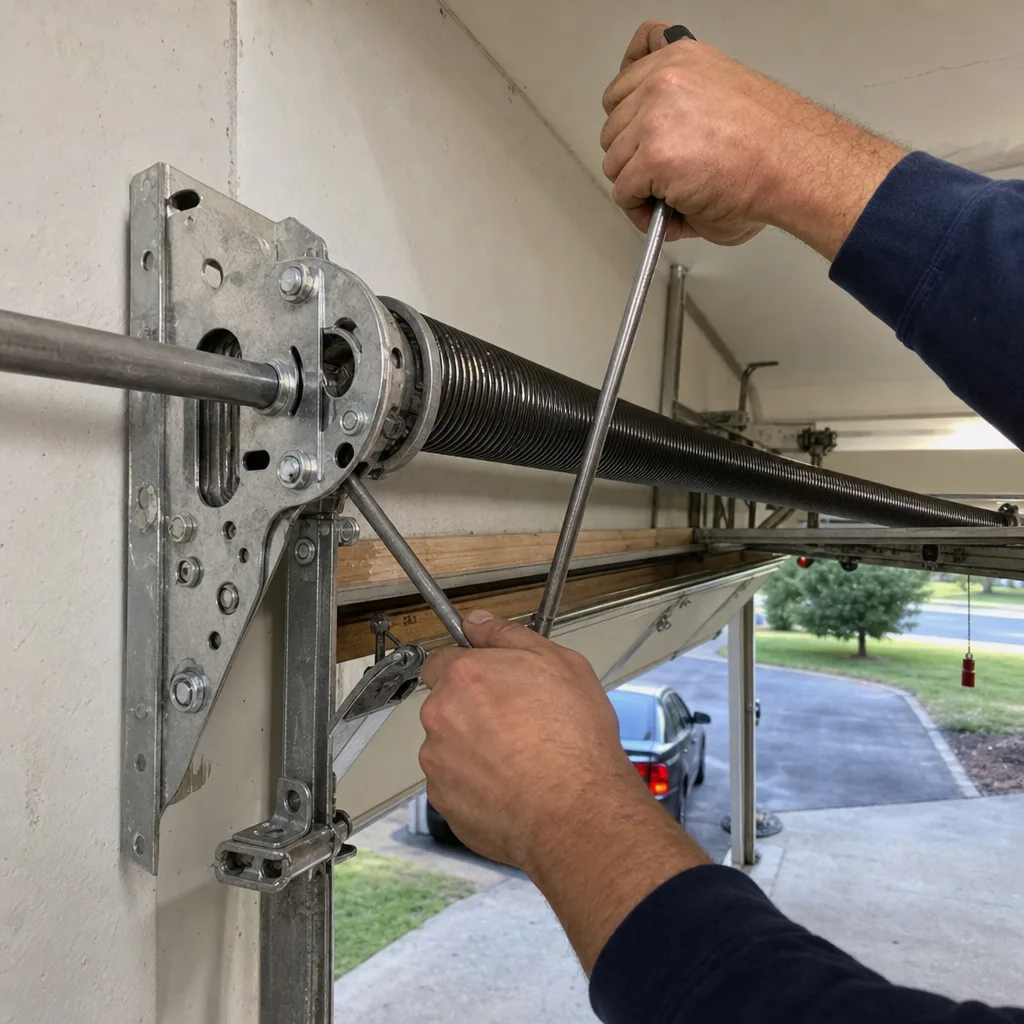
Last updated November 23, 2026
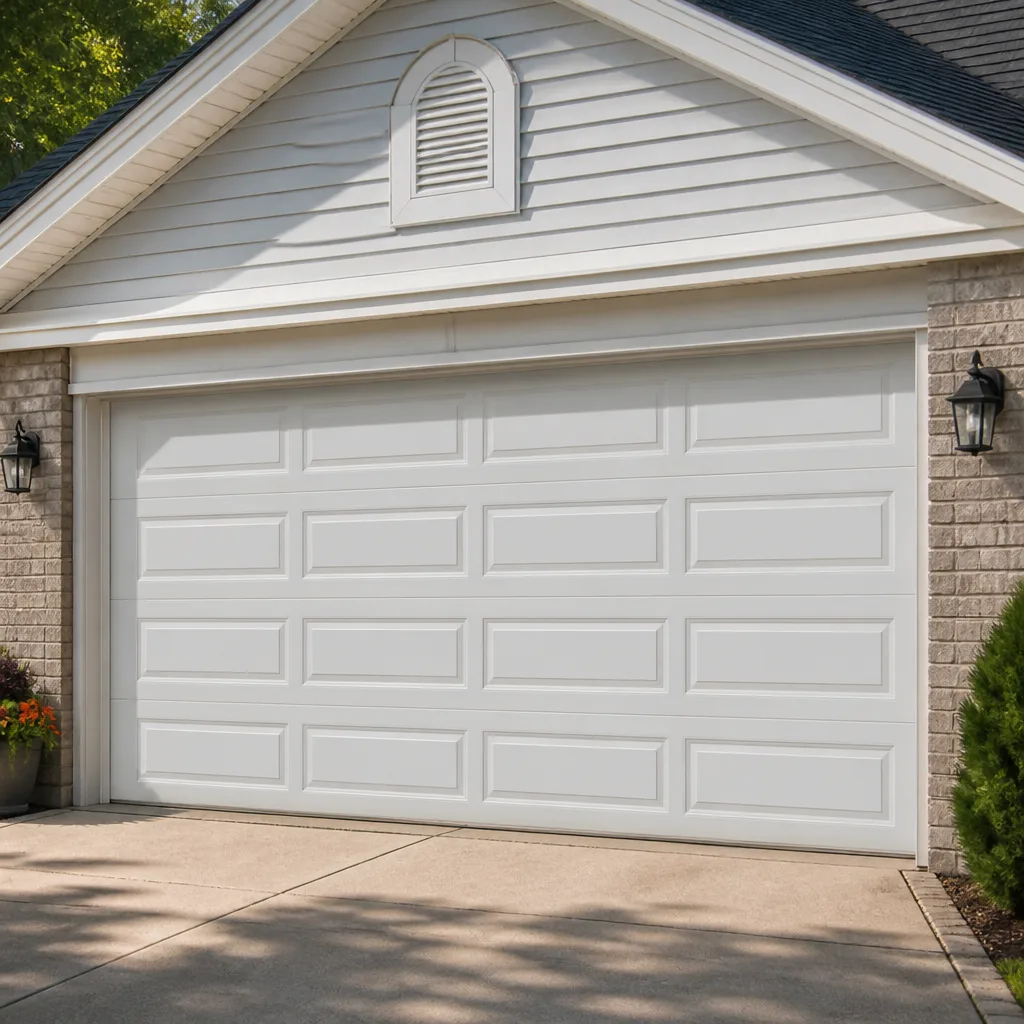 Raised-panel steel
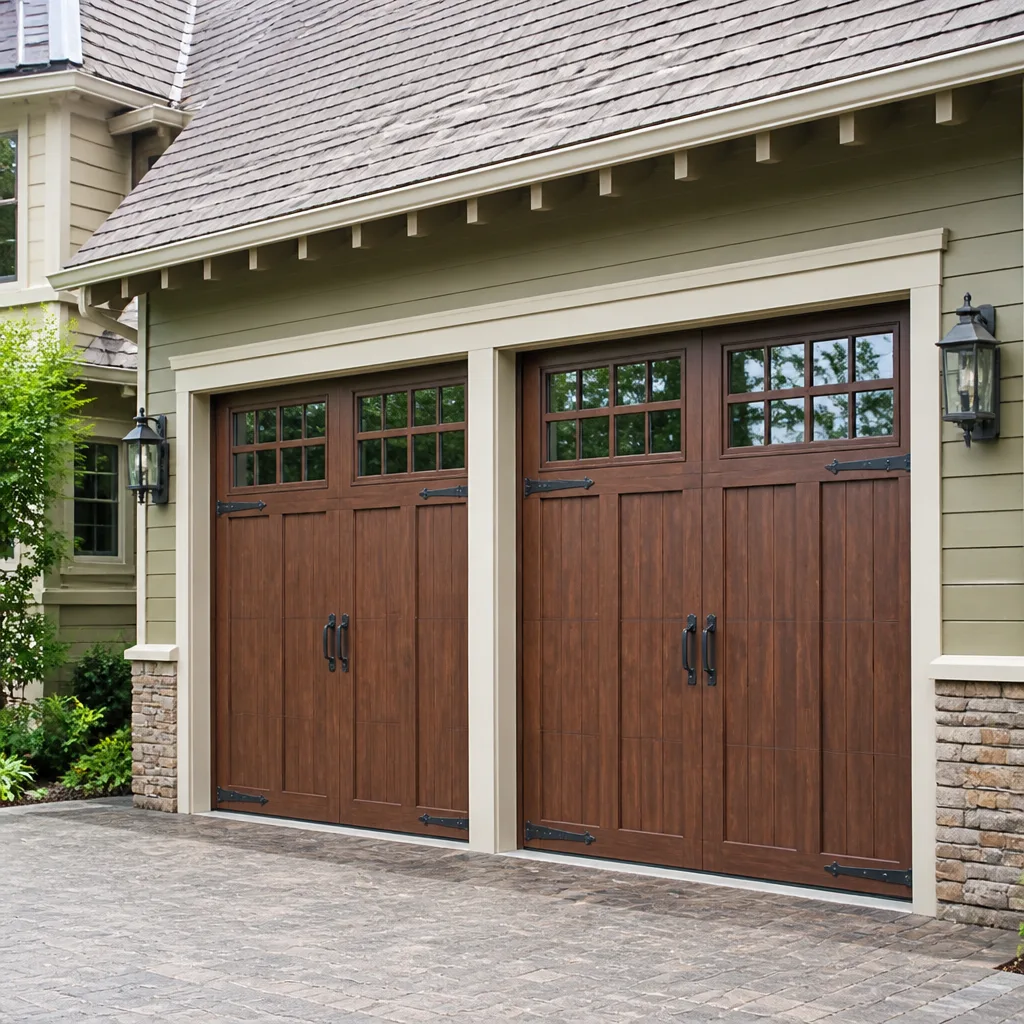 Carriage house
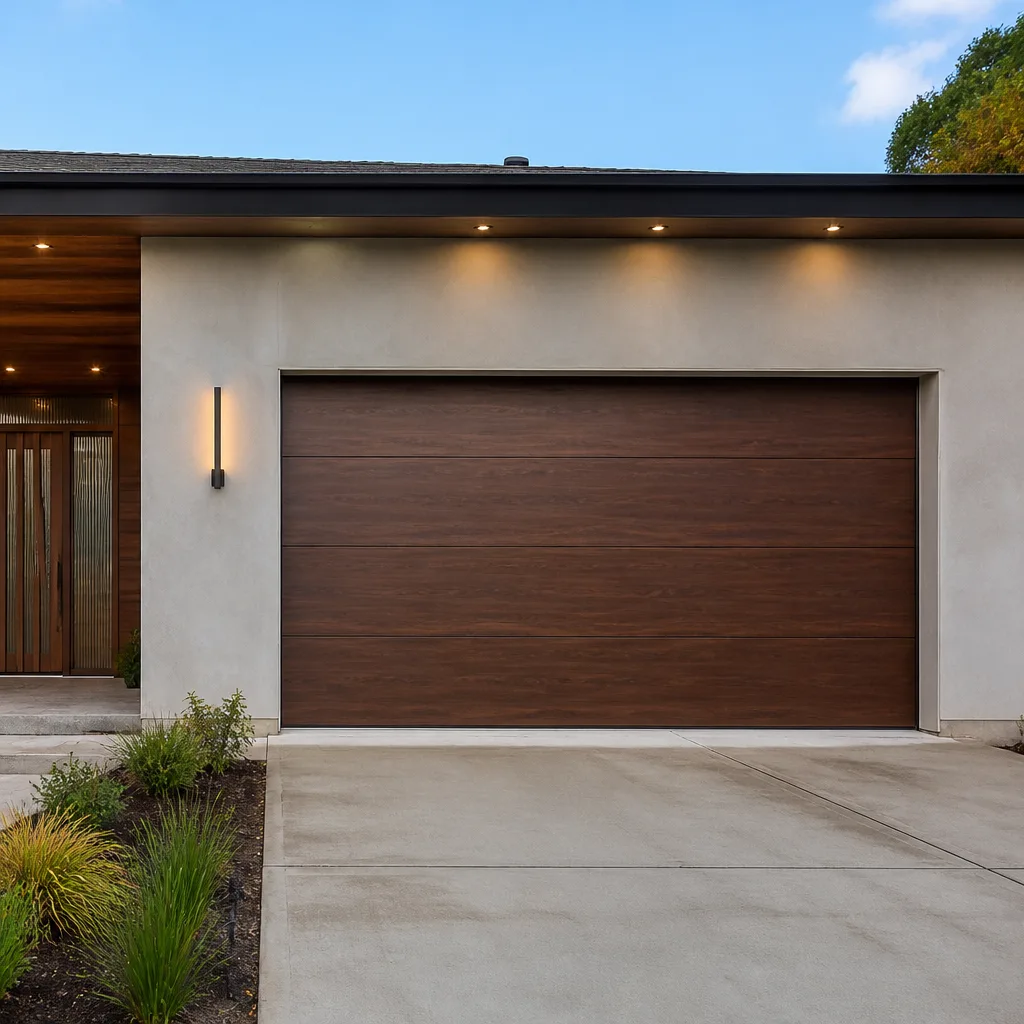 Modern flush
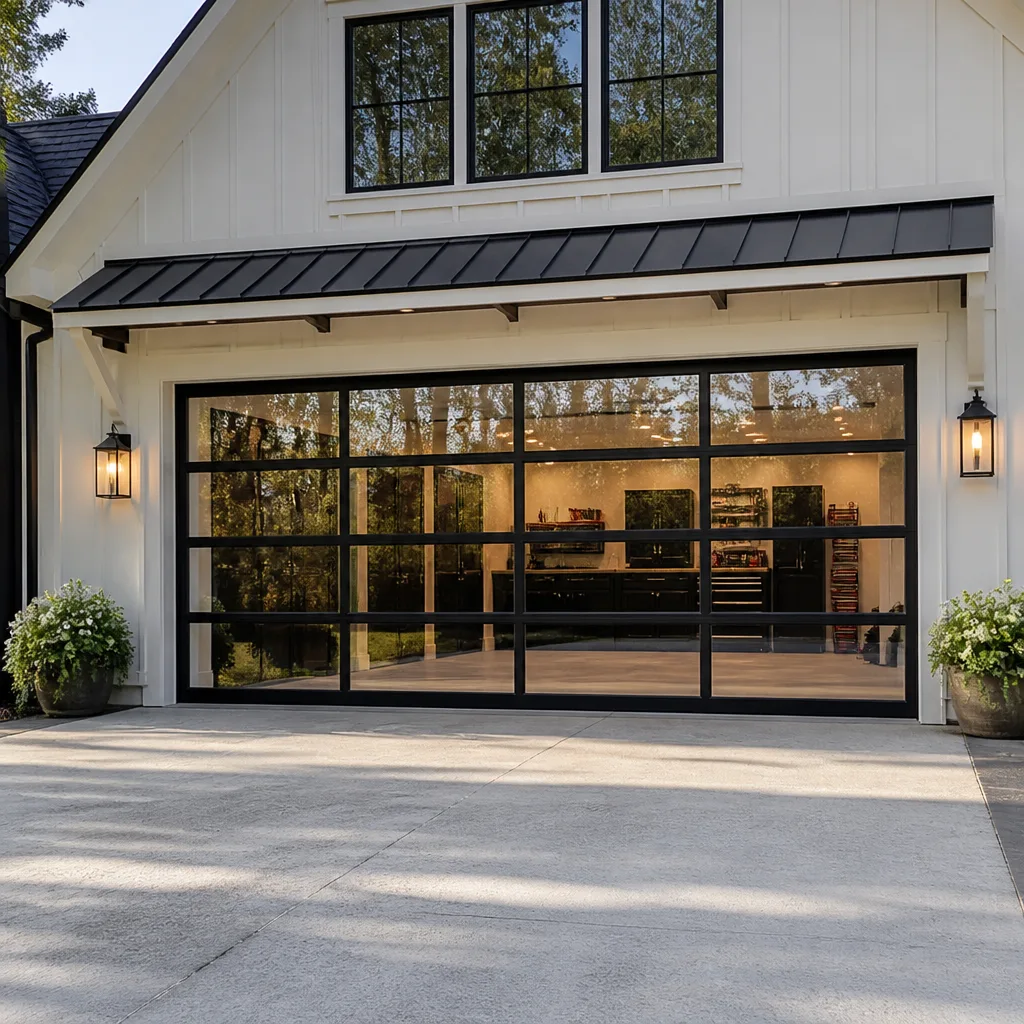 Full-view glass
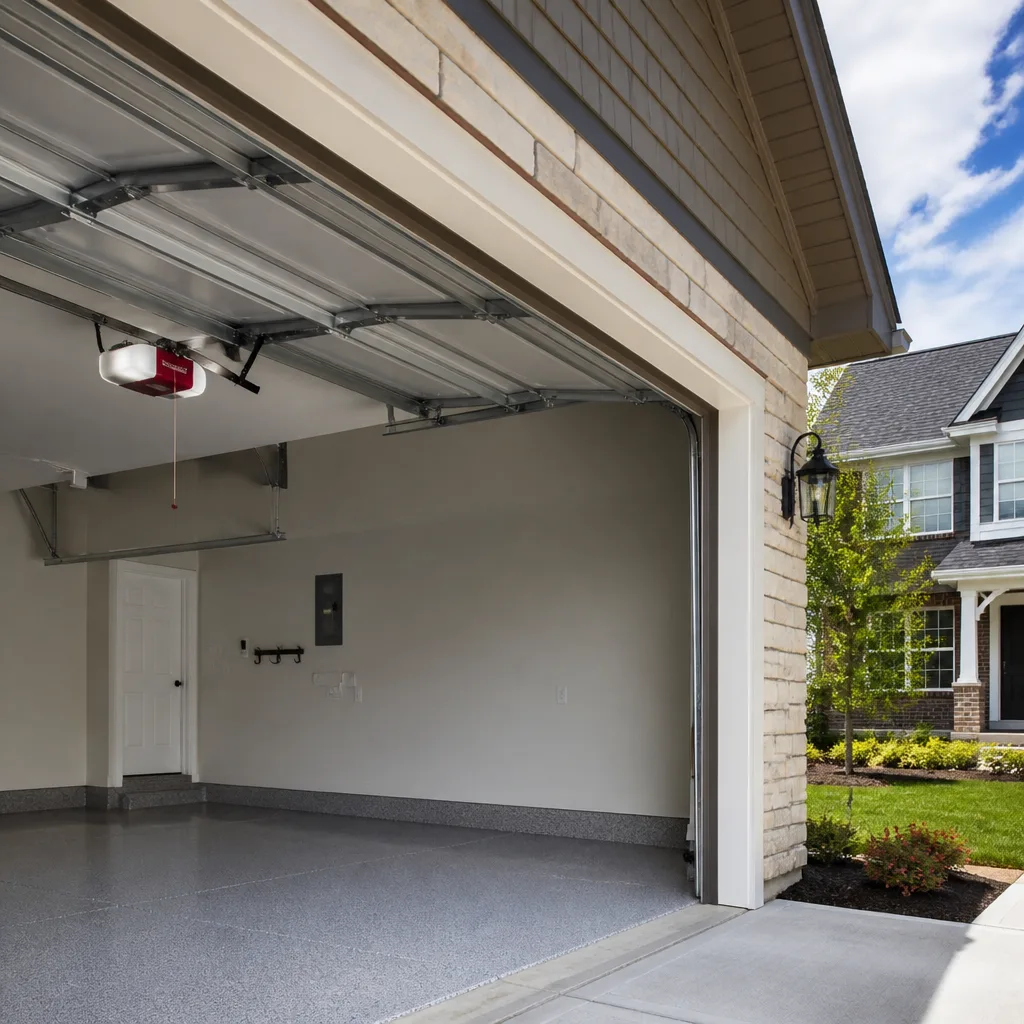 LiftMaster openers
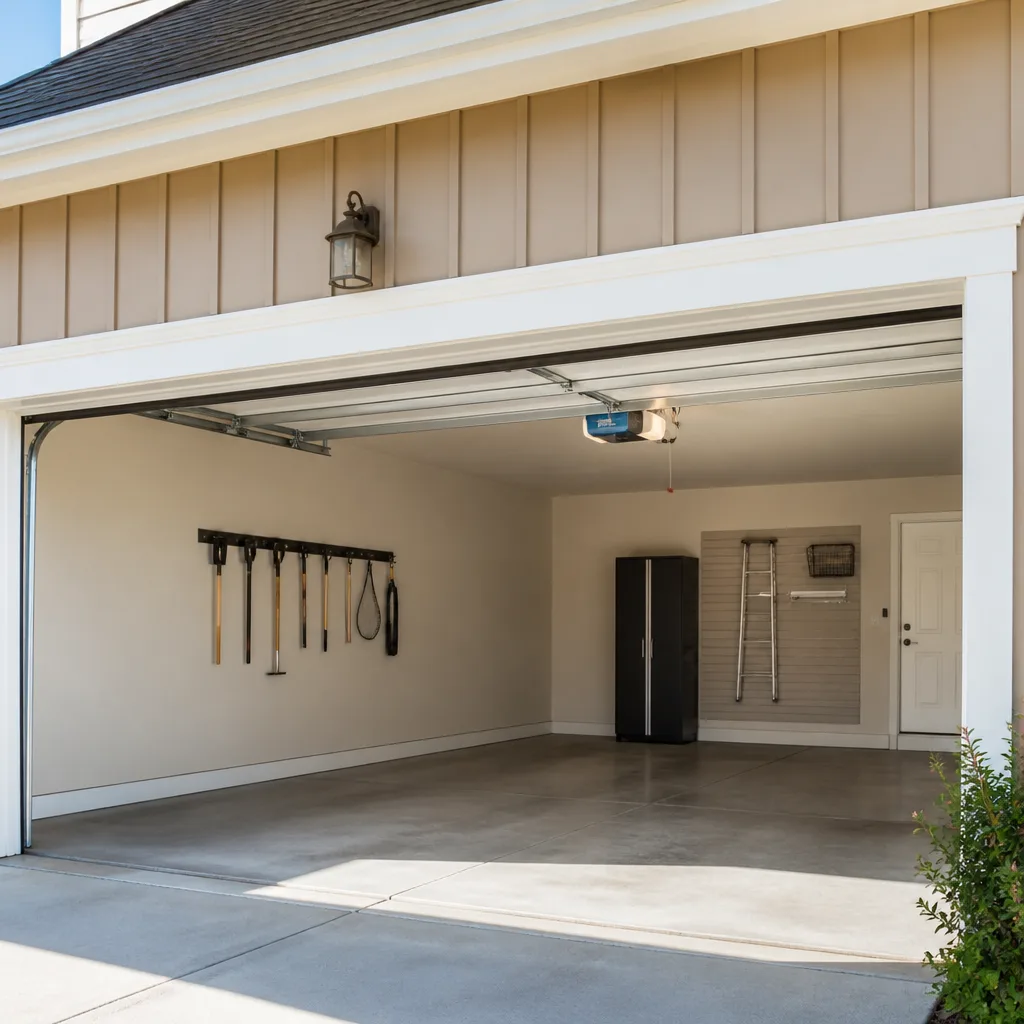 Chamberlain openers
Full 25-point door and opener safety check with every visit - springs, cables, rollers, tracks, and your LiftMaster or Chamberlain opener included
You get a price before we start. It does not change when the pro arrives.
Get your free estimateChoosing the Right Garage Door Brand: A Buyer’s Guide for Morgantown
Most homeowners pick a garage door by walking through a showroom and pointing at the one they like. Then they spend the next decade discovering that the beautiful door they chose uses a track profile nobody stocks, or that the opener the installer paired with it is a model the manufacturer quietly discontinued. Brand shopping should start somewhere else entirely: with who will fix the thing when it breaks, and how far they’ll have to drive to get the part. This guide walks through what actually matters in Morgantown – parts availability, how each material handles our freeze-thaw cycles, insulation ratings matched to real heating costs, and how to read a warranty the way the manufacturer’s lawyers wrote it rather than the way the brochure sells it.
Quick Answer
The right garage door brand for a Morgantown home is the one with a service network inside Monongalia County, a material that survives repeated freezing and thawing, and a warranty you’ve actually read. For most homes here that means a steel door from Clopay or Amarr in the 24 to 27 gauge range, paired with a LiftMaster or Chamberlain opener. Style is the last decision, not the first.
Styles & brands we work with
- Raised-panel steel
- Carriage house
- Modern flush
- Full-view glass
- LiftMaster openers
- Chamberlain openers
Table of Contents
- Which Brands Have Service Coverage Near Morgantown?
- How Do Door Materials Hold Up in West Virginia Weather?
- Does R-Value Actually Pay Off in Morgantown?
- How to Read a Garage Door Warranty
- Matching an Opener to Your Door Brand
- What Brand and Style Choices Do for Resale in Morgantown?
- A Step-by-Step Process for Choosing
- What Ongoing Care Each Brand Type Needs
Which Brands Have Service Coverage Near Morgantown?
The single most overlooked factor in brand selection is who can get parts for it without ordering from three states away. A carriage-house door in an obscure imported line might photograph beautifully, but if the nearest stocking dealer sits in Pittsburgh, a broken hinge can ground your door for a week while you wait on a shipment. In our experience, that’s the gap between a brand that works for a Morgantown home and a brand that looks good on paper.
Morgantown sits far enough from the big metro service networks that brand choice has real practical weight. Pittsburgh is roughly 75 miles north, and dealers there won’t routinely send a crew across the state line for a track adjustment. So the brands that make sense here are the ones with broad enough distribution that independent technicians can source common components quickly.
Here’s how the major lines break down by practical serviceability in the Morgantown area:
- Clopay and Amarr – Widely distributed through building supply channels, so panels, hinges, rollers, and weather seals are usually a phone call away. Strong choice for a steel door you intend to keep for years.
- Wayne Dalton – Common in older Morgantown neighborhoods and generally serviceable, though some models use proprietary hardware that takes a little longer to source. Worth confirming before you commit to a specific model.
- CHI – A smaller manufacturer with a loyal following for carriage-style doors, but local parts access is thinner than the big national lines. Ask pointed questions about who stocks their panels.
- LiftMaster and Chamberlain – Opener brands, not door brands, but they’re the most widely serviced openers in the region and pair cleanly with almost any door. Good default for a house you plan to sell.
Our own team works on LiftMaster, Chamberlain, Genie, Clopay, Amarr, Wayne Dalton, Craftsman, and Raynor, which covers the overwhelming majority of what’s bolted to the ceiling of area garages. When you’re vetting any installer, ask them the same question in reverse: which lines do you not work on? If the answer is vague, that tells you something. If you’re weighing a repair instead of a replacement on an existing door, our garage door repair page covers what’s typically involved.
How Do Door Materials Hold Up in West Virginia Weather?
Morgantown’s climate does things to garage doors that a catalog photo never shows. We get repeated freeze-thaw cycles through winter, humid summers, and enough seasonal swing that materials expand and contract noticeably over the course of a year. The door you buy needs to tolerate all of that without warping, delaminating, or shedding its finish. Material choice matters more here than in a mild coastal climate, and it matters more than most homeowners realize.
Here’s the practical breakdown:
- Steel (24 to 27 gauge) – The workhorse choice for this area. Lower gauge numbers mean thicker steel, so a 24-gauge door is meaningfully more dent-resistant than a 27-gauge one. Steel handles freeze-thaw well; the vulnerability is dents and, eventually, rust at the bottom edge where road salt and snowmelt collect. Rinse that bottom section occasionally and it’ll last.
- Composite wood – Looks convincing and holds up far better than real wood in humidity, but quality varies wildly between manufacturers. Cheap composites can swell at seams after a few wet seasons. If you’re going composite, check how the panels are joined.
- Real wood – Beautiful and period-appropriate for older homes, but it demands annual sealing and painting. West Virginia’s humidity will punish you for skipping a year.
- Aluminum – Light, rust-proof, and it won’t warp in freeze-thaw. The tradeoff is dents: aluminum panels deform more readily than steel and are harder to repair cleanly. Fine for a low-traffic door, less ideal for a busy family driveway.
For most Morgantown homes, steel in the 24 to 25 gauge range hits the best balance of durability, insulation capacity, and price. If your existing door has taken damage from a winter storm or a backed-in car, spring and structural repairs fall under garage door spring repair and general repair work rather than replacement, and it’s worth getting an opinion before you assume you need a new door.
Does R-Value Actually Pay Off in Morgantown?
Insulation is the most over-sold feature on residential garage doors and, oddly, also the most under-explained. R-value measures how well a door resists heat flow, and it only delivers real value in specific circumstances. Whether the upgrade pays off in Morgantown depends on whether your garage is attached and heated, attached and unheated, or detached.
Here’s how to think about it:
- Attached garage with a room above or beside it. This is where insulation earns its keep. An attached garage shares walls with conditioned space, and an uninsulated door is a cold hole in your home’s thermal envelope. Upgrading from a non-insulated door to one in the R-10 to R-16 range is a sensible spend. Higher ratings exist, but the marginal gain on a garage door gets thin past that point.
- Attached garage with nothing living above it. Insulation still helps – it keeps the garage warmer in winter, which protects stored items and reduces condensation – but the energy savings are modest. Choose it for comfort, not for payback.
- Detached, unheated garage. Insulation delivers almost no energy benefit here. Spend the money on a thicker steel face instead; it does more for durability.
- Any garage used as a workshop or exercise space. Insulation plus a well-sealed perimeter makes the space usable in colder months. Pair it with a properly weather-stripped frame.
One point that gets misfiled: the door’s R-value is only as good as the seal around it. A high-R door with worn weatherstripping and a gappy bottom seal underperforms a modest door that fits tight. When you buy, ask what’s included for sealing the perimeter and the threshold.
If your current opener struggles with a heavier insulated door, that’s a common problem. Opener capacity and door weight need to match, and our garage door opener repair team can confirm whether your existing unit is up to the load or needs upgrading.
How to Read a Garage Door Warranty
“Lifetime” in garage door marketing rarely means what a homeowner assumes. It usually means the lifetime of a specific component, measured against a spec nobody reads, with exclusions that cover exactly the failures most likely to happen. A warranty is a legal document with a marketing budget, and it rewards careful reading.
Work through the document in this order:
- Find the covered components. Warranties usually split into sections for the door sections themselves, the hardware (hinges, rollers, track), the finish or paint, and sometimes the spring system. Each gets its own term. A door advertised with a “lifetime warranty” might have lifetime coverage on the steel sections but only a few years on the hardware.
- Check the term per section. Terms vary by component. Read each one; don’t skim for the word “lifetime.”
- Read the exclusion list carefully. Common exclusions: damage from impact, dents, improper installation, missing maintenance, corrosion from road salt, and modifications. Some warranties also exclude labor entirely.
- Understand who performs the repair. Many warranties only honor claims if the work is done by an approved or dealer-authorized installer. Ask whether your chosen installer qualifies, or you may be paying out of pocket for a “warranty” repair.
- Note the transferability. Some warranties transfer to a new owner; others don’t. If you’re renovating to sell, that matters.
None of this is a reason to skip a good brand; it’s a reason to read before you buy, not after. Bring the warranty document into the conversation when you’re getting an estimate, and ask the person quoting you which sections they’d flag as thin.
Matching an Opener to Your Door Brand
The door and the opener are a system, and mismatching them is the most common cause of poor performance we see on newer installs. A LiftMaster or Chamberlain opener with a properly matched door runs smoothly for years. A generic opener bolted to a door it wasn’t sized for will labor, overheat, and chew through its gear assembly.
Two practical rules apply:
- Match lifting capacity to door weight. A heavier insulated door needs a stronger opener. Most residential doors run comfortably on standard capacity, but if you’re upgrading to a fully insulated steel door, confirm the opener can handle the load before install day.
- Match smart features to the door and home. Wi-Fi-connected openers like LiftMaster’s myQ and Chamberlain’s equivalents work for newer homes with strong Wi-Fi coverage at the garage. Older Morgantown homes with detached or metal-clad garages may struggle with signal reach, in which case a simpler opener does the job more reliably.
If you’re deciding between brands, the practical winners for the Morgantown market are the two major names: LiftMaster and Chamberlain. Both are widely serviced here, both integrate with smart-home systems, and both have broad parts availability. Genie and Craftsman are common on older homes and remain serviceable.
One note on installing a new opener yourself: it’s safer than a door’s torsion spring but still involves a heavy motor overhead, a tensioned belt or chain, and a reversing safety system that must be tested carefully. Getting the safety reverse setting wrong is a real hazard, especially with children or pets in the house. This is work worth having done once and done right.
What Brand and Style Choices Do for Resale in Morgantown?
Brand choice affects resale value, but less through the brand name itself and more through what it signals: how well the door works, how the house reads from the curb, and whether a buyer’s inspector will find problems. A well-made door from a widely serviced brand is easier to sell than an exotic one, simply because buyers know they can get it fixed.
Practical guidance for Morgantown’s housing stock:
- Older homes in established neighborhoods near the university – Carriage-house and raised-panel styles tend to match the surrounding architecture better than modern flush-panel doors. Stay with steel or composite wood mimicking wood grain; real wood is a maintenance commitment buyers may not want.
- Newer construction and suburban stock – A clean raised-panel steel door in a neutral color reads best. Insulation matters here; buyers in newer homes expect a well-sealed garage.
- Homes on larger lots or with prominent street frontage – The garage door is a large share of the curb impression. A modest upgrade in door style can change how the whole facade reads.
Don’t buy the cheapest generic door if you’re likely to sell within a few years; the annualized cost of replacing a bad door is high, and buyers can smell deferred maintenance. Conversely, don’t spend on premium wood if the rest of the house is mid-range steel. Pick a door that matches the home, not one that overshoots it. For a full picture of what a new installation involves, the main Garage Door Repair Morgantown page lays out the service scope.
A Step-by-Step Process for Choosing
Work through these steps in order and you’ll land on a door that serves the house well for years:
- Confirm the local service network first. Ask two or three installers which brands they work on and where they source parts. If a brand isn’t on any of their lists, it’s probably the wrong choice for a Morgantown home.
- Measure the opening and the headroom. A standard 7-foot door in a 16- or 9-foot opening covers most homes. Non-standard sizes limit brand options, so know your dimensions before you shop styles.
- Pick your material based on the garage’s use. Steel for durability, aluminum for low maintenance and light weight, composite for wood appearance without wood upkeep.
- Choose insulation R-value for the specific garage. Attached and heated – go insulated. Detached and unheated – spend the money on gauge thickness instead.
- Read the warranty before you sign. Use the checklist in the warranty section above.
- Match the opener to the door. Confirm the opener’s capacity handles the door’s weight; confirm smart features work for your garage’s Wi-Fi situation.
- Get the installation in writing, with a fixed price. Ask what’s included for sealing the perimeter, disposal of the old door, and testing the reversing safety.
- Schedule regular maintenance. Lubricate hinges and rollers, check the balance of the door annually, and inspect the bottom seal for wear.
What Ongoing Care Each Brand Type Needs
Maintenance needs vary by material more than by brand. Steel doors want periodic cleaning of the bottom section (particularly after winter) and annual lubrication of hinges, rollers, and the spring. Composite doors want a periodic wash and a check for seam separation. Wood doors want annual sealing or painting – skip a year and you’ll see it. Aluminum wants a check for dents and a look at the panel-to-frame connections.
All doors, regardless of brand, need their balance checked annually and a working safety reverse test. If your door has started to move unevenly, stay open, or sound labored, that’s a signal to stop using it and have a professional look. Garage door springs carry stored tension and shouldn’t be touched without training – this is one of the few home jobs where the injury risk is genuinely serious.
For a service that covers repair, spring work, opener service, and installation without you needing to source a second contractor, that’s what we do. Emergency responses matter too, particularly for a door that won’t close when the house is unlocked.
Common Mistakes to Avoid
- Buying on style alone before checking parts availability. A striking door from a brand with no local dealer becomes expensive the first time it needs a panel. Confirm serviceability before you fall in love with the design.
- Assuming “lifetime” means one thing. Lifetime terms differ per component and often exclude the labor. Read the sections separately rather than skimming for the big word.
- Skipping the perimeter seal. An insulated door with a poor seal is roughly a non-insulated door with a higher sticker. The perimeter matters as much as the R-value.
- Putting a light-duty opener on a heavy insulated door. It strains the opener and shortens its life. Match capacity to weight before install.
- Choosing aluminum for a busy driveway. Aluminum dents more easily than steel. On a high-traffic door, steel in a heavier gauge generally outlasts it.
- Buying real wood in a humid climate without a maintenance plan. Wood doors are lovely in Morgantown’s older neighborhoods, but they need resealing annually. Budget for it.
- Ignoring the resale math. Don’t buy a premium door for a mid-range house, and don’t buy a bargain door for a home you’ll sell soon. Match the home.
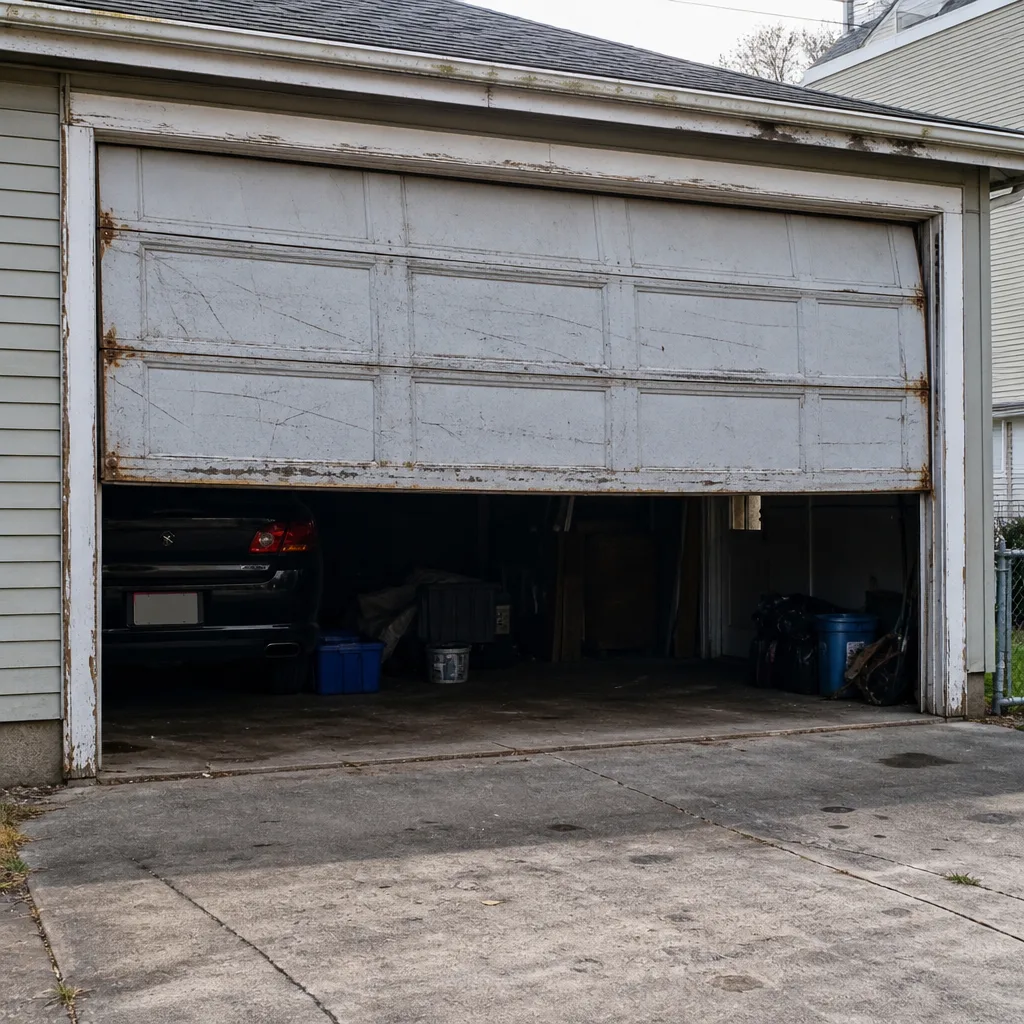
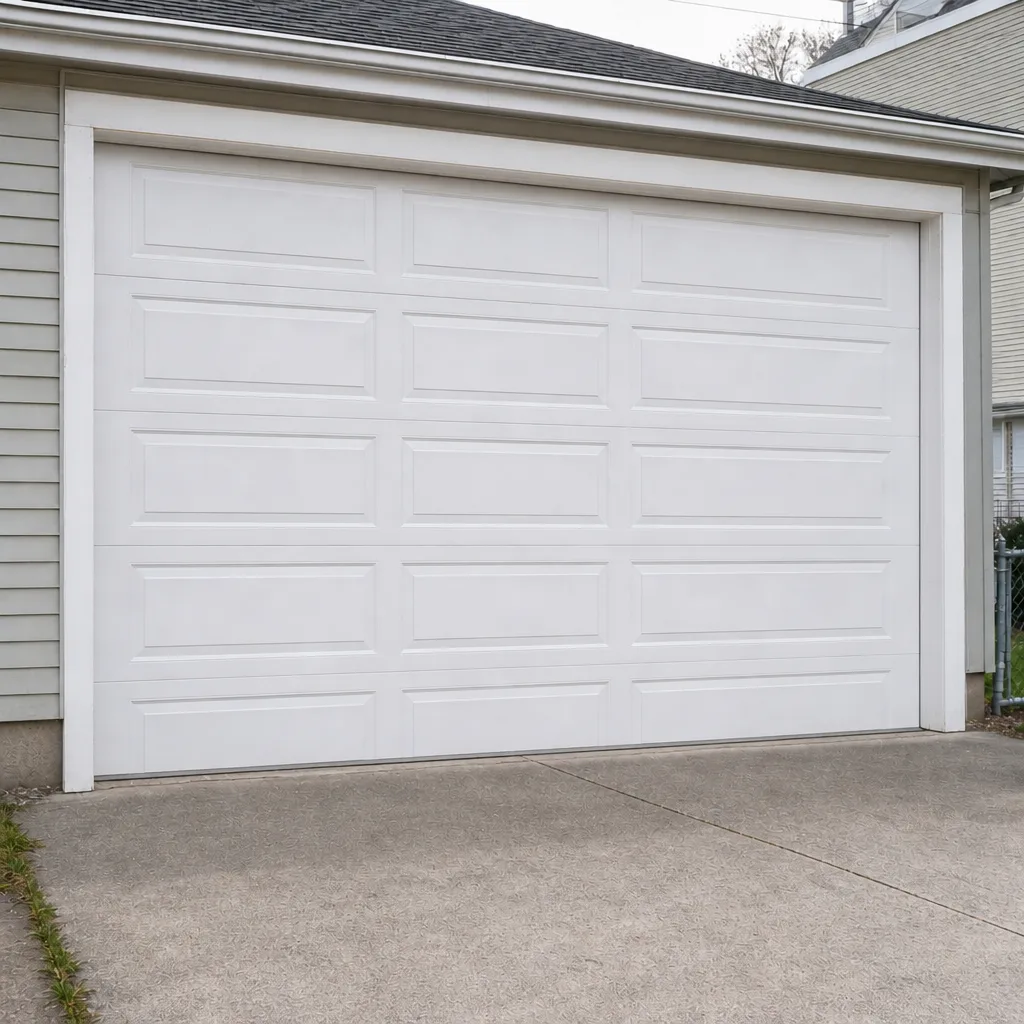
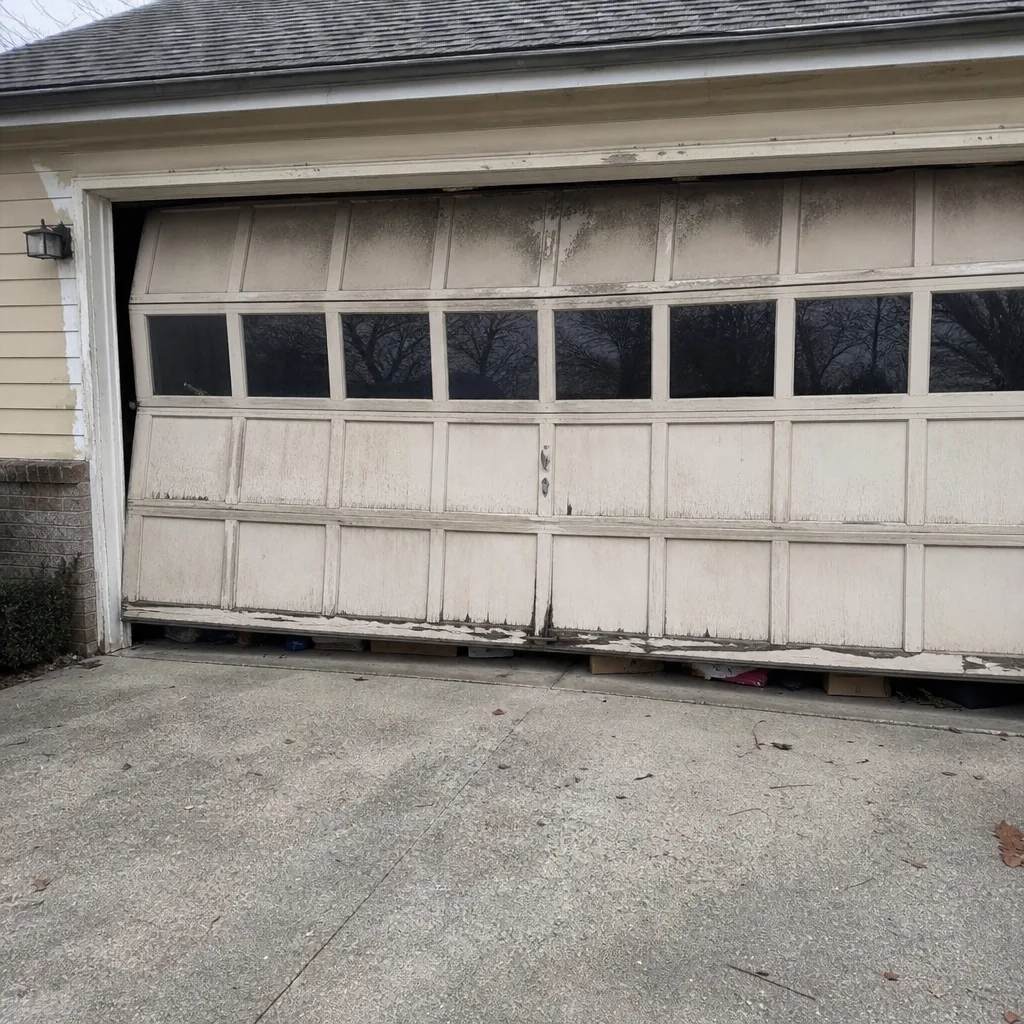
See the difference
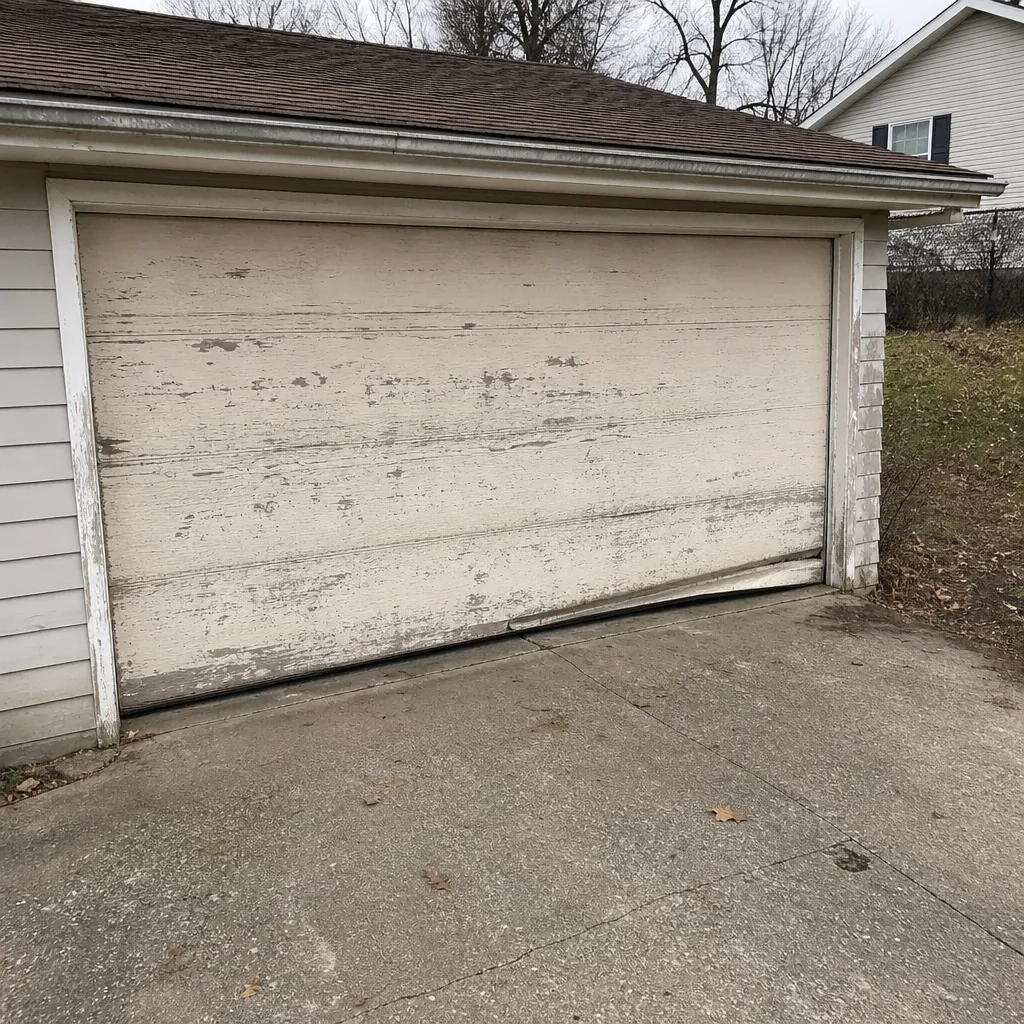 Before
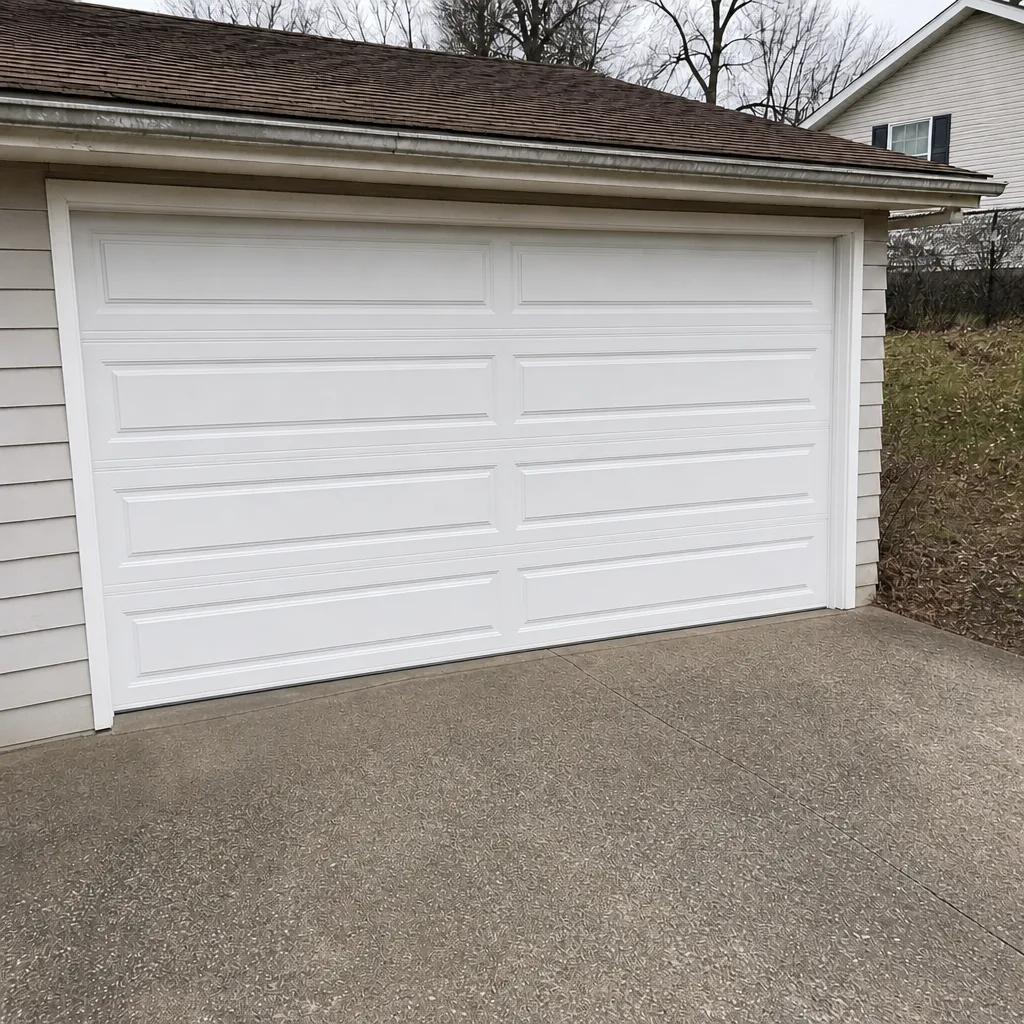 After
 Before
 After
 Before
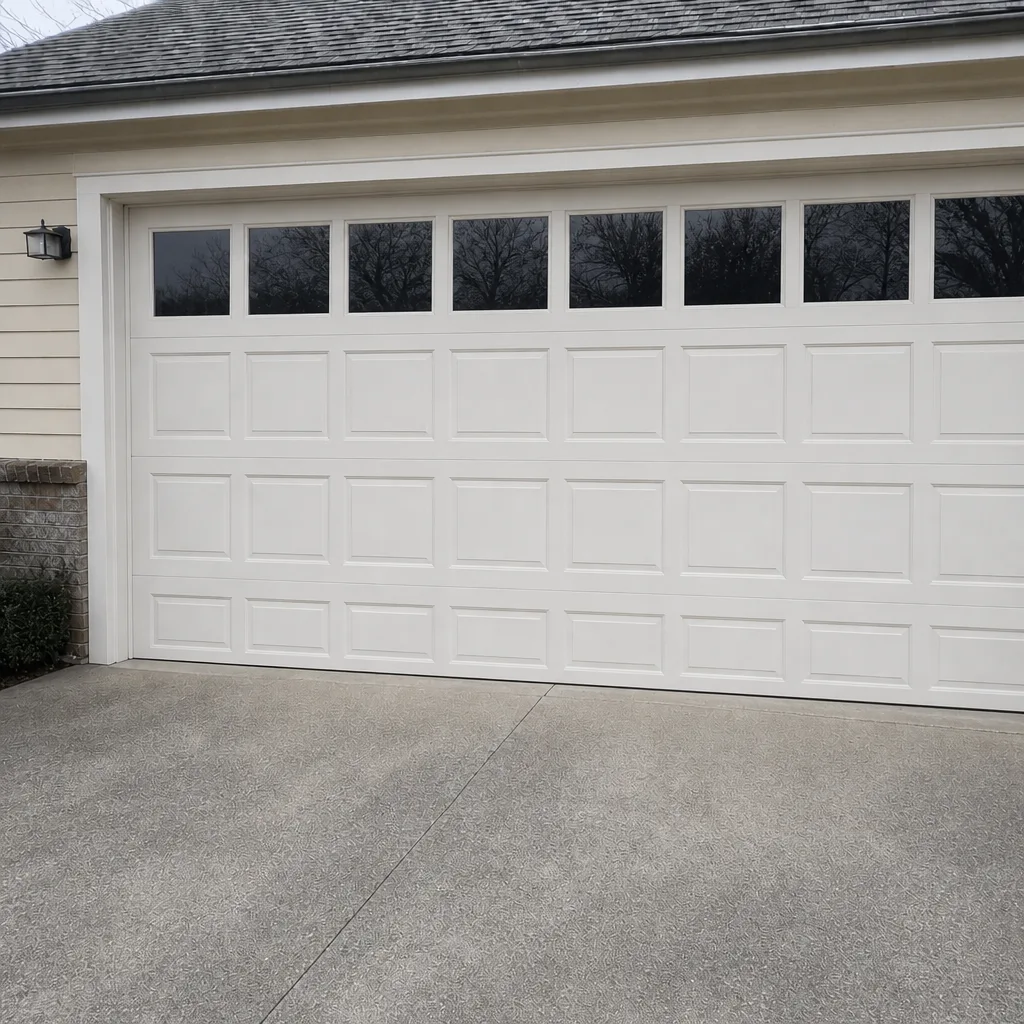 After
When to Call a Professional
Call a professional when a spring has snapped (stop using the door; the remaining spring is under dangerous tension), when the door has come off its track, when the opener runs but the door doesn’t move, when the door won’t close all the way, or when you’re ready to install a new door and want it measured, ordered, and hung correctly the first time. Spring and opener repairs are also worth a professional look rather than an attempt at home; torsion and extension springs can cause serious injury when handled without the right tools and training. Garage Door Repair Morgantown offers free estimates in Morgantown – call (844) 625-7628. We answer 24/7. Fast dispatch from 7am to 7pm, Sunday through Friday. Our technicians have up to 15 years of experience across all major garage door and opener brands.
Frequently Asked Questions
For most Morgantown homes, a steel door from Clopay or Amarr in the 24 to 25 gauge range paired with a LiftMaster or Chamberlain opener is the practical answer. These brands have the widest service coverage in the area, parts are readily available, and the steel handles our freeze-thaw cycles well. Clopay and Amarr are particularly worth comparing on warranty coverage and panel style before you commit. Call (844) 625-7628 for a free estimate on a specific model.
A new garage door in Morgantown typically runs in the range you’d expect for a mid-size residential installation – somewhere around $1,200 to $4,000 depending on size, material, and insulation. The written estimate sets the final price, and the quote you receive is the price you pay. The free estimate includes measurement, brand and model recommendation, and confirmation of opener compatibility. Call (844) 625-7628 to get a written estimate.
Less than you’d think, but more than some buyers assume. A well-maintained door from any major brand will typically last 15 to 20 years or more. Cheap doors fail early because of thin steel or poor hardware, not because of the brand name. Focus on gauge thickness, hardware quality, and local service availability rather than chasing a specific label.
Yes – both are widely serviced here, and parts for both are readily available. They’re the two most-compatible opener brands with virtually any door, and both offer smart-home integrations. If your home has an older Genie or Craftsman opener that’s still working, it’s also worth keeping; both remain serviceable. Call (844) 625-7628 for a repair or replacement quote.
Insulation helps when the garage is attached to the house and shares walls with heated rooms – it reduces heat loss through the shared wall. For a detached or unheated garage, insulation delivers little energy benefit and the money is better spent on thicker steel. Attached garages in Morgantown benefit most from R-10 to R-16 insulation. Call (844) 625-7628 for help choosing the right level for your home.
No. The price is set by the written estimate, which is why we measure on-site before quoting rather than giving a phone number and adjusting later. What you agree to in the estimate is what you pay for that scope of work; if a crew discovers something genuinely different (a rotted jamb, for example), that’s discussed and re-quoted before any work starts, never added to the invoice after. Call (844) 625-7628 for a free written estimate.
The Bottom Line
Brand shopping for a garage door in Morgantown comes down to three questions: can local technicians get parts for it, will the material survive our freeze-thaw cycles, and does the warranty actually cover what will probably fail? Answer those first, and the style decision becomes straightforward. For most homes here, the answer points to a steel door in the 24 to 27 gauge range from Clopay or Amarr, paired with a LiftMaster or Chamberlain opener, chosen after reading the warranty section by section. Match insulation to whether the garage is attached and heated, don’t overspend on a door that doesn’t fit the house, and get the perimeter sealed properly. The right brand isn’t the one with the flashiest photo; it’s the one that gets fixed the same week it breaks.
If you’re choosing between two models or want a professional opinion on what fits your garage and home, call Garage Door Repair Morgantown at (844) 625-7628 for a free estimate. We answer 24/7. Fast dispatch from 7am to 7pm, Sunday through Friday.
Written by the team at Garage Door Repair Morgantown.