
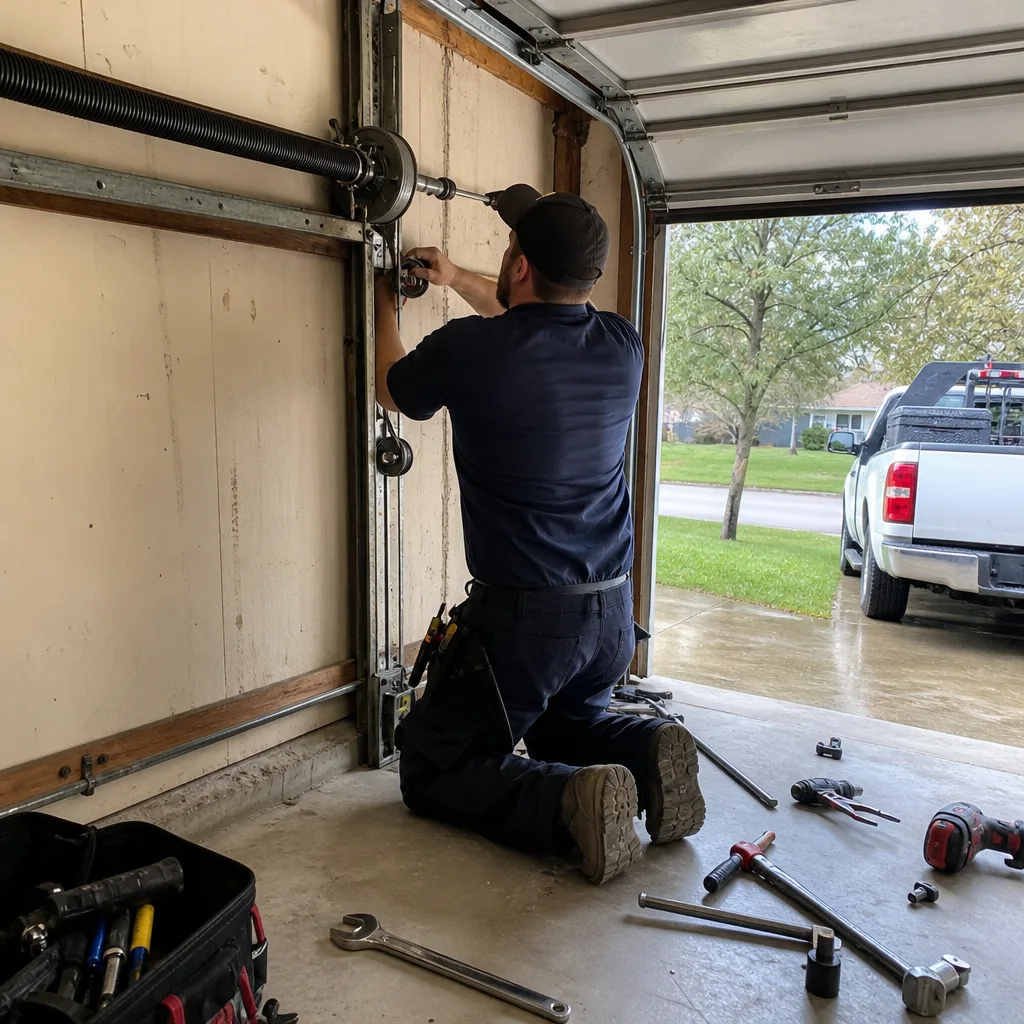
Last updated November 23, 2026
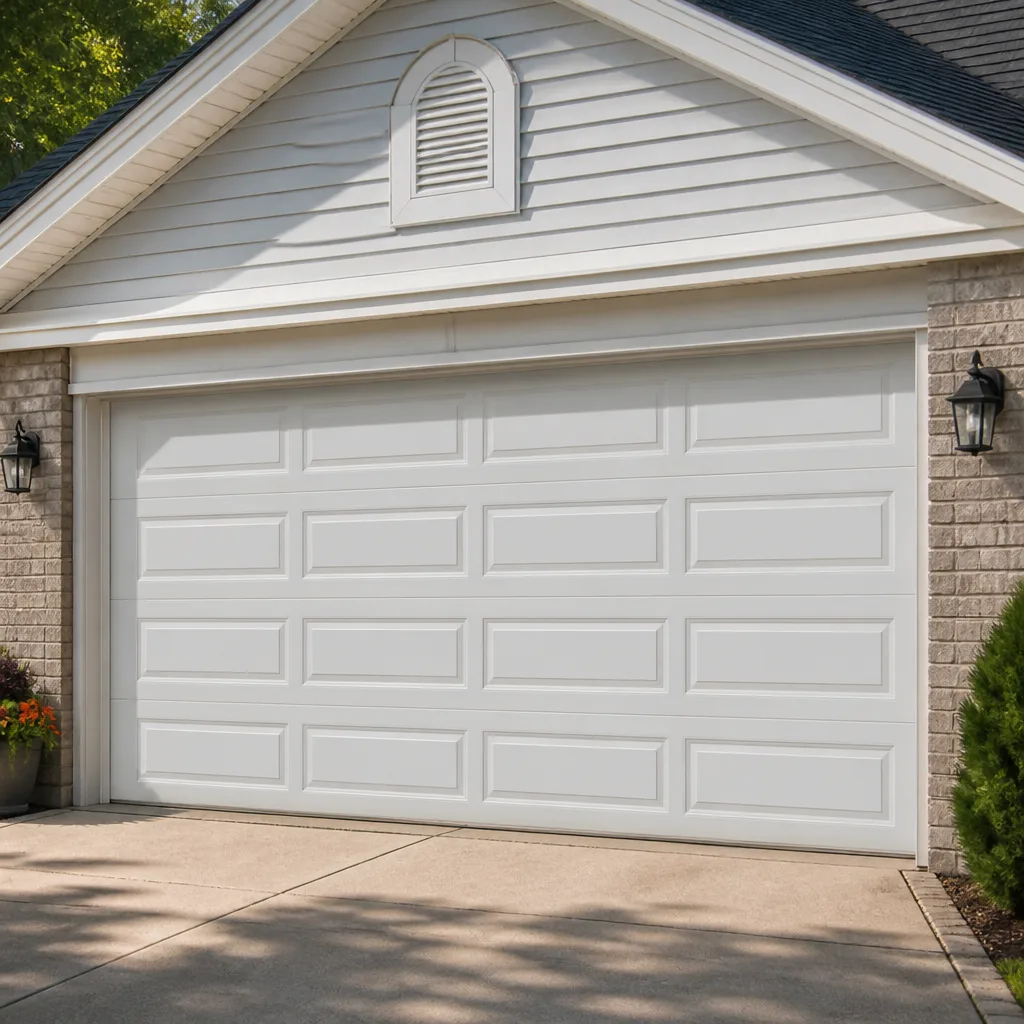 Raised-panel steel
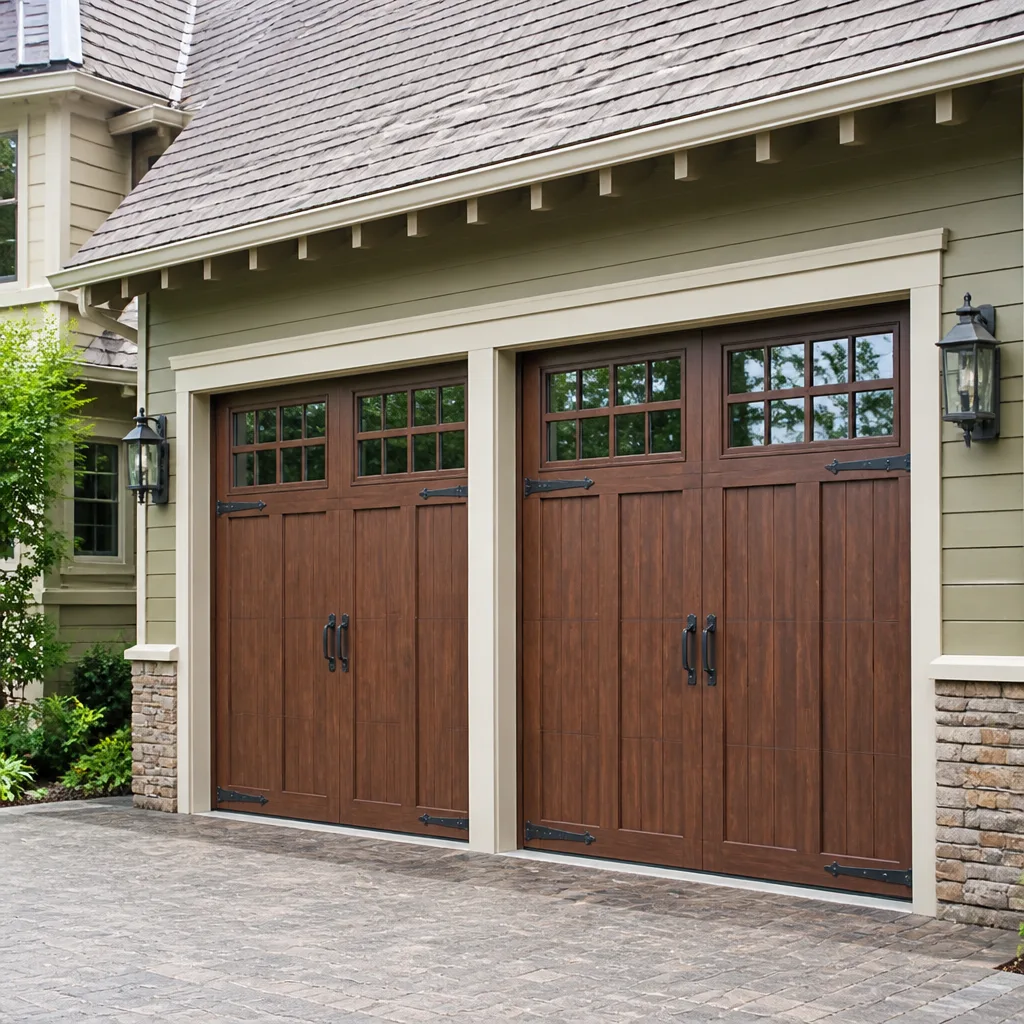 Carriage house
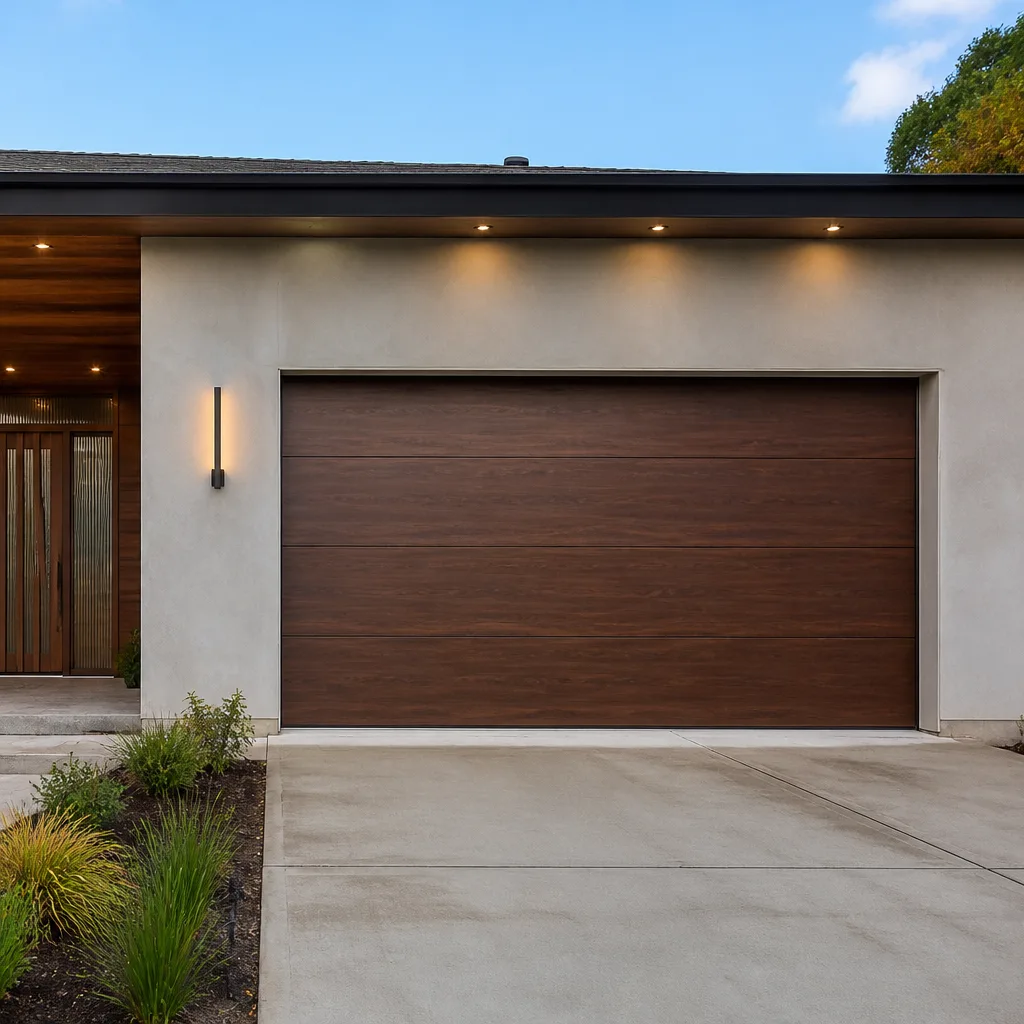 Modern flush
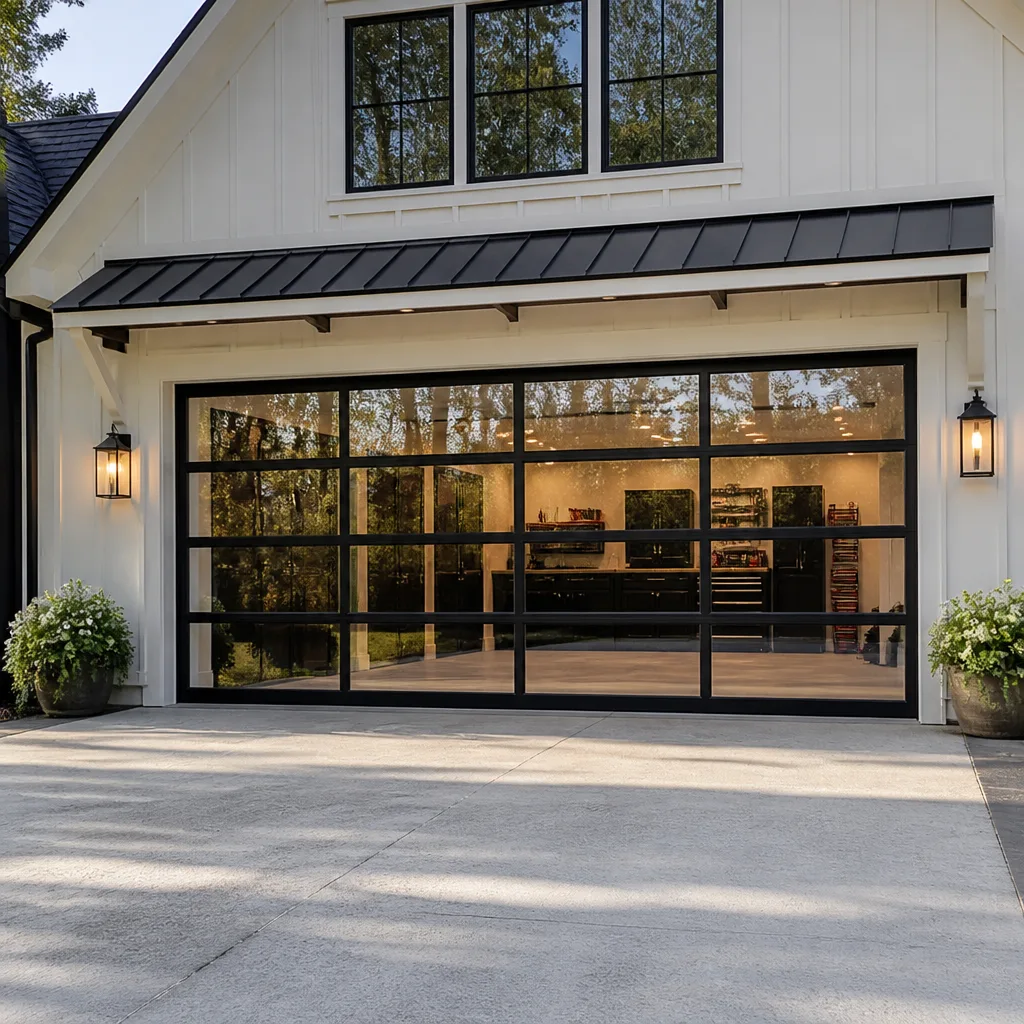 Full-view glass
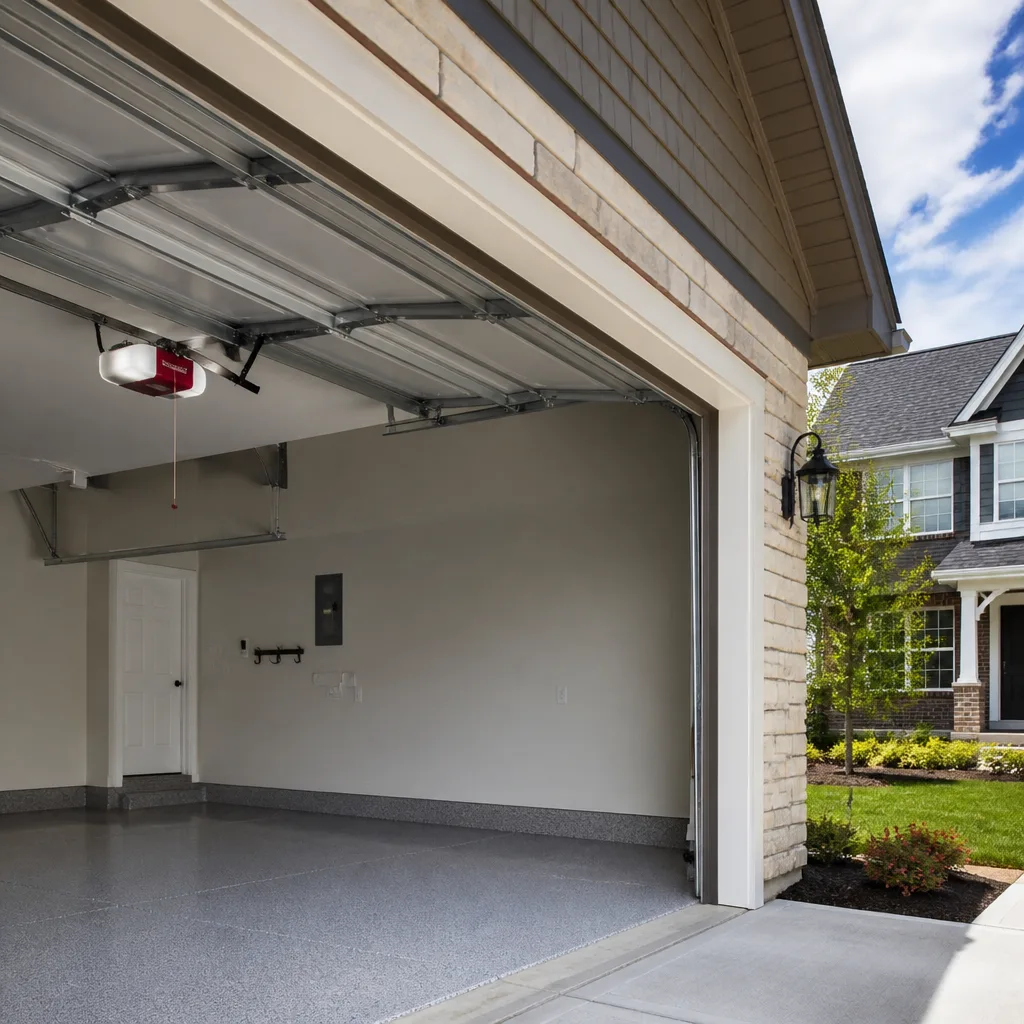 LiftMaster openers
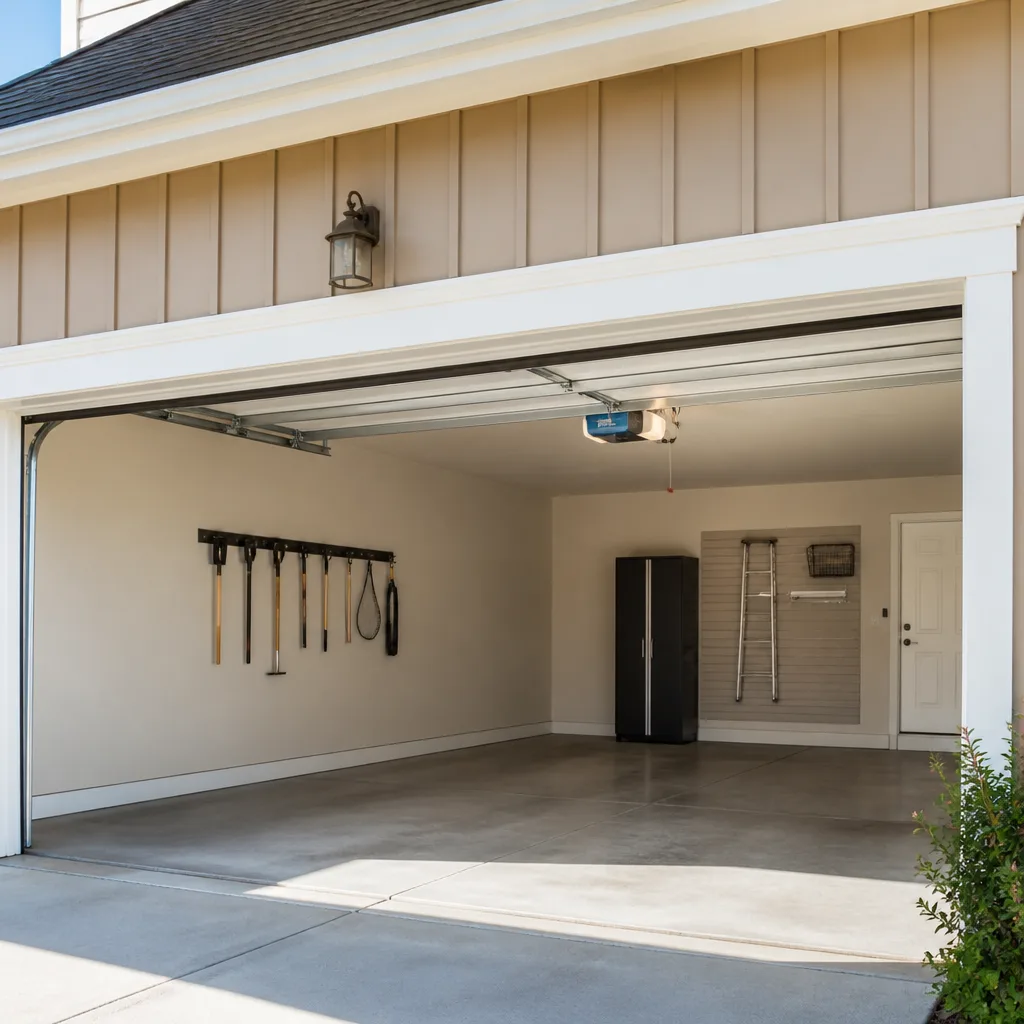 Chamberlain openers
Full 25-point door and opener safety check with every visit - springs, cables, rollers, tracks, and your LiftMaster or Chamberlain opener included
You get a price before we start. It does not change when the pro arrives.
Get your free estimateSeasonal Garage Door Care for Morgantown: Year-Round Homeowner’s Guide
Most homeowners think a broken spring is the worst thing winter can do to a garage door. In Morgantown, it usually isn’t. The more common failure starts quieter: a door freezes to its bottom seal overnight, the homeowner forces it up manually the next morning, and that resistance is what finally snaps the spring. The door was fine. The seal was not. What follows is a season-by-season walkthrough of what actually stresses a garage door here, what to check and when, and the small habits that prevent the expensive calls. You’ll get a month-by-month calendar built around Morgantown’s real temperature swings, not a generic climate chart.
Quick Answer
Seasonal garage door care in Morgantown means matching maintenance to four genuinely different seasons: prepping the bottom seal and lubricating moving parts before hard freezes, checking hardware and track alignment after the last frost, watching wood panels through the humid summer, and clearing leaf debris and testing safety sensors before the first freeze returns. A single annual tune-up misses three of those four stress points. The tasks themselves are simple; the timing is what most homeowners get wrong.
Styles & brands we work with
- Raised-panel steel
- Carriage house
- Modern flush
- Full-view glass
- LiftMaster openers
- Chamberlain openers
Table of Contents
- Why Morgantown’s Four Seasons Stress a Garage Door Differently
- Winter: Preventing the Door-to-Floor Freeze
- Spring: The Freeze-Thaw Check After the Last Frost
- Summer: Humidity, Wood Panels, and Material Choices
- Fall: Leaf Debris, Seals, and Sensor Alignment
- The Morgantown Month-by-Month Task Calendar
- What Brand Fluency Means for Seasonal Service
- Common Mistakes to Avoid
- When to Call a Professional
Why Morgantown’s Four Seasons Stress a Garage Door Differently
A garage door is a mechanical system made of steel, wood, rubber and springs, and every one of those materials responds to temperature and moisture differently. In a place with mild, stable weather, a door mostly wears from use. In Morgantown, it wears from weather first and use second.
Consider what a single year does here. Winter brings hard freezes, and freeze means contraction: steel tracks narrow slightly, seals stiffen, and any moisture trapped between the door and the floor becomes ice. Spring arrives with a freeze-thaw cycle that works on fasteners the way frost heave works on pavement, loosening what was tight in October. Summer brings humidity that wood panels absorb and release, and fall brings wind-driven leaf debris that packs into tracks and against bottom seals right before temperatures drop again.
Each season attacks a different part of the system:
- Winter targets the bottom seal, the spring, and any opener asked to lift a door that’s stuck to the floor.
- Spring targets fasteners, hinges, and track alignment as the ground and the structure move.
- Summer targets wood panels, paint films, and the rollers and hinges that humidity makes stiff.
- Fall targets the bottom seal and the safety sensors, both of which collect debris exactly when the door needs to seal tight.
That’s why a one-size schedule fails here. A spring tune-up in Morgantown catches the post-winter problems but does nothing for the freeze prep that should have happened in November. The fix is to spread a handful of small tasks across the year so each season’s stress gets addressed before it becomes damage. The calendar further down maps exactly that.
Winter: Preventing the Door-to-Floor Freeze
The most common winter garage door failure in Morgantown isn’t a broken spring on its own. It’s a door frozen to the floor seal, forced open manually, and the spring taking the load it was never meant to absorb. Preventing the freeze is far easier than repairing what forcing the door causes.
Why the door freezes down
Meltwater from a car runs to the door line and refreezes overnight against the bottom seal. If the seal is cracked, flattened or the wrong material for cold weather, it bonds to the concrete. A vinyl or hard rubber seal stiffens in the cold and grips harder. A soft, cold-rated seal flexes instead of bonding, which is the single most effective upgrade for a Morgantown winter.
The pre-freeze prep routine
Run this before the first hard freeze of the season, ideally in late October or early November:
- Clean the floor line where the door meets concrete. Dirt and grit give ice something to grip.
- Inspect the bottom seal along its full length. Replace any section that’s cracked, torn or flattened to a hard edge.
- Apply a thin coat of silicone-based lubricant to the seal surface, never a petroleum product that degrades rubber.
- Lubricate hinges, rollers and the spring, then cycle the door twice to distribute it.
- Test the opener’s force setting so it stops rather than strains if the door does stick.
- Clear snow and ice from the apron in front of the door after every storm so meltwater drains away instead of pooling at the seal.
What to do if the door is already frozen
Don’t force it. Release the opener, then work warm air or a safe de-icing method around the seal from the outside until the door lifts freely by hand. If it still won’t move, stop and call. A stubborn door that won’t release is often a sign the seal has bonded hard or the spring is already compromised, and garage door spring repair is a job for trained hands, not a pry bar. Torsion and extension springs store enormous energy, and a spring under load can cause serious injury if handled wrong. When a spring lets go in the cold, our Garage Door Repair Morgantown team treats it as the safety job it is.
Spring: The Freeze-Thaw Check After the Last Frost
Once the last frost passes, Morgantown’s ground and structures go through weeks of daily thaw and nightly refreeze. That cycle moves things, and a garage door notices. Fasteners that were snug in fall work loose, and track alignment shifts as the frame and floor settle at slightly different rates. The post-frost check catches this before it turns into a door that binds, scrapes or drifts off its line.
The after-frost inspection
Run this once the ground has stopped freezing overnight:
- Look down each vertical track from the inside. The gap between track and door should be even top to bottom; a taper means the track has shifted.
- Check every hinge, bracket and lag bolt for looseness. Snug bolts carefully; overtightening strips the mounting and is worse than loose.
- Lift the door halfway by hand with the opener released. It should hold in place with little effort. If it drops or rises on its own, the spring tension is off.
- Roll the door slowly and listen. Grinding, popping or a rhythmic squeak points to a worn roller or a misaligned track.
- Test the auto-reverse by placing a solid object in the door’s path. The door should reverse on contact.
- Wipe the tracks clean of grit and check the weatherstripping on the sides and top for cracking.
What the freeze-thaw check catches
Most spring-season calls we handle trace back to one of three things: a loose hinge that has started to bind, a track knocked slightly out of plumb, or a spring that was already weakened by winter and finally gave out in the first warm week. The last one is the reason spring is a busy month for garage door repair. Catching a loosening bolt in April is far cheaper than catching a snapped spring in May, and it’s the difference between a tightening task and a replacement.
Don’t adjust torsion springs yourself. The tension held in a wound spring is dangerous even to experienced hands, and the correct fix is a trained technician’s job. If the halfway-lift test fails or you hear a bang from the garage, stop using the door and have it looked at.
Summer: Humidity, Wood Panels, and Material Choices
Morgantown summers bring humid air that wood garage doors absorb and release with the weather. A solid wood panel can swell enough in a wet stretch to bind in its frame, then shrink in a dry week and leave gaps at the joints. The door isn’t failing; it’s breathing. But over several humid seasons, that movement shows up as warped panels, cracked paint and joints that let moisture deeper into the wood.
What to look for on a wood door
- Swelling at panel edges where the door binds or rubs against the frame in humid weather.
- Cracked or peeling paint, especially along the bottom edge and around panel joints where moisture collects.
- Gray or dark patches that suggest moisture has worked under the finish.
- Gaps at joints that open in dry weeks and close in humid ones.
The fix for wood is maintenance: keep the finish intact, touch up any crack before water gets behind it, and reseal on a schedule the door’s condition dictates rather than a fixed calendar. Humidity control inside the garage helps too. If the wood door keeps moving and the finish keeps failing, it’s worth asking whether the material is right for the climate.
Steel and composite as humid-climate alternatives
Steel doors resist humidity well, though the finish matters: moisture that gets behind chipped paint on a steel panel starts rust at the chip. Inspect and touch up chips promptly. Composite doors are made to hold their shape through moisture swings without swelling, which makes them a common choice for homeowners tired of managing a wood door through Morgantown summers. Wayne Dalton and Amarr both build doors in these materials, and we work with both, so we can talk through the tradeoffs on your actual opening rather than a catalog page.
Summer mechanical checks
Heat and humidity also stiffen rollers and hinges, and a door that ran smooth in spring can start to drag by August. A light lubrication pass and a check of the opener’s chain or belt tension keeps summer from adding strain. If the opener is a Wi-Fi-integrated model like a LiftMaster or Chamberlain myQ system, summer is a good time to confirm the app monitoring and alerts are still working, so a door left open gets caught before it’s a problem. Our garage door opener repair covers both modern smart openers and older Craftsman and Genie units.
Fall: Leaf Debris, Seals, and Sensor Alignment
Fall is the season that sets up winter, and in Morgantown it’s also the season of leaf debris. Wind-driven leaves pack into the tracks along the floor and against the bottom seal, and a seal that can’t sit flat can’t keep out cold air, water or the freeze that follows. Getting the door sealed and aligned before the first hard freeze is the difference between a manageable winter and a frozen one.
The pre-winter seal and sensor routine
- Clear leaves and grit from both vertical tracks and the floor line. A vacuum or a stiff brush works; never use a sharp tool inside the track.
- Inspect the bottom seal for compression, cracking or gaps where it meets the floor, and plan any replacement before temperatures drop.
- Wipe the safety sensors clean at the bottom of each side track. Leaf dust and cobwebs are the most common cause of a door that won’t close in fall.
- Check sensor alignment: the indicator lights on both units should be steady, not flickering. A door that reverses for no visible reason usually has a misaligned or dirty sensor.
- Re-lubricate hinges, rollers and the spring before the cold stiffens them.
- Look for daylight under the closed door. A visible strip of light means the seal needs adjustment or replacement.
Temperature swings and the seal
Fall’s warm days and cold nights flex the seal material repeatedly, and a seal that’s already aged will crack along the fold. That’s why seal inspection belongs in fall rather than winter: you want a new seal in place before the freeze, not after the door has already frozen down once. If the door’s weatherstripping is worn and the frame is showing gaps, address both at the same time so the door seals as a system.
Fall is also the right window to plan a replacement before winter if the door is at the end of its life. A new door is measured and ordered before installation, so it’s scheduled work rather than same-day work. We can give you a free measure and a written price for a Wayne Dalton or Raynor replacement, and you’ll go into winter with a door that seals properly from day one.
The Morgantown Month-by-Month Task Calendar
Generic maintenance charts are built around climate zones and average conditions. Morgantown’s actual pattern is more useful to work from: cold winters with hard freezes, a freeze-thaw spring, humid summers, and a fall that swings between warm days and cold nights. Here’s a calendar built around that rhythm and the tasks that matter here.
Winter months (December through February)
- Clear snow and ice from the door apron after each storm so meltwater drains away from the seal.
- Check the bottom seal weekly for ice bonding, and clear it gently before opening.
- Never force a frozen door; warm the seal free or call.
- Test the opener’s auto-reverse monthly; cold can affect how the door behaves under load.
Early spring (March and April)
- Run the full after-frost inspection once overnight freezing stops.
- Tighten loose hinges and brackets, and check track plumb on both sides.
- Test spring balance with the door halfway up by hand.
- Clear winter grit from tracks and wipe them clean.
Late spring (May)
- Full lubrication pass on hinges, rollers and the spring.
- Check and replace any weatherstripping cracked by winter.
- Schedule any spring or opener repairs the balance test flagged.
Summer (June through August)
- Inspect wood panels for swelling, cracking paint and joint gaps.
- Touch up chipped paint on steel panels before moisture gets behind it.
- Check roller and hinge movement; lubricate if the door drags in humid weather.
- Confirm smart opener monitoring and alerts are working.
Early fall (September and October)
- Clear leaf debris from tracks and against the bottom seal regularly.
- Clean and test the safety sensors; check for steady indicator lights.
- Inspect the bottom seal for compression and plan replacement before the freeze.
- Look for daylight under the closed door and fix any gaps.
Pre-freeze (November)
- Replace a worn bottom seal with a cold-rated material.
- Lubricate the seal surface with silicone and run the full pre-freeze prep routine.
- Test the opener’s force setting so it stops rather than strains if the door sticks.
- Clear the apron and confirm drainage runs away from the door.
What Brand Fluency Means for Seasonal Service
Seasonal care is mostly about the door, but the opener and hardware are part of the system, and they behave differently by brand and by age. A Craftsman opener from an older home and a modern Chamberlain myQ unit don’t need the same checks, and a door built by Raynor or Amarr has its own panel, seal and hardware details. When a seasonal inspection turns up something that needs parts or repair, brand fluency is what keeps the fix from turning into a return visit.
We work on eight of the most widely installed garage door and opener brands, including LiftMaster, Chamberlain, Genie, Clopay, Amarr, Wayne Dalton, Craftsman and Raynor. That covers the vast majority of residential systems in use, old and new. In practice it means a technician arrives knowing the system rather than learning it at your door. Our technicians have up to 15 years of experience across those brands, in both legacy openers and Wi-Fi-integrated models, so the seasonal check can turn straight into the fix when something’s found.
It also matters for planning. If a fall inspection shows the door is at the end of its life, we can talk through a replacement in a brand and material that suits the climate. Spring or fall is the right time to plan installation, because new doors are measured, ordered and scheduled, and doing it before the weather turns beats doing it mid-season. When a door fails despite the best schedule, emergency garage door service is a core part of what we do, so a car locked in or a home left unsecured gets handled as the urgent job it is.
Common Mistakes to Avoid
- Forcing a frozen door open. Ice bonds the seal to the concrete, and the resistance a forced door puts on a cold spring is the single most common way springs fail in Morgantown winters. Warm the seal free instead.
- Running a spring tune-up in spring and calling it done. The pre-freeze prep in November prevents the freeze that spring repair would otherwise fix. Skipping fall undoes the point of the calendar.
- Ignoring the bottom seal until it freezes. A cracked or flattened seal is the root cause of most frozen doors. Inspecting it in fall is cheap; replacing it after a freeze is not.
- Using petroleum-based lubricant on rubber seals. It degrades the material and makes the seal grip harder in cold. Use a silicone-based product on seals.
- Adjusting torsion springs yourself. The stored energy can cause serious injury even to experienced hands. Leave spring work to a trained technician.
- Letting leaf debris sit in the tracks through fall. Packed leaves and grit stop the door sealing flat and throw off sensor alignment right before the weather you most need a tight door for.
- Testing safety sensors only when the door misbehaves. A dirty or misaligned sensor is the most common reason a door won’t close in fall. Clean and test them as part of the seasonal routine, not after a failure.
When to Call a Professional
Most of this guide is deliberately something a homeowner can do. Some of it isn’t, and it’s worth being clear about where the line sits. Call a professional if the door won’t lift freely by hand, if the halfway test shows the spring isn’t holding balance, if you hear a bang from the garage or see a gap in the spring coil, or if the door is stuck frozen and won’t release gently. Any track that’s visibly out of plumb, any bracket pulled loose from the frame, and any opener that reverses or stops for no clear reason are also calls, not DIY jobs. Springs, cables and torsion hardware are genuinely dangerous under load; a trained technician should handle them.
Garage Door Repair Morgantown offers free estimates in Morgantown. Call (844) 625-7628. We answer 24/7. Fast dispatch from 7am to 7pm, Sunday through Friday. We’ll quote the job and agree the price with you before any work starts, and the written estimate is what sets the final price.
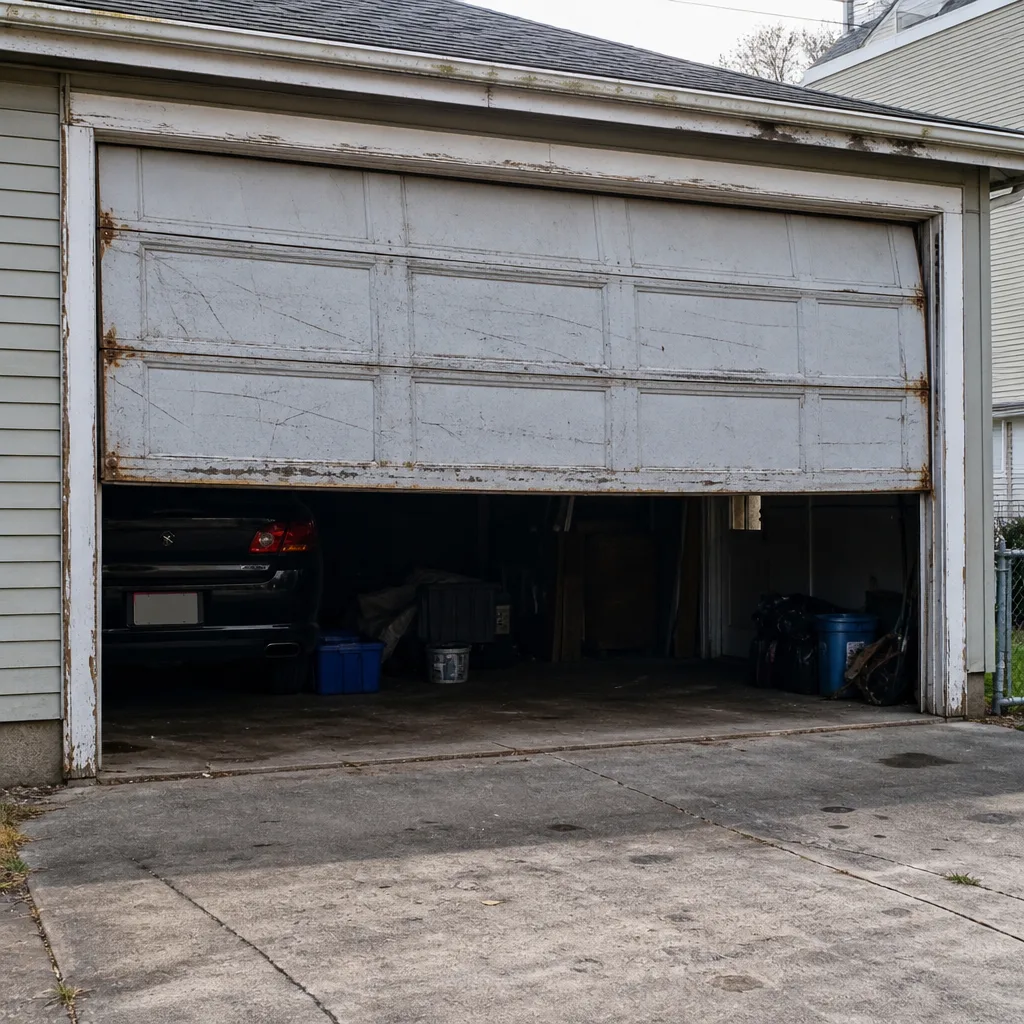
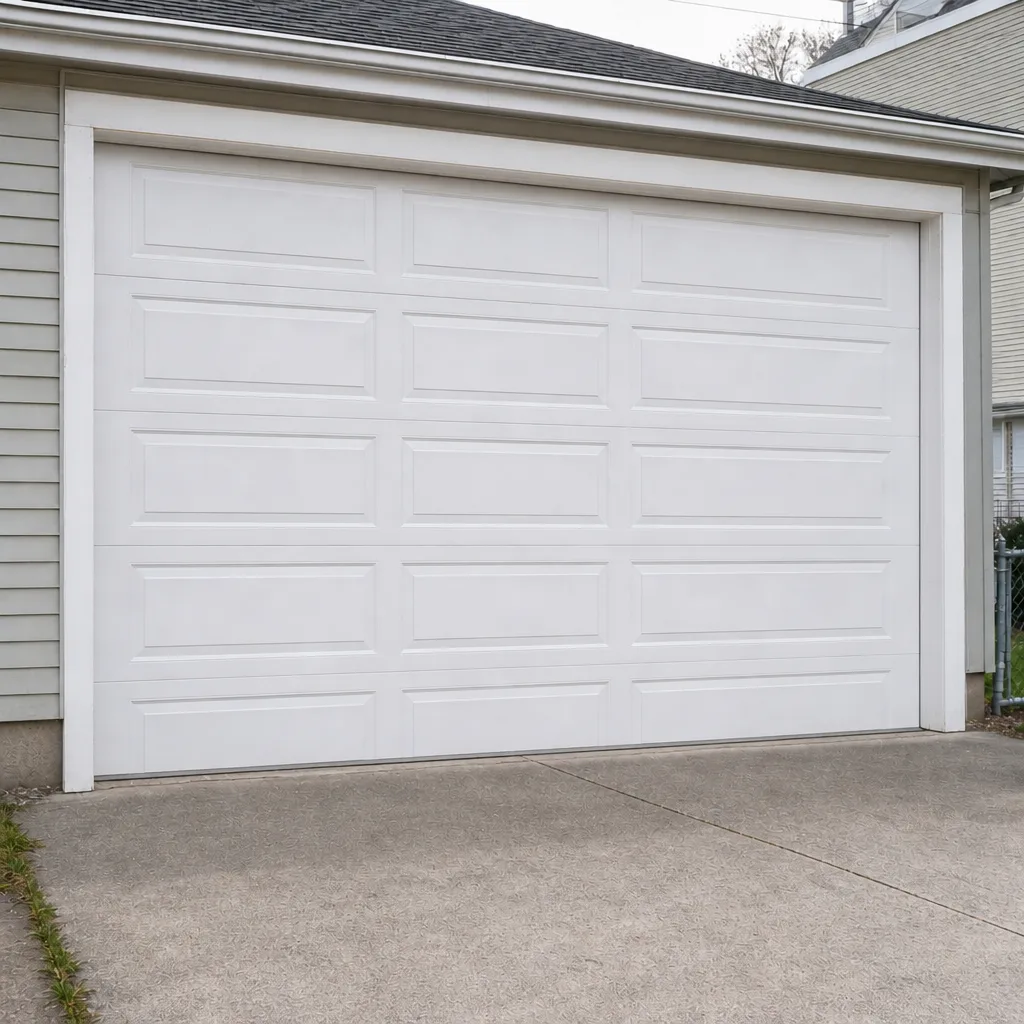
See the difference
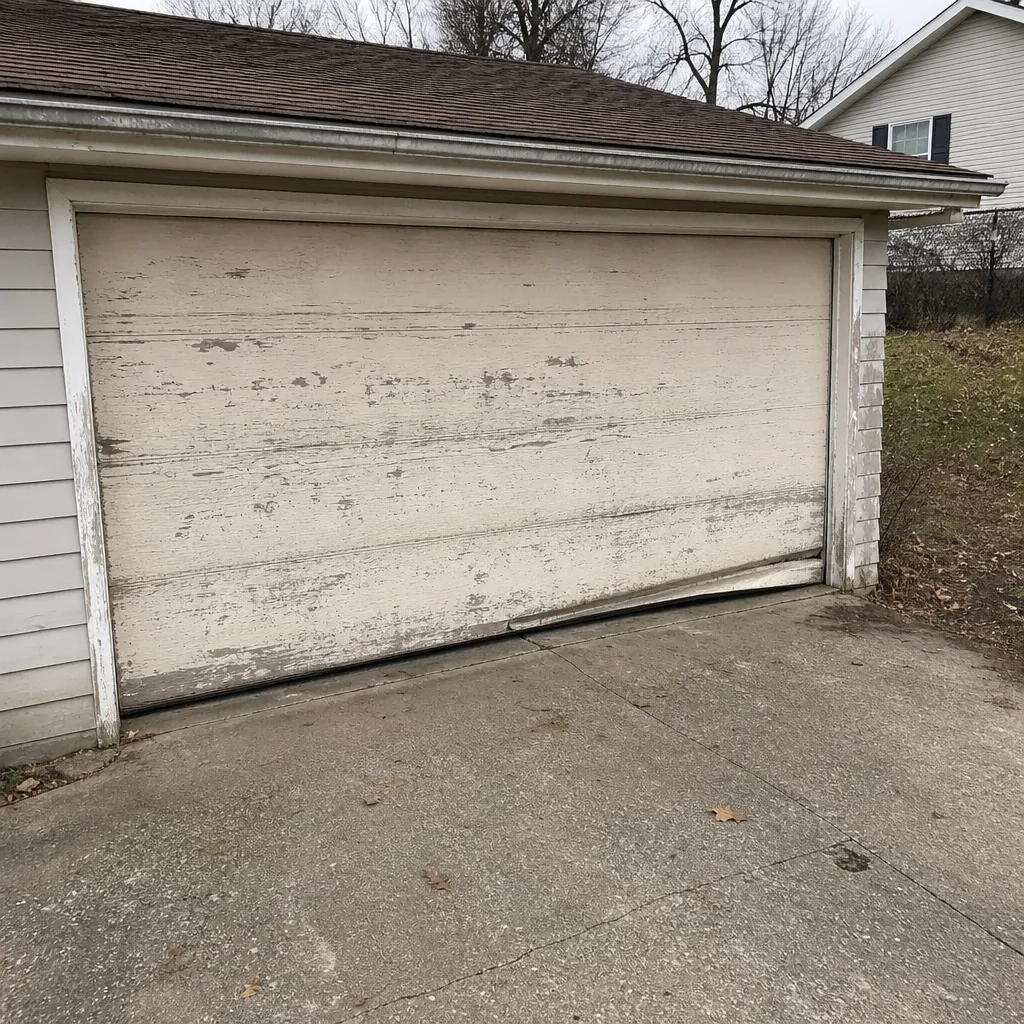 Before
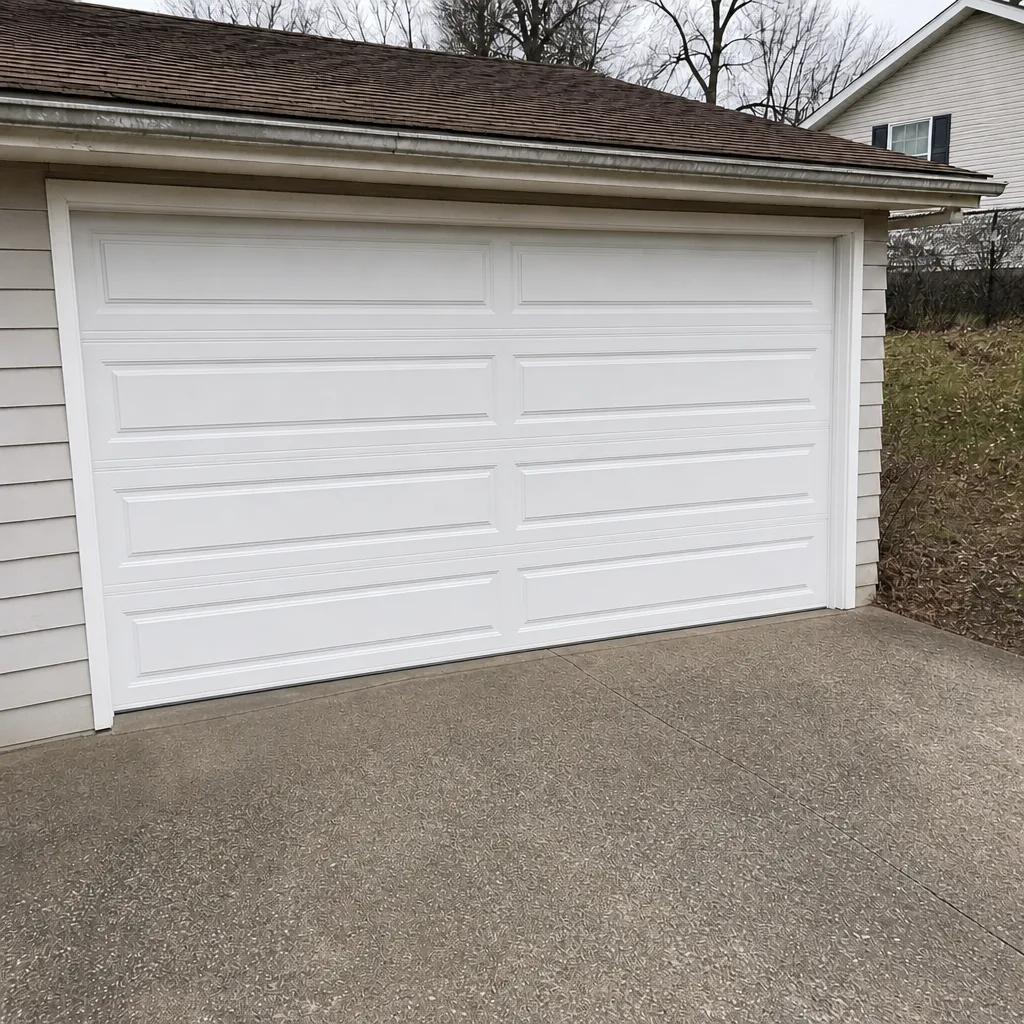 After
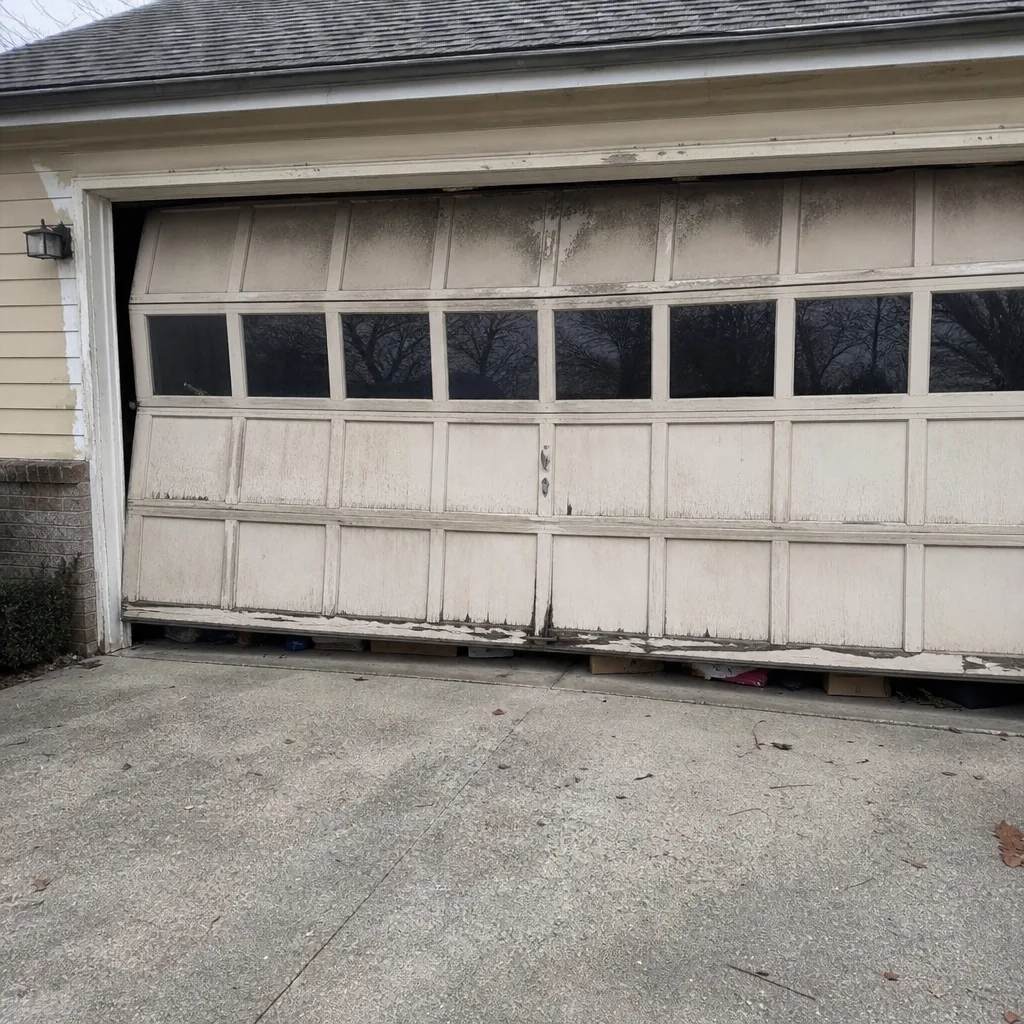
 Before
 After
 Before
 After
Frequently Asked Questions
There’s no fixed price for seasonal care, because most of it is work you can do yourself at little or no cost, and any repair a check turns up is quoted per job. A bottom seal replacement, a lubrication pass and an alignment check are each priced individually based on the door and what’s needed. The written estimate sets the final price and is agreed before any work starts. Call (844) 625-7628 for an exact quote; estimates are free.
Yes, same-day service is available. Emergency garage door service is a core part of what we do, and a frozen door or a snap in cold weather is exactly the kind of call we’re set up for. We answer 24/7, with fast dispatch from 7am to 7pm. If you call outside dispatch hours, your call is booked into the next opening, Sunday through Friday. Call (844) 625-7628 and we’ll get you on the schedule.
No. The written estimate sets the final price, and it’s agreed before any work starts. We inspect the door, explain what’s needed and quote it, and that quote is what you pay. Nothing is added on after the fact. Call (844) 625-7628 to book a free estimate.
Yes. The local professional who comes to your door is licensed and insured as the state requires, and our technicians have up to 15 years of experience across the major brands. If you want to confirm the details before booking, ask when you call and we’ll walk you through it. Call (844) 625-7628 to schedule.
Often, yes. When a door is frozen to the floor and forced up, the spring has to absorb resistance it wasn’t designed for, and a cold spring is more brittle than a warm one. Preventing the freeze with a cold-rated seal and a pre-freeze routine removes the most common cause. If the door is already stuck, don’t force it; call for help.
Not necessarily. A wood door that’s maintained and finished properly can handle the humidity swings; the issue is the upkeep, which never really ends. If the panels keep swelling and the finish keeps failing, steel or composite is worth discussing, and we work with both Wayne Dalton and Amarr doors. Call (844) 625-7628 for a free measure and written price if you’re considering a replacement.
The Bottom Line
Morgantown’s four distinct seasons each stress a different part of a garage door, and the seasonal care that actually works here is built around that fact: prepare the seal before hard freezes, check hardware and track alignment after the last frost, watch wood panels through humid summers, and clear leaf debris and test sensors before winter returns. The individual tasks are small. The timing is what saves money, because a frozen seal or a loose hinge caught early is a maintenance job, not a repair. Use the month-by-month calendar as your schedule, and treat spring, cables and torsion hardware as professional work. A little attention spread across the year keeps the door sealing, lifting and reversing the way it should.
If a check turns up something you’d rather not handle, Garage Door Repair Morgantown can help. We handle repair, opener service, spring repair and installation across eight major brands, and we treat emergency calls as a core part of the job. Call (844) 625-7628 for a free estimate. We answer 24/7, with fast dispatch from 7am to 7pm, Sunday through Friday. The price is quoted and agreed before any work starts.
Written by the team at Garage Door Repair Morgantown.